
How To
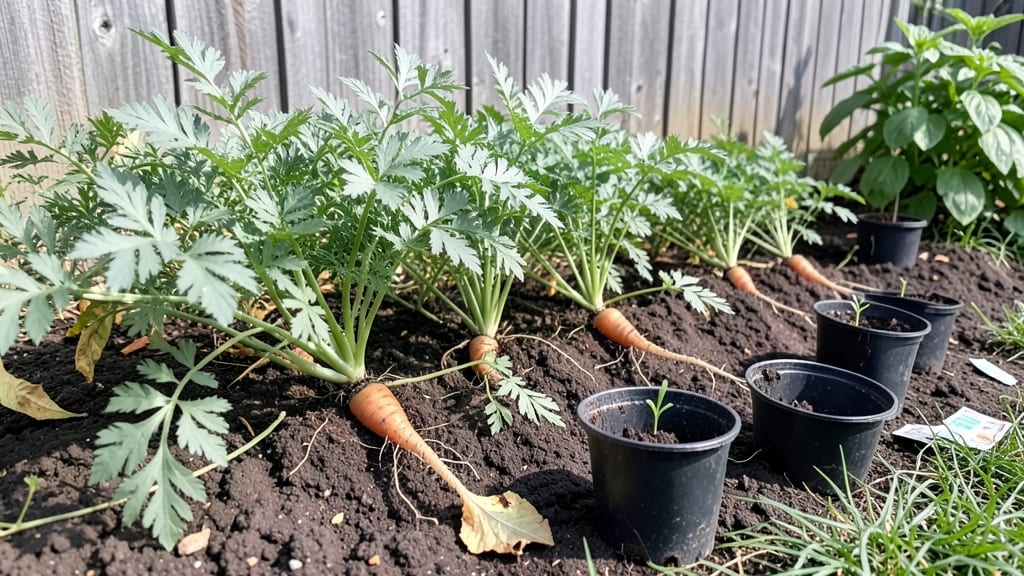
A carrot planting calendar 🥕 is your secret weapon for turning garden soil into a treasure trove of sweet, crisp roots—if you nail the timing. Miss the window by even a few weeks, and you’re left with stunted, forked, or bitter harvests (trust me, I’ve been there).
Want to grow sweet, crisp carrots straight from your garden? Timing is everything—plant too early or too late, and you’ll end up with bitter roots or wasted effort. The difference between a perfect harvest and a disappointing one often comes down to knowing when to sow, thin, and pull.
In Zone 6a, where I live, spring planting starts in March and runs through May, while fall offers a second chance from August to September. But your exact schedule depends on frost dates, soil temps, and even the variety you’re growing—short-season types need an earlier start than heirlooms.
Below, I’ll break down the month-by-month steps for your climate, from soil prep to harvest, plus how to stretch your season with smart replanting. No more guesswork—just crisp, homegrown carrots all season long.
Best months to plant carrots by USDA climate Zone
Carrots thrive when planted at the right time, but the perfect months depend entirely on your USDA climate zone. In Zone 3, where winters are brutal, you’ll focus on short spring windows, while Zone 10 gardeners enjoy year-round planting.
The key? Avoid hot summer soil (above 85°F) and late frosts that stunt growth. Let’s break it down by zone to maximize your sweet, crisp harvest.
Most gardeners plant carrots in spring and fall, but the exact timing shifts with your zone. For example, Zone 5 gardeners might start in March for spring harvests, while Zone 8 can extend planting into October for winter storage.
Soil temperature is critical—carrot seeds need 50–85°F to germinate. Use a soil thermometer to check before planting, especially in cooler zones like Zone 4.
Here’s your zone-by-zone carrot planting calendar, including ideal months, frost considerations, and soil prep tips to avoid common pitfalls like forked roots or bolting. Whether you’re in Alaska’s Zone 3 or Florida’s Zone 10, this guide ensures you plant at the perfect time for your region.
🌱
In Zones 3–4, where winters are harsh, focus on early spring (April–May) and late summer (August) plantings. Use row covers to extend your season if frost threatens. For Zones 5–6, you can start as early as March and replant in July for a fall harvest.
Always aim to harvest before the first hard frost, or your carrots will spoil in the ground.
For Zones
How to extend your carrot harvest with successive plantings
If you’ve ever planted carrots and ended up with a glut of harvests all at once, you know the struggle. Successive plantings are the secret to continuous carrot production, ensuring fresh, crisp roots from early summer through fall—and even into winter with the right strategies.
The key lies in staggered sowing, proper spacing, and smart companion planting to keep pests at bay.
Start by planning your planting schedule in 2- to 3-week intervals. This method prevents overcrowding and ensures a steady supply of carrots for your table. For example, if your first planting goes in early April, follow up with a second in mid-May and a third in late June.
Adjust these timings based on your USDA zone and local frost dates to avoid bolting or frost damage.
- 🌱 Early Spring (Zone 5-8): Plant March 15-April 1 for summer harvests (60-70 days to maturity).
- 🌿 Mid-Spring (Zone 3-10): Sow April 15-May 1 for early fall harvests (avoid bolting in heat).
- ☀️ Late Summer (All Zones): Plant July 15-August 1 for fall/winter harvests (choose cold-hardy varieties).
- 🍂 Fall (Zone 4-9): Sow September 1-October 1 under row covers for winter storage.
- ⏰ Spacing Rule: Maintain 2-3 inches apart in rows 12-18 inches apart to prevent competition.
When replanting, choose companion plants like leeks, rosemary, or chives to deter carrot flies and improve flavor. Avoid planting near dill or parsley, as they attract pests that target carrots.
For container gardening, use deep pots (12+ inches) and plant 3-4 seeds per container, thinning to the strongest seedling.
Monitor soil moisture closely during dry spells, as inconsistent watering leads to forked or bitter carrots. Mulch with straw to retain moisture and suppress weeds, which compete for nutrients.
If your first batch bolts due to heat stress, opt for shorter-day varieties like 'Paris Market' or 'Little Finger' in subsequent plantings.
Harvest carrots when roots reach desired size—typically 60-80 days after sowing. For baby carrots, pull at 50 days when tops are 3-4 inches tall.
Leave a few mature carrots in the ground until first frost to sweeten naturally, then store in sand or sawdust in a cool, dark place for winter use.
With this method, you’ll enjoy fresh carrots for months, reducing waste and boosting your garden’s productivity. Plus, the satisfaction of pulling a crisp carrot straight from the soil is unmatched—especially when you’ve timed it just right! 🥕