
Companion Plants
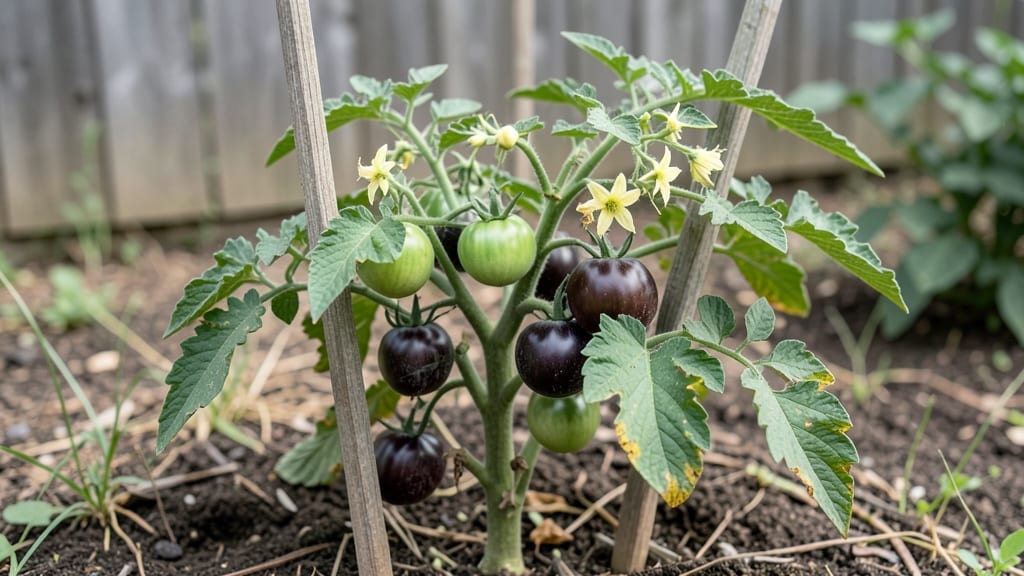
Growing chocolate tomato plants means turning even a tiny balcony into a sweet, pollinator-friendly harvest. 🌱 I learned the hard way that these compact beauties need the right balance of sun, soil, and support to deliver their rich, dark fruit—something store-bought tomatoes can't compete with.
The key isn't just space; it's giving them exactly what they crave: warm afternoons, well-draining soil, and a little extra care when they start flowering.
You'll need just a few simple supplies: a container at least 18 inches deep, quality potting mix with compost, and a sturdy cage or stakes for support. Chocolate tomatoes thrive in full sun (6+ hours daily) and prefer soil that drains well but stays consistently moist.
The real magic happens when you feed them regularly with balanced fertilizer—think of it as their energy boost for producing those deep, velvety fruits.
By mid-summer, you'll be rewarded with clusters of dark red tomatoes that burst with complex, almost cocoa-like flavor. The plants themselves stay compact (usually under 4 feet tall), making them perfect for containers, small gardens, or even hanging baskets.
Plus, their flowers attract bees and butterflies, turning your growing space into a mini ecosystem.
Here's where it gets interesting—these tomatoes love warmth but hate soggy roots, so mulch helps keep moisture steady. And if you notice yellowing leaves, it's often a sign of overwatering or nutrient deficiency.
With the right care, you'll harvest fruit for weeks, long after other varieties have faded. Let's get those plants growing!
📚 In This Guide
- What you need
- Instructions
- Tips and common mistakes
- Wrapping up and next steps
What you need
- ● Chocolate tomato seeds or seedlings: Choose varieties like 'Black Krim', 'Indigo Rose', or 'Cherokee Purple' (3–6 plants for a small harvest).
- ● Well-draining potting mix: 5–10 gallons (for containers) or 2–3 cubic feet (for in-ground planting). Opt for a compost-amended blend with 60% organic matter.
- ○ Containers (optional but ideal for compact spaces): 5–10 gallon pots with drainage holes (1–2 plants per container).
- ● Fabric grow bags (10–15 gallons) for better root aeration.
- ● Slow-release fertilizer: 1–2 cups of balanced 10-10-10 or orgánico (like fish emulsion or composted manure).
- ● Tomato cages or stakes: 5–6 ft tall (1–2 per plant for support).
- ● Mulch: Straw or shredded leaves (2–3 inches) to retain moisture.
- ● Garden trowel or small shovel (for transplanting).
- ● Watering can or hose with a gentle spray nozzle (tomatoes hate soggy roots!).
- ● Pruning shears (for removing suckers and dead leaves).
- ● pH test kit (ideal soil pH: 6.0–6.8).
- ● Sunny spot: 6–8 hours of direct sunlight daily (no skimp here—these plants are sun-worshippers!).
- ● Companion plants: Basil, marigolds, or borage to deter pests and boost flavor.
- ● Drip irrigation system for consistent moisture (especially in containers).
- ● Café grounds (used coffee grounds) to acidify soil slightly.
- ● Row covers for early-season frost protection.
How to grow chocolate tomato plants in small spaces
Here's my foolproof method for coaxing rich, sweet chocolate tomatoes from compact containers.
🌱 Step 1: Select the Right Containers and Prepare Soil Mix
Use the 4-gallon fabric grow bags or 12-inch deep wooden planters from your materials list—they provide excellent drainage while retaining enough moisture for deep-rooted tomato plants. Fabric pots prevent root circling, which is critical for chocolate tomatoes that need strong root systems to support heavy fruit.
Fill each container with 3 gallons of high-quality potting mix mixed with 1 cup of compost. I like to add a handful of perlite to improve aeration—this prevents soil compaction that can strangle roots. Moisten the mix until it feels like a wrung-out sponge: damp but not dripping. Chocolate tomatoes thrive in well-draining soil that holds moisture without becoming soggy.
☀️ Step 2: Plant Transplants at Proper Depth and Stake Immediately
Dig a hole in each container twice as wide as the root ball but only 1 inch deeper than the plant's current soil line. Gently remove your 4 chocolate tomato transplants from their nursery pots and place them in the holes. The reason we don't bury them deeper is that chocolate tomatoes are prone to stem rot if planted too deeply.
Press the soil lightly around the base and insert 5-foot bamboo stakes immediately beside each plant. Tie the main stem loosely to the stake with soft plant ties—you'll adjust as the plant grows. Chocolate tomatoes grow 4-6 feet tall, so proper support prevents broken stems. Water deeply right after planting to settle the soil and eliminate air pockets around the roots.
💧 Step 3: Provide Consistent Water and Nutrients
Water your chocolate tomatoes every 2-3 days until the top 2 inches of soil feel dry. The key here is deep watering—soak the entire root zone each time rather than giving shallow drinks. I use the drip irrigation kit to deliver water at the base, which prevents fungal diseases that love wet foliage. Chocolate tomatoes are particularly sensitive to blossom-end rot, so consistent moisture is non-negotiable.
Start liquid fertilizer applications 2 weeks after transplanting, following the package instructions for tomato plants. I've found that fish emulsion gives the rich, sweet flavor these tomatoes are famous for. Apply fertilizer every 2 weeks during the growing season, alternating with compost tea for organic matter. You'll notice the leaves develop a deeper green color and the stems thicken noticeably within 3-4 weeks.
✂️ Step 4: Prune and Train for Maximum Fruit Production
When your chocolate tomatoes reach 18 inches tall, begin pruning suckers—those little shoots that form in the leaf axils. Remove them weekly to redirect the plant's energy into fruit production rather than foliage. Chocolate tomatoes benefit from determinate pruning, so I let them grow naturally without aggressive topping. The goal is to maintain an open center that allows sunlight to reach all fruit.
Use the soft plant ties to weave the main stem around the bamboo stakes as it grows. This prevents wind damage and makes harvesting easier. You'll see the first flower clusters appear 6-8 weeks after transplanting. Remove any flowers that appear before the plant has 5-6 true leaves—this ensures the plant establishes strong roots first. Once fruiting begins, keep the plants well-watered and fertilized to prevent cracking in the thick-skinned chocolate varieties.
🪴 Step 5: Harvest and Extend the Season
Chocolate tomatoes typically ripen 75-85 days after transplanting, but they're worth the wait. Harvest when the fruit turns deep mahogany brown with a slight softness at the blossom end. Use pruning shears to cut stems cleanly—this prevents disease entry points. I like to harvest in the early morning when the fruit is coolest and most flavorful.
To extend your harvest, cover plants with frost blankets when nighttime temperatures drop below 50°F. Chocolate tomatoes are sensitive to cold, so protection gives you 2-3 extra weeks of production. You'll get about 10-12 pounds of tomatoes per plant under ideal conditions. Store unripe fruit at room temperature until they ripen fully—this concentrated sweetness is what makes chocolate tomatoes special.
Tips & tricks for growing chocolate tomato plants in small spaces
Small-space gardening with chocolate tomatoes is totally doable—here's how to maximize your yield without sacrificing flavor or health.
Container Selection Matters: The 4-gallon fabric grow bags or 12-inch deep wooden planters recommended aren't just random choices—they're the sweet spot for chocolate tomatoes. Fabric pots prevent root circling while still providing enough volume for those deep roots. If you're using wooden planters, make sure they have drainage holes drilled in the bottom. I've seen chocolate tomatoes in smaller containers struggle with stunted growth, so don't be tempted to go smaller than 4 gallons per plant.
Soil Preparation is Non-Negotiable: That 3 gallons of potting mix per container needs to be just right—not too dense, not too loose. I like to mix in an extra handful of perlite beyond what's mentioned to create tiny air pockets that prevent soil compaction. Think of it like making a fluffy cake batter—you want that soil to be light and airy so roots can breathe. Before planting, give your mix a good squeeze test: it should hold its shape when pressed but still crumble easily.
Watering Wisdom for Heavy Fruit: Those chocolate tomatoes are packing serious weight, so consistent moisture is absolutely critical. When I water every 2-3 days, I make sure to soak the entire root zone—not just the top inch. A good test is to stick your finger 2 inches down: if it feels dry, it's time to water. The drip irrigation kit mentioned is a game-changer for preventing fungal diseases that love wet foliage. I've found that morning watering gives plants all day to dry out before evening, which helps prevent blossom-end rot.
Fertilizer Timing Makes All the Difference: Starting liquid fertilizer applications exactly 2 weeks after transplanting gives your plants time to establish roots before pushing new growth. I've learned the hard way that fertilizing too early can burn tender new roots. The 2-week interval between applications is perfect—it gives your plants time to use the nutrients without overwhelming them. That 3-4 week window mentioned for visible stem thickening is your reward for getting the timing right!
Pro Tips for Chocolate Tomato Plants
- Small-space gardening with chocolate tomatoes is totally doable—here's how to maximize your yield without sacrificing flavor or health.
- Container Selection Matters: The 4-gallon fabric grow bags or 12-inch deep wooden planters recommended aren't just random choices—they're the sweet spot for chocolate tomatoes.
- Soil Preparation is Non-Negotiable: That 3 gallons of potting mix per container needs to be just right—not too dense, not too loose.
Frequently asked questions
Got questions about growing chocolate tomato plants? You’re not alone! Here are answers to the most common queries to help you cultivate these delicious, pollinator-friendly gems with confidence.
What’s the best time to plant chocolate tomato seeds indoors?
Start your seeds 6–8 weeks before your last expected frost date for indoor sowing. Use a seed-starting mix and keep them in a warm (70–80°F), bright spot with a grow light. Transplant seedlings outdoors after all danger of frost has passed and soil temps reach at least 55°F.
Can chocolate tomatoes grow in containers, or do they need a garden bed?
Chocolate tomatoes thrive in containers 12–18 inches deep with drainage holes. Use a high-quality potting mix and support them with cages or stakes. Just ensure they get 6–8 hours of sunlight daily—even in pots, they’ll reward you with sweet, meaty fruit!
Why aren’t my chocolate tomato plants flowering or fruiting?
Common culprits include lack of sunlight (they need full sun!), overwatering (let soil dry slightly between waterings), or nutrient deficiencies. Boost blooms with a balanced fertilizer (like 10-10-10) and prune suckers to focus energy on fruit production. Pro tip: Hand-pollinate flowers if bees are scarce by gently shaking plants or using a paintbrush!
What companion plants pair well with chocolate tomatoes?
Chocolate tomatoes love pollinator-friendly neighbors like basil, marigolds, borage, or nasturtiums. Avoid planting near fennel, dill, or brassicas (like cabbage), as they can stunt growth. Herbs like thyme or oregano also deter pests naturally—win-win for your garden!
How do I know when chocolate tomatoes are ripe for picking?
Look for deep brown-red skin (not green!) and a slightly soft, fragrant aroma near the stem. They’re ripe when they yield gently to pressure but don’t feel mushy. Pick them promptly—they’re delicious fresh but can overripe quickly. Pro tip: Store unripe ones at room temp to finish ripening!
Wrapping up and next steps
Growing chocolate tomato plants isn’t just about adding a sweet twist to your garden—it’s a delicious way to support pollinators while maximizing small spaces! 🌱 These compact, flavor-packed plants prove that even urban gardeners can cultivate a thriving, eco-friendly harvest.
Whether you’re a beginner or a seasoned grower, their low-maintenance charm and vibrant blooms make them a must-try.
Ready to dive in? Start by planting a few seeds or seedlings this season and watch your garden transform into a pollinator paradise. Who knows? You might just inspire neighbors to join the fun—one chocolatey tomato at a time! 🍅✨