
Pruning
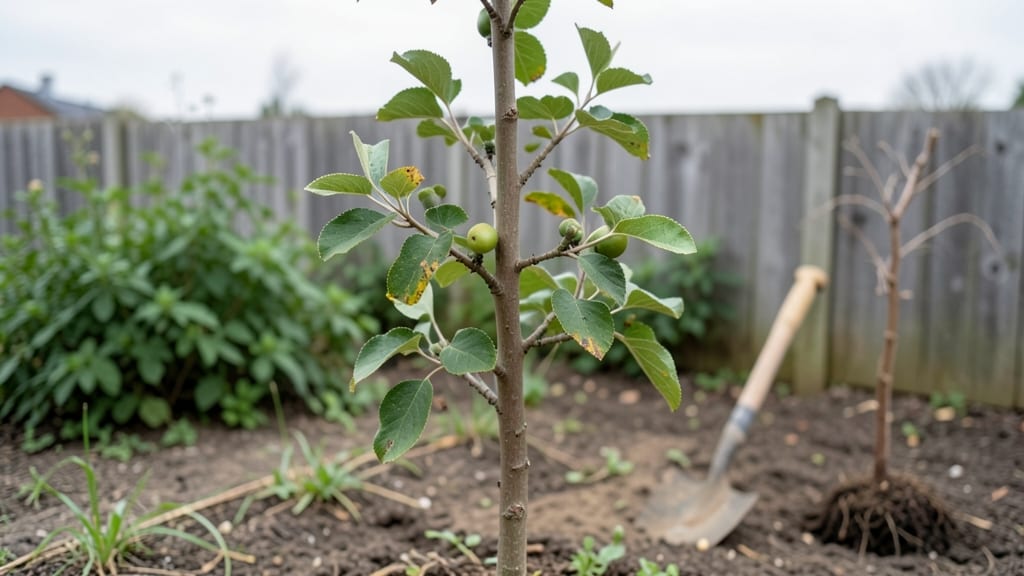
Planting a crab apple tree means adding a four-season showstopper to your yard—vibrant spring blooms, summer shade, and fiery fall color that lasts until winter. 🌿 I learned the hard way that the wrong spot or soil can stunt growth, so I’ll share exactly where and how to plant for maximum impact.
The right variety thrives in your climate, while poor site selection leads to years of disappointment.
Start with a sunny location that gets at least 6 hours of light daily—crab apples need full sun to produce abundant fruit and blooms. Dig a hole twice as wide as the root ball but no deeper, then loosen the surrounding soil to encourage root spread.
Amend heavy clay with compost to improve drainage, since soggy roots invite disease. Most beginners overlook soil prep, but this single step determines long-term health.
After planting, water deeply to settle the soil and remove air pockets, then mulch with 3 inches of organic material to retain moisture and suppress weeds. The first year focuses on root establishment, so avoid heavy pruning—just shape the tree lightly to remove crossing branches.
By spring, you’ll see new growth signaling success, and within 3-5 years, that small sapling becomes a sturdy, fruit-bearing centerpiece.
Crab apples handle urban conditions better than most fruit trees, making them perfect for small yards or pollinator-friendly landscapes. Just watch for fire blight—a bacterial disease that targets weak branches—and prune infected areas immediately.
With the right care, your tree will reward you for decades, offering both beauty and a bountiful harvest for wildlife.
📚 In This Guide
- What you need
- Instructions
- Tips and common mistakes
- Wrapping up and next steps
What you need
- ● Crab apple tree sapling – Choose a Malus variety (e.g., 'Dolgo,' 'Adams,' or 'Sargent') from a reputable nursery. Opt for a 1- to 3-gallon container-grown tree (easier to handle) or a bare-root sapling (plant in early spring or fall).
- ● Shovel or trowel – A round-point shovel (for digging) or a hand trowel (for smaller holes).
- ● Compost or well-aged manure – 5–10 gallons to enrich the soil with nutrients.
- ○ Mulch (optional but recommended) – 2–3 inches of wood chips, straw, or pine bark to retain moisture and suppress weeds.
- ● Watering can or hose with a gentle spray nozzle – For deep, thorough watering.
- ○ Tree stake (optional but helpful) – A 2–3 foot wooden or metal stake + soft tree tie to support young trees in windy areas.
- ● Pruning shears – Bypass pruners (for clean cuts) to trim damaged branches during planting.
- ● Garden gloves – Protect your hands from thorns and rough bark.
- ○ Soil pH tester (optional) – Crab apples thrive in slightly acidic to neutral soil (pH 6.0–7.0).
- ● Fertilizer (slow-release, balanced formula) – 10-10-10 or 5-10-10 (apply sparingly—too much can burn roots!).
- ● Post-hole digger (if staking) – For burying stakes securely.
- ○ Weed barrier fabric (optional) – Lay under mulch to reduce weed competition.
Step-by-Step guide for planting crab apple trees
Here's how to plant these stunning, low-maintenance trees for years of fruit and beauty.
🌱 Step 1: Choose the Right Location and Prepare the Soil
Crab apple trees thrive in full sun—pick a spot with at least 6-8 hours of direct sunlight daily. They tolerate a range of soil types but prefer well-draining soil. If your soil is heavy clay, amend it with 2-3 inches of compost mixed into the top 12 inches of soil.
Dig a hole that's twice as wide as the root ball but only as deep. The top of the root ball should sit 1-2 inches above ground level to prevent water pooling around the roots. Loosen the sides of the hole with a shovel to help roots spread easily.
🪴 Step 2: Remove the Tree from Its Container and Inspect Roots
Gently squeeze the sides of the container to loosen the root ball before lifting the tree out. If roots are circling tightly (a common issue with container-grown trees), use your fingers to tease them outward. This encourages outward growth instead of girdling the trunk later.
Check for any damaged or broken roots—trim these with clean pruners. If the tree has been root-bound, you may need to make 2-3 vertical cuts around the root ball to encourage new root growth. This is normal and won't harm the tree.
💧 Step 3: Plant the Tree and Water Thoroughly
Place the tree in the hole so the root ball sits level with the surrounding soil. Fill the hole with native soil, tamping gently as you go to remove air pockets. Avoid compacting the soil too firmly—you want it loose enough for roots to penetrate easily.
Water deeply right after planting to settle the soil and eliminate air gaps. Use 5-10 gallons of water to thoroughly soak the root zone. Mulch the base with 2-3 inches of organic mulch, keeping it 3-4 inches away from the trunk to prevent rot. This helps retain moisture and regulate soil temperature.
☀️ Step 4: Provide Initial Care and Support
Stake the tree only if necessary—young crab apple trees rarely need support unless in windy areas. If staking, use 2-3 stakes placed 6-12 inches from the trunk and tie the tree loosely with soft fabric strips. Avoid wire or anything that can cut into the bark as the tree grows.
Water 1-2 times per week for the first 2-3 months, providing 5-10 gallons each time to encourage deep root growth. You’ll know the tree is getting enough water when the top 6 inches of soil stay consistently moist but not soggy. Avoid overhead watering to prevent fungal diseases.
✂️ Step 5: Prune and Maintain for Healthy Growth
Wait until late winter or early spring before pruning for the first time. Remove any dead, diseased, or crossing branches using clean, sharp pruners. Make cuts just outside the branch collar—the swollen area where the branch meets the trunk—to promote healing.
Fertilize lightly in early spring with a balanced 10-10-10 fertilizer if your soil is poor. Crab apple trees are generally low-maintenance, but a little extra nutrients helps them establish strong growth. Avoid heavy fertilization, which can lead to excessive leaf growth at the expense of fruit production.
Tips & tricks for perfect crab apple tree planting
Here's what I've learned from years of planting these beautiful fruit trees—and how to avoid my early mistakes.
The Sunlight Secret: While 6-8 hours of sunlight is ideal, crab apple trees can tolerate partial shade, especially in hot climates. If planting in a shady spot, choose a variety known for shade tolerance like 'Dolgo' or 'Adams'. The key is to maximize sunlight exposure in Step 1—this determines both fruit production and tree health. I've seen trees in partial shade still thrive, but they produce fewer apples and grow more slowly.
Root Ball Rescue: In Step 2, don't skip inspecting those roots! I once planted a tree without checking, and the circling roots caused the trunk to girdle itself after just 3 years. Use your fingers to gently separate any tightly wound roots—this simple step prevents years of stress on your tree. For heavily root-bound trees, those 2-3 vertical cuts I mentioned really make a difference in establishing outward root growth.
Watering Wisdom: That 5-10 gallon watering in Step 3 isn't just about hydration—it's about settling the soil properly. I learned this the hard way when my first planting had air pockets that caused the tree to wobble dangerously. Water slowly to let it soak in completely, then check the soil 6 inches down with your finger. It should feel moist but not soggy. This initial watering sets the foundation for healthy root development.
Mulch Magic: The 2-3 inches of organic mulch in Step 3 does more than just retain moisture—it regulates soil temperature and prevents weeds. I've found that keeping mulch 3-4 inches away from the trunk prevents rot while still protecting the roots. For extra protection in winter, add an extra 1-2 inches of mulch around the base, but remove it in early spring before new growth begins.
Pro Tips for Crab Apple Tree Planting
- Here's what I've learned from years of planting these beautiful fruit trees—and how to avoid my early mistakes.
- The Sunlight Secret: While 6-8 hours of sunlight is ideal, crab apple trees can tolerate partial shade, especially in hot climates.
- Root Ball Rescue: In Step 2, don't skip inspecting those roots!
Frequently asked questions
Got questions about planting a crab apple tree?
Here are some of the most common ones—plus straightforward answers to help you get started with confidence!
When is the best time to plant a crab apple tree?
The ideal window is early spring (after the last frost) or early fall (before the ground freezes). These seasons give roots time to establish before extreme temperatures. Avoid planting in summer heat or winter frost—both stress young trees.
How far apart should I space multiple crab apple trees?
For optimal airflow and sunlight, plant trees 20–25 feet apart. If you’re growing them for fruit (or pollination), closer spacing (15–20 feet) works—but expect smaller trees and more competition. Check your variety’s mature size for precision!
What pests or diseases should I watch for after planting?
Crab apple trees are tough but can fall prey to apple scab, fire blight, or codling moths. Prevent issues with copper fungicide (for scab) and prune out infected branches immediately. Monitor for chewed leaves (moths) and use row covers during bloom if needed.
Can I plant a crab apple tree in a container or small yard?
Yes! Dwarf varieties (like ‘Dolgo’ or ‘Centennial’) thrive in large containers (20+ gallons) or tight spaces. Just ensure the pot has drainage and you’re ready to repot every 2–3 years. For small yards, consider espalier training to save space!
Do crab apple trees need winter protection?
Young trees (<3 years old) benefit from mulch (3–4 inches) around the base to insulate roots. In extreme cold zones (below Zone 4), wrap the trunk with tree guard or burlap to prevent sunscald. Mature trees usually handle winter fine!
Wrapping up and next steps
Planting a crab apple tree is a rewarding way to add beauty, wildlife support, and even fresh harvests to your landscape! 🌳 With the right location, soil prep, and care, your tree will thrive for decades—offering stunning blooms, fragrant blossoms, and delicious (or decorative) fruit.
Whether you’re a seasoned gardener or a beginner, every step you take brings you closer to a flourishing orchard.
Ready to take the next step? Mark your calendar for planting season (fall or early spring) and gather your tools. Then, watch as your crab apple tree grows into a vibrant centerpiece of your yard—one that benefits both you and the local ecosystem! 🌱