
How To
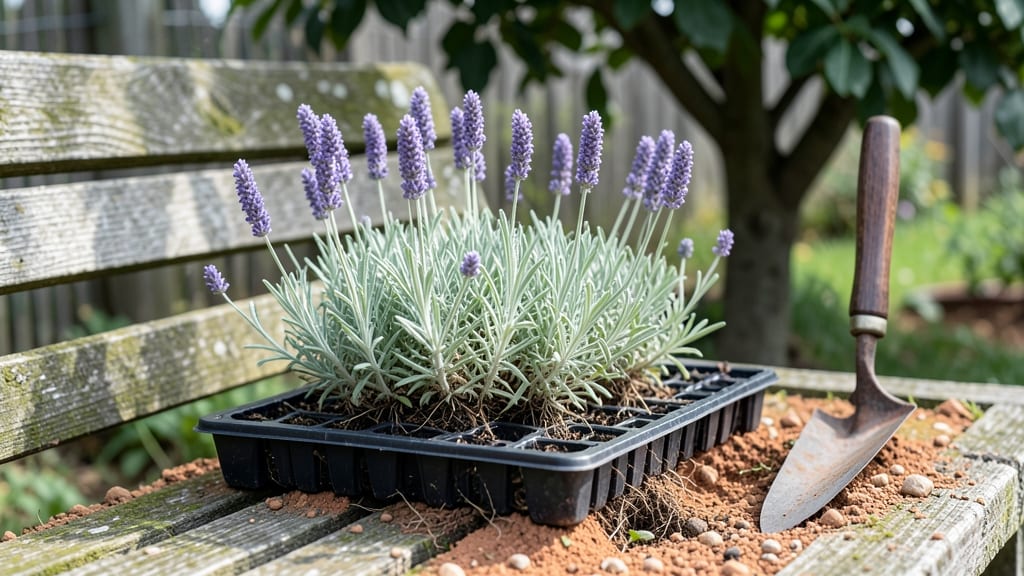
The right depth of planting determines whether your seeds sprout or rot in the soil—yet most gardeners still eyeball it instead of measuring.
Planting seeds at the wrong depth can mean the difference between a thriving garden and wasted effort—yet many gardeners guess rather than follow precise guidelines. Discover the exact soil depth for every plant type to maximize germination and growth.
For 🌱 General Planting Depth in Zone 6a, the rule of thumb is simple: seeds should go in 2-3 times their width. Tiny seeds like lettuce need just a ¼-inch cover, while larger seeds like beans go 1 inch deep.
Below, I’ll break down the science behind these numbers, how to adjust for soil type, and the most common mistakes that kill seedlings before they even emerge.


Exact seed planting depths by plant type: a comprehensive guide
Getting the depth of planting right is one of the most overlooked factors in gardening success. Too shallow, and seeds dry out before sprouting; too deep, and they struggle to reach the surface.
The ideal planting depth depends on seed size, moisture needs, and light exposure—each plant has unique requirements to thrive from day one.
For small seeds like lettuce or marigolds, shallow planting ensures they stay moist while still receiving enough light to germinate. Larger seeds, like beans or sunflowers, need deeper planting to protect their stored energy reserves.
Understanding these planting depth guidelines can boost your germination rates by up to 50%—saving time, seeds, and frustration.
Below is a comprehensive planting depth chart for common vegetables, flowers, herbs, and trees. Each recommendation is based on seed size, moisture retention, and light exposure needs. Use this as your go-to reference before your next planting session!
🌱
<summary-table>For small seeds, like those of lettuce or basil, the rule of thumb is to plant them at a depth equal to 2-3 times their width. This ensures they stay moist while still receiving enough light to germinate.
For example, a 0.1-inch seed should be planted at 0.25 inches deep—no deeper, or it may fail to sprout.
Larger seeds, such as beans or sunflowers, contain more stored energy and can handle deeper planting. These should go in at a depth of 1-2 inches to protect them from drying out or being washed away by rain.
The scientific reasoning behind this is simple: deeper planting preserves moisture and shields the seed from temperature fluctuations.
Bulbs and tubers, like tulips or potatoes, have unique requirements. They should be planted at a depth of 2-3 times their height. For instance, a 2-inch tulip bulb should go in 4-6 inches deep.
This depth helps protect them from freezing in winter and ensures they establish strong root systems before sprouting in spring.
When planting in containers, adjust depths slightly to account for limited soil volume. For example, container-grown herbs like thyme can be planted slightly deeper than their in-ground counterparts to maximize root space. Always ensure the container has drainage holes to prevent waterlogging, which can lead to root rot.
🌿
One common mistake gardeners make is planting seeds too deeply in hopes of better moisture retention. However, this can lead to poor germination or stunted growth as the seed struggles to reach the surface.
Conversely, planting too shallow risks exposing seeds to drying out or being displaced by wind or rain.
To measure planting depth accurately, use a ruler or your finger as a guide. For
Common planting depth mistakes and how to avoid them
Getting the planting depth wrong is one of the most common gardening mistakes, yet it’s easily fixed with a little knowledge. Too shallow, and seeds won’t germinate properly; too deep, and roots struggle to break through.
The key is understanding how seed size and plant type dictate the ideal depth—whether you’re sowing tiny marigold seeds or large bean seeds.
Many gardeners assume "deeper is better," but this leads to rotten seeds or stunted growth. For example, planting tomato seeds too deep can cause them to rot before sprouting, while shallow planting carrot seeds may leave them exposed to drying out.
The rule of thumb? Plant seeds at a depth 2-3 times their width, but exceptions exist for bulbs, tubers, and transplants.
⚠️ Critical Planting Depth Mistakes to Avoid
Over-planting (burying too deep) risks rot and poor root development because seeds can’t access oxygen. Under-planting (burying too shallow) exposes seeds to drying out or being washed away. For bulbs like tulips, planting too shallow can lead to top-heavy growth, while transplants buried too deep may struggle to establish roots.
Example risks: Lettuce seeds planted 1/8" deep may dry out; squash seeds buried 2" deep could rot before sprouting. Always check the seed packet guidelines or plant-specific resources for accuracy.
For small seeds like basil or parsley, aim for a depth of just 1/4 inch. These tiny seeds need light to germinate, so covering them with too much soil suffocates them.
In contrast, larger seeds like sunflower or pumpkin should go 1-2 inches deep to protect them from drying out while still allowing roots to emerge easily.
Bulbs and tubers, like dahlias or potatoes, follow a different rule: plant them at a depth 2-3 times their height. For instance, a 3-inch tulip bulb should be buried 6 inches deep.
Planting them too shallow can expose them to frost or pests, while burying them too deep may delay flowering or prevent proper growth.
Transplants, such as tomato seedlings or herb starts, also have specific depth needs. The root ball should sit at the same level as it did in the nursery pot—burying the stem too deep can cause stem rot, while planting too shallow leaves roots exposed.
Use your finger to create a small hole, place the transplant in, and fill gently to avoid air pockets.
If you’ve already made a mistake, don’t panic! For over-planted seeds, carefully dig them up and replant at the correct depth. For under-planted seeds, gently cover them with a thin layer of soil (no more than 1/4 inch) and keep the soil moist.
Monitor closely for signs of germination, and adjust watering as needed to support new growth.
To troubleshoot, watch for failed germination or stunted seedlings. If seeds aren’t sprouting after 2-3 weeks, they may have been planted too deep or in soil that’s too cold or dry. For transplants, check for yellowing leaves or wilting—these can signal root stress from improper planting depth.