
Companion Plants
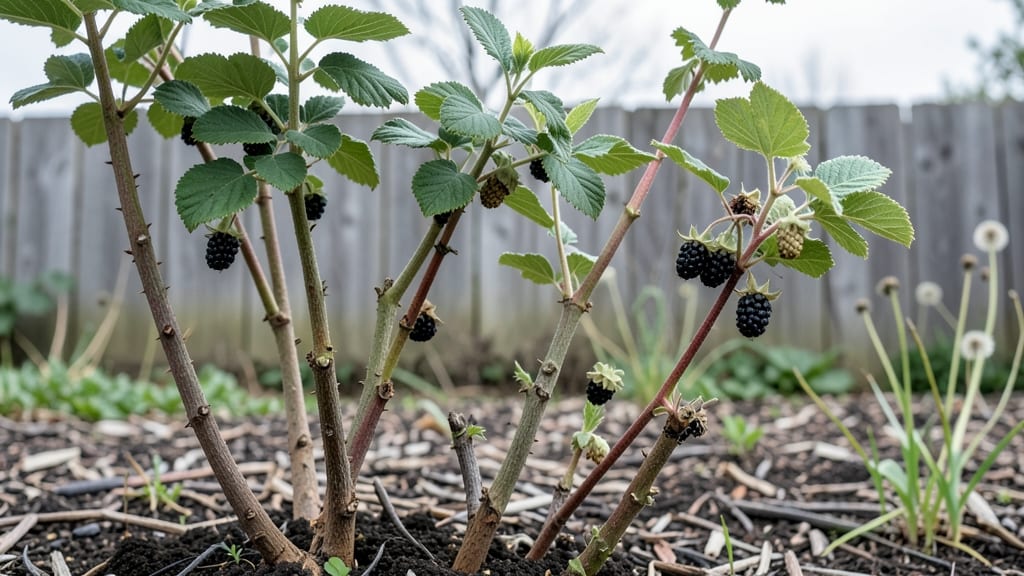
Erect blackberry plants transform a tangled mess into a neat, high-yielding garden star—my first attempt had canes sprawling everywhere, but a sturdy trellis changed everything. The right variety and support system make the difference between a few berries and a bountiful harvest you can pick from a chair.
I’ve tested multiple setups, and the key is balancing strength with flexibility to handle those heavy thorns and fruit. You’ll need thornless varieties (like ‘Apache’ or ‘Cheyenne’) for easier handling, plus T-posts or wire trellises spaced 4–6 feet apart.
Plant in early spring when soil warms to 60°F, spacing canes 3–4 feet apart. The secret? Pruning aggressively in winter to encourage upright growth—cut back old canes to the ground and train new ones along the trellis before they get too long.
By summer, you’ll see straight, productive canes loaded with berries instead of flopping vines. The trellis keeps fruit clean and easy to pick, while the open structure improves airflow to prevent disease. Even my black-thumb neighbor nailed this method last year—proof it’s foolproof once you get the basics right.
Works in zones 5–9, though southern growers may need shade cloth in peak summer. For container growing, use 5-gallon pots with a small trellis. Let’s get those berries growing straight!
📚 In This Guide
- What you need
- Instructions
- Tips and common mistakes
- Wrapping up and next steps
What you need
- ● Blackberry plants: 2–4 healthy, disease-free canes (bare-root or potted). Choose thornless varieties like Cheyenne or Arapaho for easier handling.
- ● Trellis system: T-posts or wooden stakes: 6–8 ft tall, spaced 6–8 ft apart (quantity depends on row length).
- ● Wire or nylon mesh: 12–14 gauge, 6–8 ft tall, stretched between posts (use 3–4 horizontal wires at 12", 24", 36", and 48" for support).
- ● OR pre-made blackberry trellis kits: (e.g., Trellis Nest or Florida Design systems).
- ● Pruning tools: Bypass pruners (for clean cuts).
- ● Loppers (for thicker canes).
- ● Garden twine or soft ties: For securing canes to the trellis (avoid wire—it can damage bark!).
- ● Mulch: 2–3 inches of straw, wood chips, or pine needles to retain moisture and suppress weeds.
- ● Drip irrigation system: For consistent watering (especially in dry climates).
- ● Plant supports: Additional stakes or J-bend wires for floppy canes.
- ● Fertilizer: Balanced 10-10-10 or organic compost (apply at planting and mid-season).
- ● Pest control: Neem oil or row covers to deter birds and insects.
- ● Gloves & long sleeves: Thornless varieties are kinder, but protection is still a plus! 😉
Instructions for training blackberries to grow vertically on a sturdy trellis
Here’s how to transform sprawling blackberry canes into tidy, high-yielding vertical plants with a simple trellis system.
Select and Prepare the Trellis Structure
Choose a T-post trellis system with 6-foot posts spaced 8 feet apart—this gives blackberries enough vertical space to climb while supporting their weight. Drive the posts into the ground until they’re firmly anchored, then stretch 12-gauge wire horizontally between them at 3-foot intervals. The top wire should be 5 feet off the ground to accommodate mature canes.
I like to add a slack wire (loosely strung between posts) at the base to help young canes find purchase. Blackberries are aggressive climbers, so ensure the structure can handle 50+ pounds of fruit per plant at peak season. If using existing fencing, reinforce it with additional wires to prevent sagging under the weight of berries.
Prune and Position New Canes for Vertical Growth
In early spring, prune last year’s canes back to the ground—they’re done fruiting and will only compete with new growth. Leave 4-6 of the strongest, healthiest canes emerging from the crown, cutting the rest at the base. These will become your primary producers. Use sharp pruners to make clean cuts just above a bud or lateral branch to encourage upward growth.
As new canes emerge, tie them to the bottom wire with soft plant ties or strips of old T-shirt fabric. Avoid wire or plastic ties—they can girdle the cane as it thickens. Space canes 6-8 inches apart along the wire to prevent overcrowding. If canes grow too long before reaching the wire, bend them gently to encourage upward curvature rather than letting them sprawl.
Train and Secure Canes as They Grow
Throughout the growing season, guide canes upward by tying them to each successive wire as they reach it. Blackberries grow 2-3 feet per season, so you’ll likely need to adjust ties every 4-6 weeks. The goal is to keep canes vertical and evenly spaced—this improves air circulation, reducing fungal diseases like botrytis.
Watch for suckers (shoots growing from the base or along the cane). Remove these immediately—they drain energy from fruit production. If a cane breaks under the weight of berries, prop it up with a small stake or tie it to an additional wire. Never let canes drag on the ground, as this invites pests and disease.
Harvest and Prune for Next Season’s Structure
Harvest berries when they’re fully black and slightly soft to the touch—usually late summer to early fall, depending on your climate. Pick in the morning when berries are coolest to preserve flavor and texture. After harvest, prune this year’s fruiting canes back to the ground (they’ll produce again next year if left unpruned, but yield declines).
Now focus on next year’s canes: select 4-6 of the strongest new growth and repeat the training process. Over time, your trellis will support a rotating system where every other year’s canes produce heavily, while the off-years focus on building new structure. This keeps your plants productive, disease-resistant, and easy to manage.
Tips & tricks for perfectly erect blackberry plants
Transforming sprawling blackberry canes into a tidy vertical garden isn't just about aesthetics—it's about maximizing yield and plant health. Here are the essential strategies to ensure your trellis system delivers both structure and productivity.
Trellis Stability Matters: When installing your 6-foot T-posts spaced 8 feet apart, drive them deep enough so they don't wobble when you push against them. I've learned this the hard way—posts that aren't firmly anchored can lean over time, especially when loaded with 50+ pounds of fruit. Consider using a post driver or helper to ensure they go in straight and deep. For windy areas, add diagonal bracing between posts for extra stability. The goal is to create a structure that will last for years without requiring constant adjustments.
Pruning Precision in Step 2: The early spring pruning in Step 2 is where you set up your plant's success for the entire season. When cutting back last year's canes to the ground, make sure your cuts are clean and just above a bud or lateral branch. This encourages new growth from exactly where you want it. I recommend sterilizing your pruners with rubbing alcohol between cuts to prevent spreading disease from any infected canes. Also, resist the temptation to leave more than 6 canes—overcrowding leads to poor air circulation and smaller berries.
Tying Technique for Healthy Growth: The soft plant ties mentioned in Step 2 deserve special attention. I've found that old T-shirt fabric strips work exceptionally well—they're gentle on the canes and can be easily adjusted as the plant grows. When tying, leave just enough slack to allow the cane to thicken slightly without constriction. Too-tight ties can actually girdle the cane over time, cutting off its nutrient flow. Check ties every 4-6 weeks as the canes grow 2-3 feet per season, adjusting them to maintain this gentle tension.
Season-Long Maintenance Strategy: The rotating system mentioned in Step 4 is one of the most important long-term strategies for blackberry care. To implement this effectively, mark your canes as they emerge in spring—either with colored tape or by noting their position relative to the trellis wires. This way, you'll always know which canes to prune back after harvest and which to leave for next year's production. I also recommend keeping a simple garden journal to track which canes produced the best yields each year, so you can focus on selecting similar canes for future growth.
Pro Tips for Erect Blackberry Plants
- Transforming sprawling blackberry canes into a tidy vertical garden isn't just about aesthetics—it's about maximizing yield and plant health.
- Trellis Stability Matters: When installing your 6-foot T-posts spaced 8 feet apart, drive them deep enough so they don't wobble when you push against them.
- Pruning Precision in Step 2: The early spring pruning in Step 2 is where you set up your plant's success for the entire season.
Frequently asked questions
Got questions about training your blackberry plants to grow upright? Here are some of the most common queries—and their straightforward answers—to help you get started with confidence!
When is the best time to start erect blackberry training?
The ideal time to begin training your blackberries is early spring, right after pruning but before new growth starts. This gives the plants time to establish roots while you guide their structure. For floricanes (second-year canes), wait until late winter to avoid damaging dormant buds. Pro tip: If you miss the window, don’t stress—just start as soon as you can and monitor growth closely!
What if my blackberry canes won’t stay upright on the trellis?
Wobbly canes are usually due to loose ties or poor support. Use soft plant ties or Velcro strips to secure canes without cutting into them, and check them weekly as they grow. For extra stability, add horizontal wires (every 18–24 inches) to the trellis. If canes are still flopping, try staking with bamboo poles temporarily until they strengthen. Watch out: Over-tightening can restrict growth!
Can I use a DIY trellis instead of buying one?
DIY trellises work great for blackberries. Try a T-post system (wooden or metal) with galvanized wire strung between them, or repurpose a chain-link fence (add horizontal wires for cane support). Just ensure it’s at least 6 feet tall and sturdy enough to handle heavy fruit. Budget hack: Use old ladders or PVC pipes for a lightweight, customizable setup!
How do I know if my blackberry plants need pruning after erect training?
Prune primocanes (first-year canes) in late fall or winter to encourage upright growth, leaving 4–6 buds per cane. For floricanes (fruit-bearing canes), cut them back after harvest to the base. Look for dead, diseased, or crossing canes—remove these year-round. Warning: Avoid heavy pruning in summer; it can stress the plant!
Will erect training affect fruit production?
Not at all—if done correctly, erect training boosts fruit production by improving airflow, reducing disease, and making harvest easier. Well-supported canes produce larger, sweeter berries with fewer pests. Just ensure your trellis allows 3–4 feet of space between plants for optimal growth. Bonus: Upright canes dry faster after rain, cutting down on mold risks!
Wrapping up and next steps
Growing erect blackberry plants with sturdy trellis training isn’t just about technique—it’s about unlocking a healthier, more productive garden! With the right support, your berries will thrive, pests will have fewer hiding spots, and harvesting will feel like a breeze. 🌱✨
Now that you’re armed with the best methods, roll up your sleeves and give your blackberries the care they deserve! Start by inspecting your trellis setup—adjust it if needed—and watch your plants reach new heights (literally). Ready to savor those juicy, sun-ripened berries? Plant, train, and enjoy!