
Fertilization
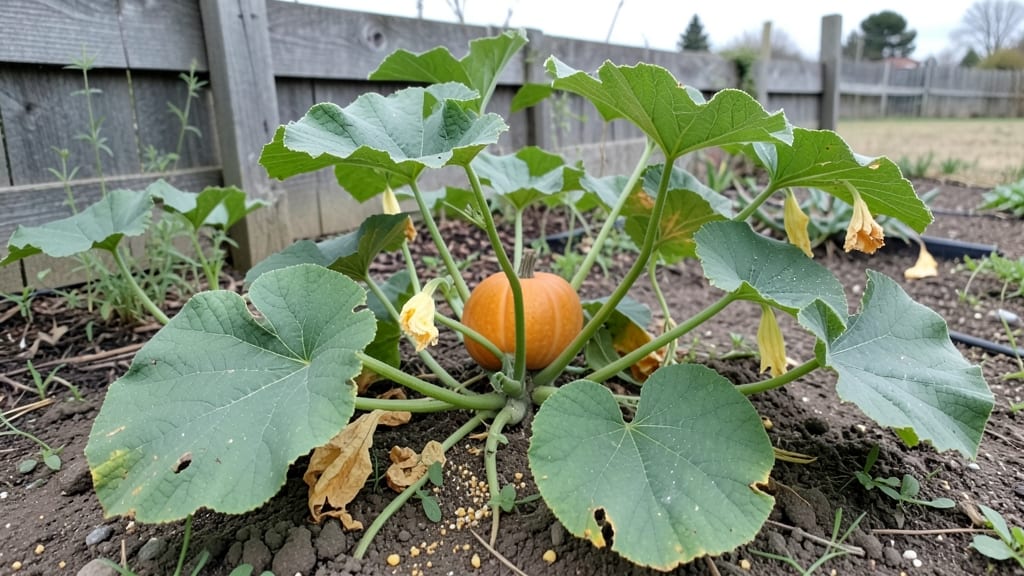
Fertilizing pumpkin plants 🎃 is the secret to turning those first tender leaves into monster vines and plump, sweet fruit.
Pumpkin plants can grow into sprawling vines weighing hundreds of pounds—but only if you feed them the right nutrients at the right time. Get the soil pH and fertilization timing wrong, and you’ll end up with bitter fruit or stunted vines.
Most gardeners focus on tomatoes or peppers, but pumpkins need a different approach—more potassium for fruit development and careful nitrogen timing to avoid leafy vines with no fruit. I’ve learned the hard way that a single misstep can turn a promising patch into a disappointment.
Below, I’ll break down the exact fertilizer types, timing, and application methods that will give you bigger vines and better harvests—no guesswork, just proven results for your 6a zone garden.
Optimal soil pH and nutrient requirements for pumpkin growth
Pumpkins thrive when their soil conditions mirror their natural habitat—rich, slightly acidic loam with abundant organic matter. The ideal soil pH for pumpkins ranges between 6.0 and 7.0, creating the perfect balance for nutrient uptake.
Outside this range, your plants may struggle to absorb essential minerals, leading to stunted vines or poor fruit development. For example, a pH below 5.5 can lock out phosphorus, while levels above 7.5 reduce iron availability, causing yellowing leaves.
Beyond pH, pumpkins demand a nutrient-rich diet to support their massive vines and heavy fruit. The three primary macronutrients—nitrogen (N), phosphorus (P), and potassium (K)—work together to fuel growth.
Nitrogen kickstarts leafy vine development, phosphorus promotes root and flower formation, and potassium strengthens stems and fruit quality. Micronutrients like magnesium and calcium also play critical roles, with deficiencies often showing as leaf discoloration or weak stems.
Let’s break down the essential nutrients pumpkins need at each growth stage, along with how to recognize deficiencies before they derail your harvest. Understanding these requirements will help you avoid common pitfalls like blossom-end rot or yellowing foliage, ensuring your pumpkins grow to their full potential.
🌱
| Nutrient | Role in Pumpkin Growth | Signs of Deficiency | Recommended Source |
|---|---|---|---|
| Nitrogen (N) | Promotes leafy vine growth and early development | Yellowing leaves (older leaves first), stunted vines | Compost, blood meal, or balanced 10-10-10 fertilizer |
| Phosphorus (P) | Encourages root development and flowering | Purple or dark green leaves, weak stems, delayed flowering | Bone meal, rock phosphate, or 5-10-10 fertilizer |
| Potassium (K) | Strengthens stems and fruit, improves disease resistance | Yellow edges on leaves, weak vines, blossom-end rot | Wood ash, greensand, or 0-0-50 fertilizer |
| Magnesium (Mg) | Critical for chlorophyll production and vine health | Interveinal yellowing (older leaves), weak growth | Epsom salt (magnesium sulfate), dolomitic lime |
| Calcium (Ca) | Prevents blossom-end rot and supports cell structure | Dark spots on fruit, cracked stems, distorted leaves | Crushed eggshells, gypsum, or lime |
| Soil pH | Determines nutrient availability; ideal range is 6.0–7.0 | Poor growth, yellowing leaves (iron deficiency), stunted fruit | Test soil with pH kit; amend with sulfur (to lower pH) or lime (to raise pH) |
To ensure your pumpkins receive the right nutrients, start by testing your soil’s pH using a home testing kit or sending a sample to your local cooperative extension service.
If your soil is too acidic (pH below 6.0), amend it with pelletized lime to raise the pH gradually. Conversely, if your soil is alkaline (pH above 7.0), incorporate elemental sulfur to lower it over time.
Aim to adjust the pH 2–3 months before planting to allow sufficient time for changes to take effect.
Once your soil is in the ideal range, focus on organic matter like compost or well-rotted manure to improve soil structure and nutrient retention. Pumpkins are heavy feeders, so enrich the soil with 2–3 inches of compost before planting.
This not only provides essential nutrients but also enhances water retention, which is crucial during the hot summer months when pumpkins are most active.
Monitor your pumpkin plants closely for early signs of nutrient deficiencies. For instance, if you notice yellowing between leaf veins, your plants may lack magnesium, while purple-tinged leaves often indicate a phosphorus shortage.
Address deficiencies promptly by applying targeted amendments, such as Epsom salt for magnesium or bone meal for phosphorus. Regularly side-dressing with a balanced fertilizer every 3–4 weeks during the growing season will keep your pumpkins thriving.
Pay special attention to potassium levels as your pumpkins enter the flowering and fruiting stages. Potassium helps prevent blossom-end rot, a common issue where the end of the fruit turns dark and mushy.
To boost potassium, use wood ash or a low-nitrogen, high-potassium fertilizer like 0-0-50. Additionally, ensure your plants receive adequate calcium by incorporating crushed eggshells into the soil or applying gypsum as a foliar spray.
Remember, the key to successful pumpkin growth lies in balancing nutrients and maintaining optimal soil conditions. By focusing on the right pH level, macronutrients, and micronutrients, you’ll set your plants up for robust vine development and bountiful fruit production.
Keep an eye out for subtle signs of stress, and don’t hesitate to adjust your fertilization strategy as needed.
With the right soil preparation and nutrient management, your pumpkin plants will reward you with healthy vines and prize-winning fruit—just in time for fall harvests and seasonal celebrations. Happy gardening! 🎃
Step-by-step fertilization schedule for maximum vine size
Pumpkin vines can sprawl up to 20 feet and produce fruit weighing 50+ pounds, but they need precise fertilization to reach their full potential.
The key lies in matching nutrient delivery to the plant’s growth phases—too much nitrogen early can delay fruiting, while insufficient potassium later leads to weak stems and poor fruit quality.
I’ve broken down the fertilization process into four critical phases, each with specific goals: pre-planting soil prep, early vine growth, flowering/fruiting, and late-season care. Whether you prefer organic compost or synthetic blends, timing and balance are everything for those massive vines and sweet pumpkins.
-
Phase 1: Pre-Planting Soil Amendments (2-4 Weeks Before Planting)
- Test soil pH (6.0–7.0 ideal) and amend with lime (if pH < 6.0) or sulfur (if pH > 7.0).
- Incorporate 2–3 inches of compost or well-rotted manure into the top 12 inches of soil.
- Add 1 cup of 10-10-10 fertilizer per 100 sq ft and till it in.
-
Phase 2: Early Vine Growth (First 4–6 Weeks After Germination)
- Focus on nitrogen for leafy vine development. Use organic options like fish emulsion (1 tbsp per gallon of water) or synthetic 20-0-0 at 1/4 cup per 10 ft of vine.
- Side-dress with alfalfa meal (1/2 cup per plant) every 3 weeks.
- Monitor for yellowing leaves—a sign of nitrogen deficiency or overwatering.
-
Phase 3: Flowering & Fruiting (Weeks 6–10)
- Switch to a balanced 10-10-10 fertilizer to support fruit development. Apply 1 tbsp per plant every 3 weeks.
- Boost phosphorus with bone meal (1/4 cup per hill) to encourage flowering.
- Use foliar sprays of seaweed extract (1 tsp per gallon) for micronutrients like magnesium.
-
Phase 4: Late-Season Care (Final 4–6 Weeks)
- Shift focus to potassium for disease resistance and sweet fruit. Use greensand (1/2 cup per 10 ft of vine) or potassium sulfate.
- Avoid nitrogen—it promotes leafy growth over fruit at this stage.
- Apply a light mulch of straw to retain moisture and prevent soil-borne diseases.
For organic gardeners, compost tea and fish emulsion are excellent nitrogen sources early on, while bone meal and wood ash provide phosphorus and potassium later. Synthetic fertilizers like 10-10-10 offer quick results but require careful monitoring to avoid nutrient burn.
Pro tip: Water deeply after fertilizing to help nutrients penetrate the soil. Avoid overhead watering, which can wash fertilizers away and invite fungal diseases like powdery mildew.
By following this schedule, your pumpkin vines will grow stronger, healthier, and produce larger, sweeter fruit—no bitter surprises here! 🎃