
Companion Plants
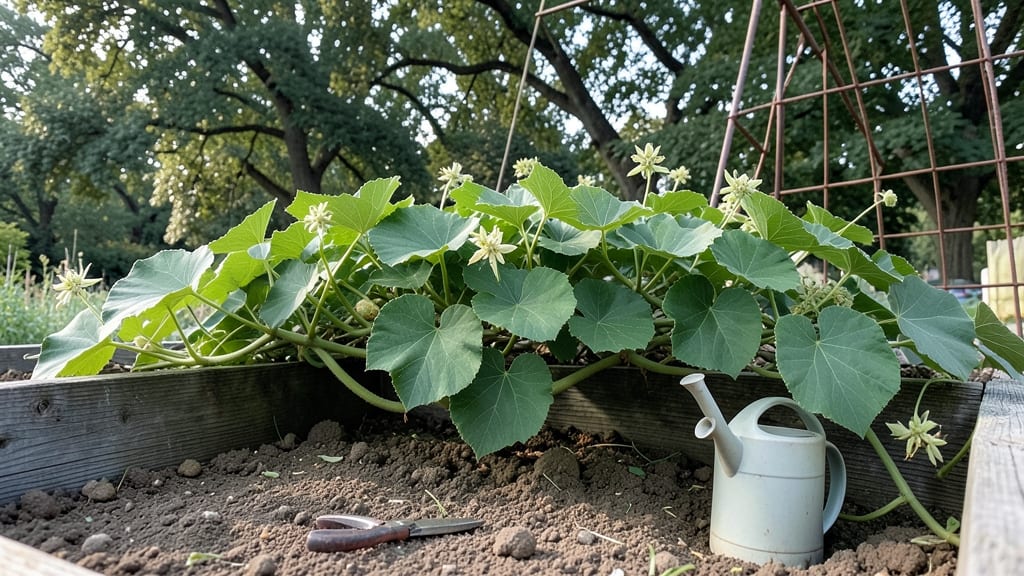
Fast-growing fuzzy kiwi vines transform any backyard into a tropical oasis in just two seasons. ✨ I planted mine last spring, and by summer they were already climbing my trellis like they’d been there for years.
The secret lies in their aggressive growth—up to 20 feet in a single season if you give them the right support and care.
These vines thrive in well-draining soil with plenty of organic matter, and they love basking in full sun for at least six hours a day. The fuzzy leaves aren’t just pretty—they’re tough, too, handling heat and humidity better than many other fruiting climbers.
With the right trellis and pruning routine, you’ll be harvesting sweet, tangy fruits by late summer.
What makes fuzzy kiwis special is how quickly they produce. Unlike hardy kiwis, these varieties fruit in just one year from seed, and they keep growing stronger each season. The fruits may be small, but the flavor packs a punch—perfect for snacking fresh or turning into jams and desserts.
The vines also attract pollinators, making your garden a busier, more vibrant place.
Whether you’re a beginner or a seasoned gardener, fuzzy kiwis are a game-changer for small spaces. They’re drought-tolerant once established, and their fast growth means you’ll see results quicker than with many other fruiting plants. Let’s get those vines climbing!
📚 In This Guide
- What you need
- Instructions
- Tips and common mistakes
- Wrapping up and next steps
What you need
- ● Fuzzy kiwi seeds or young plants: 1–3 (choose Actinidia arguta, the fuzzy kiwi variety).
- ● Well-draining potting mix: 5–10 gallons (or a blend of 60% compost, 30% coconut coir, 10% perlite).
- ● Trellis or sturdy support: 8–10 ft tall (bamboo stakes, metal arches, or a pergola).
- ● Organic fertilizer: Balanced (10-10-10) or compost tea for young plants.
- ● Pruning shears: Sharp, sterilized (for training vines).
- ● Drip irrigation or watering can: For consistent moisture.
- ○ Garden gloves: Protect your hands from thorns (optional but highly recommended!).
- ● Mulch (straw or wood chips): 2–3 inches to retain moisture.
- ● Plant ties or soft twine: For securing vines to trellises.
- ○ pH testing kit: Ideal soil pH: 6.0–7.0 (optional but helpful).
- ● Cold frame or greenhouse: For overwintering in colder climates.
Step-by-Step instructions for growing fuzzy kiwi plants
Here's how to get these vigorous climbers thriving in just a few weeks—no green thumb required.
🌱 Step 1: Choose the Right Location and Prepare the Trellis
Fuzzy kiwi vines need a sturdy 8-foot trellis or arbor to climb—think sturdy metal or wooden lattice. I position mine against a south-facing wall to maximize 6-8 hours of sunlight daily. The key is spacing: 10 feet apart between plants ensures good airflow and prevents disease. If you're growing in containers, use 5-gallon pots with drainage holes and a 3-foot tall cage trellis instead.
Before planting, soak the trellis in warm water for 10 minutes to remove any factory chemicals. This prevents root burn when you later attach the vines. Install the trellis firmly—kiwi vines can reach 30 feet if unchecked, and a wobbly structure will collapse under the weight. I drive 4-foot stakes into the ground at each corner for extra stability.
🌿 Step 2: Plant Vines at the Correct Depth and Angle
Dig a hole twice as wide as the root ball but only as deep as the container it came in. Fuzzy kiwi roots are shallow but sprawling—burying them too deep suffocates them. Gently loosen the roots if they're circling the container, then place the vine at a 45-degree angle against the trellis. This encourages upward growth immediately.
Fill the hole with well-draining potting mix (never garden soil—kiwi plants hate soggy roots). Press lightly around the base to eliminate air pockets, then water deeply until moisture reaches 12 inches down. You'll know it's right when water runs out the drainage holes but doesn't pool on the surface.
☀️ Step 3: Train Vines and Provide Support Weekly
Within 2-3 weeks, you'll see new growth—this is when training begins. Tie the main stem to the trellis with soft plant ties (never wire or zip ties—they cut into the bark). I space ties 6 inches apart to guide the vine upward without restricting growth. Let side shoots develop along the way; these will produce next year's fruit.
Here's the thing—kiwi vines are aggressive. Prune any growth that strays more than 12 inches from the trellis. You'll also need to rotate the trellis every 2 weeks so the vine doesn't grow in a lopsided pattern. Watch for heart-shaped leaves—these signal healthy growth and mean you're on the right track.
💧 Step 4: Water and Fertilize for Fast, Healthy Growth
Water deeply 2-3 times per week during the first 4 weeks, then taper to once weekly once established. Fuzzy kiwi plants are drought-tolerant once mature, but young vines need consistent moisture. I water at the base only—wetting the leaves invites fungal diseases. You'll know it's right when the top 2 inches of soil feel dry to the touch.
Feed with a balanced 10-10-10 fertilizer every 6 weeks during growing season. I mix 1 tablespoon into the soil at the base, then water deeply to distribute. Stop fertilizing 8 weeks before first frost—new growth won't harden off in time. You'll see faster growth and darker green leaves within 2 weeks of fertilizing.
✂️ Step 5: Prune for Abundant Fruit in Year Two
In late winter, prune back one-third of the previous year's growth to encourage new, fruiting branches. Cut just above a bud or leaf node, and always use clean, sharp pruners to prevent disease. I remove any dead or crossing branches first—these compete for nutrients and reduce fruit production.
Here's where it gets fun: leave 3-5 strong canes per plant. These will produce 90% of next year's fruit. You'll see tiny orange flowers in spring—that's your signal to reduce watering slightly. The fruit may take 2 years to mature, but the vines will reward you with pound after pound of fuzzy kiwis once established.
Tips & tricks for perfect fuzzy kiwi plant growth
These simple tricks will help your fuzzy kiwi vines grow faster and produce more fruit—without the guesswork.
Trellis Prep Matters: Don't skip that 10-minute warm water soak for your trellis! It removes factory chemicals that can burn delicate roots. I also recommend installing 4-foot stakes at each corner—kiwi vines get heavy, and a wobbly trellis will collapse under the weight as they grow toward their 30-foot potential.
Planting Angle Secret: The 45-degree angle in Step 2 isn't just random—it encourages upward growth immediately. If you plant vertically, the vine may sprawl instead of climbing. Also, when filling the hole, use well-draining potting mix only—garden soil compacts and suffocates those shallow roots.
Training Timeline: Those 2-3 weeks until new growth appears can feel like forever, but trust the process! Once you see shoots, start tying with soft plant ties every 6 inches. Pro tip: Rotate the trellis every 2 weeks so the vine doesn't grow in a lopsided pattern—this ensures even sunlight exposure all around.
Fertilizer Timing: The 6-week feeding schedule gives your plants just the right nutrients without overloading them. I mix the 1 tablespoon 10-10-10 fertilizer right at the base, then water deeply to distribute it. Stop feeding 8 weeks before frost—new growth won't harden off properly if you fertilize too late in the season.
Pro Tips for Fuzzy Kiwi Plants
- These simple tricks will help your fuzzy kiwi vines grow faster and produce more fruit—without the guesswork.
- Trellis Prep Matters: Don't skip that 10-minute warm water soak for your trellis!
- Planting Angle Secret: The 45-degree angle in Step 2 isn't just random—it encourages upward growth immediately.
Frequently asked questions
Got questions about growing fuzzy kiwi plants? You’re not alone!
Here are answers to the most common queries—from planting to troubleshooting—so you can cultivate these fast-growing vines with confidence.
How fast do fuzzy kiwi plants grow, and how big do they get?
Fuzzy kiwi vines are fast growers—expect 10–20 feet of growth in a single season! With proper trellising, they can climb 20–30 feet over time. Prune aggressively in early spring to manage size and encourage fruit production.
When is the best time to plant fuzzy kiwi vines?
Plant in early spring (after the last frost) or fall (6–8 weeks before your first frost). Young vines need time to establish roots before winter. If transplanting mature plants, do it in cooler weather to reduce shock.
How do I tell if my fuzzy kiwi plant is male or female?
Fuzzy kiwi plants are dioecious, meaning males and females grow separately. Females produce flowers with tiny, fuzzy fruits (edible but seedy), while males have longer stamens. For fruit, plant at least one male per 5–6 females.
What pests or diseases should I watch for with fuzzy kiwi plants?
Common issues include:
- Sap-sucking pests (aphids, scale): Spray with neem oil or introduce ladybugs.
- Powdery mildew: Improve airflow and apply sulfur fungicide if needed.
- Root rot: Ensure well-draining soil and avoid overwatering.
Can I grow fuzzy kiwi in containers, or do they need a garden?
Yes! Fuzzy kiwi thrives in large containers (15+ gallons) with a sturdy trellis. Use well-draining potting mix and fertilize monthly during growing season. Just know they’ll need winter protection in cold climates (move pots indoors or insulate).
Pro Tip:
Need a space-saving alternative? Try ‘Issai’ kiwi—a self-pollinating, compact variety that grows small, sweet fruits without needing a male plant!
Wrapping up and next steps
Growing fuzzy kiwi plants is a rewarding journey that brings vibrant greenery and delicious fruit to your garden! With their fast growth and low-maintenance needs, these trellis climbers are perfect for both beginners and seasoned gardeners.
Whether you're drawn to their ornamental appeal or eager for homegrown harvests, now is the time to start—plant a vine, watch it thrive, and enjoy the sweet taste of success! 🌱
Ready to dive in? Start by selecting your plants—visit a local nursery or order seeds online—and let your garden transform into a lush, productive paradise. Happy planting! 🌟