
Companion Plants
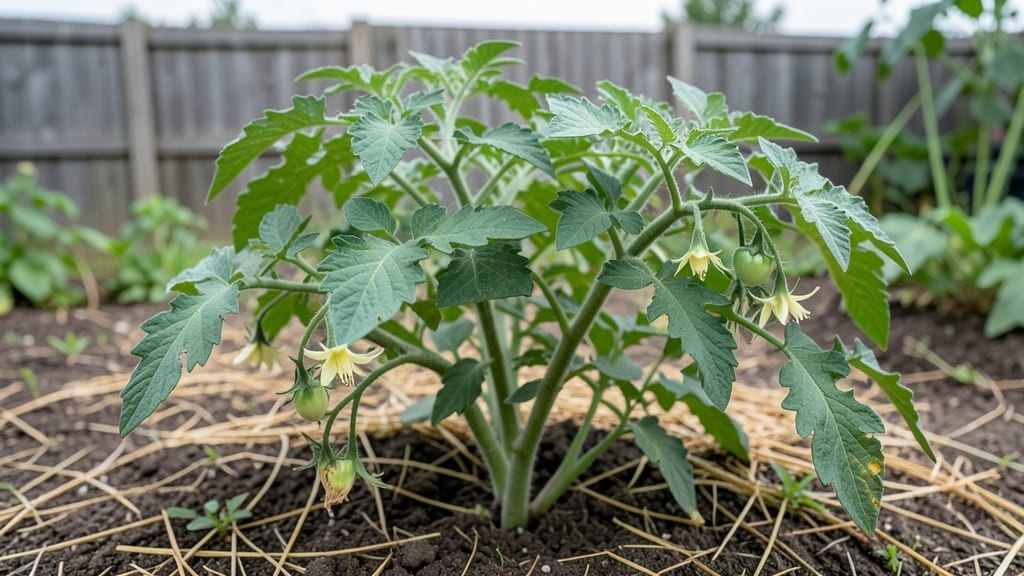
Growing green tomato plants in small spaces changed how I think about summer harvests—now I get fresh, tangy tomatoes year-round without needing a backyard. The key isn’t fancy setups but matching the right varieties to your light, space, and patience.
My compact patio now yields more tomatoes than my old in-ground garden ever did, and the secret is all in the prep.
Start with determinate varieties like 'Tiny Tim' or 'Patio Princess'—they stay small, fruit fast, and thrive in 5-gallon containers. Place them where they get 6-8 hours of sunlight daily, and use a soil mix that drains well but holds moisture.
Water consistently (about 1 inch per week), but never let them sit soggy—root rot is the silent killer of container tomatoes. A simple cage or stake keeps plants upright and makes harvesting easier.
What you’ll end up with is a steady supply of bright green, flavor-packed tomatoes—ready to eat fresh, slice into salads, or ripen indoors. The first harvest comes in 6-8 weeks for early varieties, and with proper care, you’ll keep picking for months.
The best part? No more waiting for store-bought tomatoes that taste like cardboard. This method works for balconies, windowsills, or even a sunny garage—just adjust the light and space.
Fair warning: Overwatering and poor airflow cause the most problems, but once you nail those, green tomatoes become the easiest crop to grow. Let’s get those plants thriving—your first bite will change how you garden forever.
📚 In This Guide
- What you need
- Instructions
- Tips and common mistakes
- Wrapping up and next steps
What you need
- ● Green tomato seeds or seedlings: Choose compact or dwarf varieties like Tiny Tim, Patio Princess, or Bush Early Girl (3–5 plants for a small harvest).
- ● Containers: 5-gallon pots or fabric grow bags (at least 12–18 inches deep) with drainage holes—1 per plant.
- ● High-quality potting mix: Lightweight, well-draining blend with compost (avoid garden soil). 1 bag (1–2 cubic feet).
- ● Fertilizer: Balanced organic fertilizer (10-10-10) or tomato-specific feed. 1–2 applications per season.
- ● Support system: Small cages, stakes, or trellis (4–5 feet tall) for indeterminate varieties.
- ● Hand trowel & pruning shears (for transplanting and trimming).
- ● Watering can or hose with gentle spray nozzle (avoid overhead watering to prevent disease).
- ○ pH test kit (optional but helpful—tomatoes thrive in 6.0–6.8 pH).
- ● Mulch (straw or shredded leaves) to retain moisture and suppress weeds.
- ● Grow lights (LED, full-spectrum) if growing indoors (12–16 hours/day).
Step-by-step instructions for growing green tomato plants in compact spaces
Here’s how to cultivate vigorous, productive tomato plants even when space is limited.
Select Determinate Varieties and Prepare Containers
Determinate tomato varieties like 'Tiny Tim' or 'Patio Princess' stay compact—ideal for containers—and produce fruit over a shorter season. Choose pots at least 12 inches deep and wide to accommodate strong root systems, using the 4 gallons of high-quality potting mix you’ve gathered. Avoid garden soil; it compacts and suffocates roots in confined spaces.
Drill drainage holes in the bottom of each pot if they don’t already have them. Place a 1-inch layer of perlite or coarse sand at the base to improve aeration and prevent waterlogging. This step is critical—root rot will cripple your plants before they even set fruit.
Plant Transplants and Provide Support Early
Transplant 4-week-old seedlings into each pot, burying them up to their first set of true leaves. This encourages deeper root growth and stabilizes the plant. Immediately insert a 6-foot bamboo stake or tomato cage into the soil beside each plant, securing it with the garden twine you’ve set aside. Tomatoes grow fast, and waiting to add support often leads to snapped stems when fruit loads them down.
Fill the remaining space with more potting mix, pressing gently to eliminate air pockets. Water thoroughly until moisture drains from the bottom holes, then let excess water drain away completely. You’ll know it’s right when the soil feels damp but not soggy—like a wrung-out sponge.
Optimize Light and Heat for Year-Round Growth
Tomatoes thrive in full sun (6-8 hours daily) and warmth (70-85°F). If growing indoors near a window, supplement with a grow light positioned 4-6 inches above the plants for 14-16 hours daily. South-facing windows provide the most natural light, but even then, plants may stretch toward the glass if light is insufficient.
Rotate pots quarter-turn weekly to ensure even growth. Watch for leggy stems or pale leaves—these are red flags for insufficient light. In cooler months, a seedling heat mat keeps soil temperatures steady, accelerating growth and fruit set. Consistency here prevents the common pitfall of stunted plants or poor yields.
Water and Fertilize for Continuous Harvests
Water deeply 2-3 times weekly, allowing the top 2 inches of soil to dry between sessions. Overwatering leads to blossom-end rot, while underwatering causes fruit to split or stay small. Use the 1 gallon watering can to direct water at the base, avoiding wet foliage to prevent disease. Mulch with 2 inches of straw to retain moisture and regulate soil temperature.
Feed plants every 2 weeks with the balanced liquid fertilizer (10-10-10 or similar), diluted to half-strength. Start when flowers appear and continue until harvest. You’ll notice stronger stems, darker green leaves, and more robust fruit development within a few feedings. Stop fertilizing once fruit begins to ripen to avoid late-season leafy growth at the expense of tomatoes.
Prune and Harvest for Maximum Productivity
Prune suckers—the small shoots that form in the leaf axils—weekly to redirect energy to fruit production. Use clean, sharp pruning shears to snip suckers at their base, leaving the main stem and branches intact. This step is non-negotiable for compact varieties; unpruned plants become bushy and produce smaller, lower-quality fruit.
Harvest tomatoes when they reach full color and slight softness to the touch. For green tomato varieties, pick when they’re firm but ripe—typically 70-80 days after transplanting. Regular harvesting encourages more blooms and prevents disease spread. Store unripe green tomatoes in a cool (55-60°F), dark place to slow ripening, or process them into sauces and salsas for year-round enjoyment.
Tips & tricks for perfect green tomato plants in compact spaces
Here's what I've learned from years of growing tomatoes in limited spaces—these tricks will help you avoid common pitfalls and maximize your harvest.
Container Selection Matters: While the instructions specify 12-inch pots, I've found that wider pots (14-16 inches) actually perform better for determinate varieties. The extra width allows roots to spread more horizontally, which is crucial for compact plants that don't have room to grow deep. This becomes especially important when you're dealing with the 4 gallons of potting mix—spreading it wider helps maintain proper aeration throughout the root zone.
Light Optimization Strategy: The 14-16 hours of daily grow light mentioned is ideal, but here's the key: position your lights so they're just 3-4 inches above the tallest leaves, not the top of the plant. This creates a more even light distribution and prevents the leggy growth that occurs when only the top reaches full intensity. I've seen plants stretch dramatically when lights are too high, wasting all that energy trying to reach the light instead of focusing on fruit production.
Watering Technique: When watering your 2-3 times weekly, focus on deep watering rather than frequent light sessions. I use the "finger test" method: stick your finger 2 inches into the soil—if it's dry, water thoroughly until you see moisture emerge from the drainage holes. This mimics natural rainfall patterns and encourages deeper root growth, which is essential for plants in containers where roots can't spread as they would in garden beds.
Fertilizer Timing: The 2-week feeding schedule works well, but there's a crucial detail about when to start: begin fertilizing only after you see the first flowers appear. This prevents over-fertilizing during the vegetative growth phase, which can lead to excessive leafy growth at the expense of fruit production. I've found that stopping fertilization once fruit begins to ripen, as mentioned, actually improves fruit quality by allowing the plant to focus its energy on ripening rather than new growth.
Pro Tips for Green Tomato Plants
- Here's what I've learned from years of growing tomatoes in limited spaces—these tricks will help you avoid common pitfalls and maximize your harvest.
- Container Selection Matters: While the instructions specify 12-inch pots, I've found that wider pots (14-16 inches) actually perform better for determinate varieties.
- Light Optimization Strategy: The 14-16 hours of daily grow light mentioned is ideal, but here's the key: position your lights so they're just 3-4 inches above the tallest leaves, not the top of the plant.
Frequently asked questions
Got questions about growing green tomato plants in compact spaces? You’re not alone!
Here are answers to the most common queries to help you cultivate thriving plants—even in small gardens or containers.
Can I grow green tomatoes indoors year-round?
Green tomatoes thrive indoors with 12–16 hours of bright light daily (use grow lights if natural light is limited). Keep temps between 60–85°F and ensure good airflow to prevent disease. Just be patient—they’ll ripen slower indoors than outdoors.
How long does it take for green tomato plants to produce fruit?
With proper care, expect 50–70 days from transplanting to first green tomatoes (varies by variety). Dwarf or patio types like ‘Tiny Tim’ or ‘Micro Tom’ mature faster—some even in 45 days! Monitor soil moisture and fertilize lightly every 2–3 weeks for speedier results.
What’s the best way to ripen green tomatoes indoors?
Place unripe tomatoes in a paper bag with a banana or apple (ethylene gas speeds ripening). Store them in a warm, dark spot (70–75°F) for 3–7 days. Avoid refrigeration—it stops the process! For extra help, try a small LED grow light nearby to encourage color change.
Why are my green tomato leaves turning yellow?
Yellow leaves usually signal overwatering, nutrient deficiency, or pests. Check soil moisture (keep it consistently damp but not soggy) and test for nitrogen, potassium, or magnesium deficiencies. Inspect undersides of leaves for aphids or spider mites—spray with neem oil if needed.
What are the best companion plants for green tomatoes in small spaces?
Pair tomatoes with basil, marigolds, or onions to deter pests naturally. Avoid planting near fennel or brassicas (like cabbage), as they compete for nutrients. In containers, mix in dwarf peppers or lettuce to maximize space—just ensure each plant gets enough light!
Can I over-winter green tomato plants?
Yes! Prune back foliage, repot into slightly larger containers, and move to a cool (50–60°F) indoor spot with minimal light until spring. Reduce watering and fertilize lightly every 6–8 weeks. Some varieties (like ‘Solar Fire’) even produce fruit year-round with consistent care!
Wrapping up and next steps
Growing green tomato plants in compact spaces is totally doable—whether you're a balcony gardener or just love the idea of fresh produce year-round! 🌱 With the right companion plants, containers, and care tips, you can enjoy a thriving harvest even in limited room.
Start small, experiment with varieties, and don’t forget to share your green thumb success with fellow plant lovers.
Ready to take the next step? Pick your favorite green tomato variety, grab your containers, and get planting! Your future self (and taste buds) will thank you. 🍅✨