
Diseases
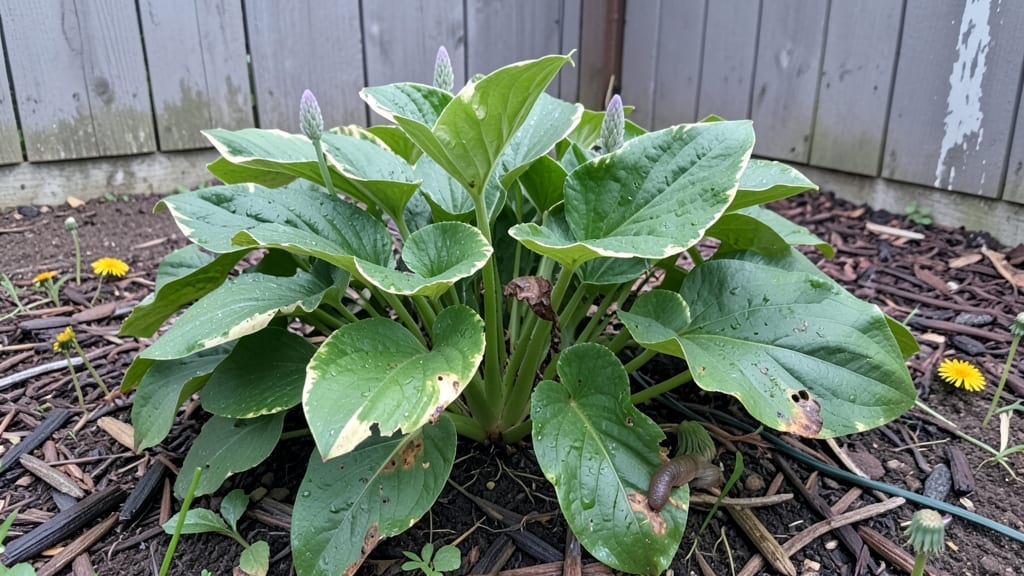
Hosta plants pests and diseases can turn your shade garden into a battleground overnight—unless you catch them early. 🌿 I learned this the hard way when slugs decimated my prized 'Blue Angel' hostas in just three nights, leaving behind nothing but slimy trails and ragged edges.
The key to saving your hostas isn't just reacting to damage; it's spotting the warning signs before they become full-blown crises.
Most problems start with moisture—too much or too little—creating the perfect conditions for slugs, snails, and fungal infections like leaf spot. Aphids and deer also love hostas, but the real villains are often hidden: powdery mildew on undersides of leaves or the telltale black spots of bacterial rot.
The good news? You can prevent 90% of issues with simple habits like proper spacing, mulching, and regular inspections during damp mornings.
By the time you finish this guide, you'll recognize the subtle differences between chewed leaves (slugs) and spongy stems (rot) and know exactly which organic sprays or barriers to use. My hostas now thrive with minimal intervention—just a quick check every week and a few proactive steps.
The payoff? Lush, pest-free foliage that makes your shade garden the envy of the neighborhood.
Whether you're dealing with a single plant or a whole border, these strategies work for both in-ground hostas and container-grown varieties. Let's get your hostas back to their glossy, healthy best before next season's pests even think about showing up.
Root Causes Behind Hosta Struggles
Understanding why hosta plants fall prey to pests and diseases starts with recognizing their natural vulnerabilities. Hostas are prized for their lush foliage and adaptability, but their broad leaves and shallow root systems make them magnets for trouble.
Let’s break down the science behind the most common culprits and why they target your hostas.
Hostas thrive in moist, well-draining soil, but when conditions go wrong, their defenses weaken. Root rot and fungal infections (like Phytophthora or Rhizoctonia) flourish in:
- Compacted or waterlogged soil – Poor drainage cuts off oxygen to roots, creating the perfect anaerobic environment for fungal pathogens.
- Excessive organic matter – Too much mulch or compost smothers roots, trapping moisture and inviting slugs, snails, and soil-borne diseases.
- Lack of airflow – Dense plantings block sunlight and airflow, increasing humidity around leaves—ideal for fungal spores to germinate.
💡 Pro Tip: Test your soil’s drainage by digging a 12-inch hole, filling it with water, and timing how long it takes to drain. If it sits for more than 6 hours, amend with sand, perlite, or compost to improve aeration.
Slugs and snails are hosta’s worst nighttime enemies, but why do they zero in on these plants?
- High moisture content – Hostas’ thick, fleshy leaves are a slug’s dream snack, packed with easy-to-digest nutrients.
- Low-growing habit – Their broad leaves brush the soil, making them easily accessible for ground-dwelling pests.
- Slow decomposition of droppings – Slugs leave silver trails of mucus, which contains enzymes that break down plant tissue—accelerating damage.
🔥 Why Now? Slugs are most active in cool, humid conditions (spring and fall) and after rain. If you notice ragged holes with slime trails, you’re dealing with a slug invasion.
Fungal diseases like leaf spot (Alternaria), powdery mildew (Erysiphe), and crown rot (Sclerotinia) exploit hostas’ love for shade and moisture.
Here’s how: - High humidity + poor airflow – Fungal spores land on leaves and germinate when humidity stays above 75% for prolonged periods. - Wet foliage – Water droplets on leaves (from overhead watering or dew) create micro-environments where spores thrive. - Weakened plants – Stress from nutrient deficiencies, drought, or transplant shock lowers resistance, making hostas easy targets.
🌡️ Key Trigger: Powdery mildew thrives in temperatures between 60–80°F (15–27°C) with low light, while leaf spot spreads fastest in warm, wet weather.
Insects like aphids, spider mites, and Japanese beetles attack hostas because:
- Soft, tender leaves – Hostas’ high water content makes them a nutrient-rich meal for sap-suckers.
- Underside leaf preference – Many pests (like aphids) hide on the undersides of leaves, where they’re protected from predators and pesticides.
- Stressed plants attract more pests – Drought, over-fertilization, or poor soil weaken hostas, signaling to pests that they’re easy pickings.
✨ Early Warning Signs: Look for sticky residue (honeydew), yellow stippling, or fine webbing—these are red flags for infestations.
Hostas are hardy but not indestructible.
When conditions veer from ideal, their immune system crashes: - Extreme heat or drought – Causes leaf scorch (brown edges) and wilting, making plants susceptible to secondary infections. - Sudden temperature swings – Frost damage weakens foliage, while heat stress reduces chlorophyll production, turning leaves pale and vulnerable. - Improper sunlight – Too much direct sun burns leaves, while too little light leads to leggy, weak growth—both scenarios attract pests.
🎯 Fix It Fast: Mulch with 3–4 inches of organic matter to regulate soil temperature and retain moisture, reducing stress-related damage.
Even well-meaning gardeners can accidentally invite problems with:
- Overhead watering – Splashes soil onto leaves, spreading fungal spores and bacterial infections.
- Using contaminated tools – Pruners or trowels carrying pathogens from infected plants can introduce diseases to healthy hostas.
- Ignoring dead foliage – Leaving diseased leaves in the garden over winter provides a spore reservoir for next season’s outbreaks.
🔪 Clean Up Rule: Sterilize tools with rubbing alcohol, remove all debris in fall, and rotate planting spots every few years to break disease cycles.
Quick Fixes for Hosta Problems
When your hosta plants show signs of stress—whether from pests or diseases—acting fast can mean the difference between a full recovery and losing them. Below are practical, step-by-step solutions tailored to the most common issues, plus prevention tips to keep your hostas thriving long-term.
Fix it: 🍳 Set up beer traps – Bury a shallow dish filled with beer near hosta plants. Slugs and snails are attracted to it and drown. Refresh every few days. 👨🍳 Apply diatomaceous earth – Sprinkle food-grade DE around the base of plants (avoid direct contact with leaves). It dehydrates pests without harming plants. 🥘 Use iron phosphate baits – Granular or pellet baits (like Sluggo) are pet-safe and effective when placed near hostas. ⏰ Handpick at night – Slugs are most active after dark. Shake them into soapy water for immediate removal.
Prevent it: ✨ Mulch strategically – Use sharp-edged mulch (like cedar chips) to deter slugs from crawling over. 🌡️ Water in the morning – Wet foliage at night attracts slugs. Keep leaves dry after dusk. 💡 Plant slug-resistant companions – Marigolds, thyme, and alliums repel slugs naturally.
Fix it: 🔥 Prune infected leaves immediately – Remove and destroy (don’t compost) diseased foliage to stop spread. 🍳 Apply neem oil spray – Mix 1 tbsp neem oil + 1 tsp mild soap in 1 quart of water. Spray undersides of leaves (where spores hide). 👨🍳 Use copper fungicide – For severe cases, spray a preventative copper-based fungicide (like Bordeaux mixture) every 2–3 weeks. 🥘 Improve airflow – Space hostas 12–18 inches apart and avoid overcrowding. ⏰ Water at the base, not overhead – Use drip irrigation or soaker hoses to keep leaves dry.
Prevent it: 🎯 Rotate crops – Avoid planting hostas in the same spot year after year. 🌡️ Avoid wet foliage – Water early in the day so leaves dry by evening. ✨ Choose resistant varieties – ‘Halcyon’ and ‘Francee’ hostas are less prone to fungal issues.
Fix it: 🔥 Blast them off with water – A strong stream from the hose dislodges aphids. Repeat every few days. 🍳 Introduce beneficial insects – Ladybugs, lacewings, and predatory mites eat aphids naturally. Buy them online or attract them with nectar-rich flowers. 👨🍳 Spray insecticidal soap – Mix 2 tbsp castile soap + 1 quart water. Spray directly on pests (test on a small leaf first). 🥘 Use horticultural oil – Apply in early spring to smother mite eggs before they hatch. ⏰ Wipe leaves with rubbing alcohol – Dip a cotton swab in 70% isopropyl alcohol and dab aphids for instant kill.
Prevent it: 💡 Encourage biodiversity – Plant dill, fennel, or yarrow to attract aphid-eating insects. 🌡️ Keep plants healthy – Stressed hostas attract more pests. Ensure proper sunlight and well-draining soil.
Fix it: 🔥 Handpick grubs at night – Use a flashlight to spot white grubs in the soil. Drop them in soapy water. 🍳 Apply milky spore or nematodes – Milky spore (for grubs) or beneficial nematodes (like Heterorhabditis bacteriophora) kill larvae naturally. 👨🍳 Set vole traps – Use snap traps with peanut butter or apple slices near burrows. Check daily. 🥘 Use hardware cloth barriers – Bury ¼-inch mesh around plant beds to block voles.
Prevent it: ✨ Aerate soil in fall – Encourages natural predators like ground beetles. 🌡️ Remove grass borders – Voles love tall grass; keep lawns mowed short.
For long-term resilience, focus on:
- Well-draining soil – Amend clay soil with compost or sand.
- Balanced fertilization – Use a slow-release, low-nitrogen fertilizer in early spring.
- Regular inspections – Check undersides of leaves weekly for early signs of trouble.
Pro Tip: 💡 If all else fails, propagate healthy cuttings from unaffected plants to rebuild your garden!
Frequently asked questions
Why do slugs and snails target hosta leaves first?
Hostas have thick, moisture-rich foliage that slugs and snails find irresistible. Their broad leaves also brush the soil, making them easily accessible for these pests. The silver slime trails you see are actually digestive enzymes that accelerate leaf damage.
What’s the fastest way to stop powdery mildew spread?
Remove all infected leaves immediately and destroy them (don’t compost). Then spray with a neem oil solution (1 tbsp neem oil + 1 tsp soap per quart of water) on leaf undersides where spores hide. Improve airflow by spacing plants 12-18 inches apart and watering at the base.
Can I still save a hosta with bacterial rot?
If caught early, you can prune away infected areas with sterilized tools and treat with copper fungicide. However, bacterial rot often spreads through the plant’s vascular system—once symptoms appear, removal is usually the safest option to prevent spreading to other plants.
How do I tell if my hosta has aphids or spider mites?
Aphids leave sticky honeydew residue and cluster on leaf undersides, while spider mites create fine webbing between leaves and cause yellow stippling. Check both sides of leaves—aphids are visible to the naked eye, but mites require a magnifying glass.
Will deer eat hostas, and how can I protect them?
Deer rarely eat hostas unless other food is scarce, but they may nibble young leaves. For protection, use repellent sprays (like deer-repelling granules) or plant deer-resistant companions like ferns or astilbe nearby. Physical barriers like chicken wire work too.