
Tools
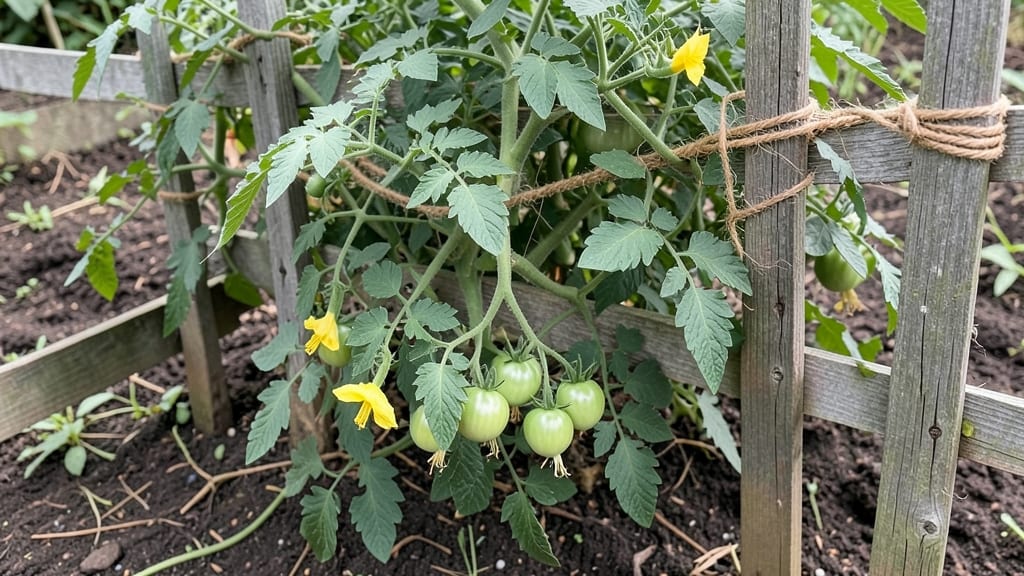
Building a trellis for tomato plants transformed my backyard from a tangled mess to a neat, high-yielding vertical garden. 🌱 The right support keeps plants upright, prevents disease, and lets you grow more tomatoes in less space—something I learned the hard way after watching vines sprawl across my patio furniture last summer.
You don’t need fancy materials—simple 2x4 lumber, bamboo stakes, or even sturdy wire mesh work perfectly. My favorite is a 4-foot-tall A-frame trellis made from two 8-foot 2x4s cut at angles and secured with screws.
It’s strong enough to hold heavy beefsteak varieties while keeping costs under $20. For smaller spaces, a teepee trellis made from bamboo poles works just as well.
Once built, you’ll see the difference immediately—better air circulation means fewer fungal diseases, and the plants focus energy on producing fruit instead of flopping. My first trellised plants yielded 30% more tomatoes than their sprawling cousins, and the harvest stayed cleaner too.
The best part? You can reuse the trellis for years with a little maintenance.
Whether you’re working with determinate bush types or indeterminate vining varieties, the same principles apply. Start with the right design for your space, and you’ll have a trellis that lasts through multiple growing seasons—no more wrestling with unruly vines or lost harvests.
📚 In This Guide
- What you need
- Instructions
- Tips and common mistakes
- Wrapping up and next steps
What you need
- ● Trellis Structure: 4–6 wooden posts (4x4 inches, 6–8 feet tall) or sturdy metal or PVC pipes (2-inch diameter)
- ● Horizontal supports: 2x4 lumber (8–10 feet long, 2–3 pieces) or metal rebar (½-inch diameter)
- ● Fasteners: Galvanized screws or decking screws (2–3 inches long, 10–15 pieces)
- ○ Optional: Heavy-duty zip ties or bungee cords for flexible supports
- ● Extras for Stability: Concrete mix or metal stakes (to anchor posts)
- ● Wooden stakes or rebar (for additional support if needed)
- ● Measuring tape
- ● Drill or screwdriver
- ● Level (to ensure posts are straight)
- ● Saw (if cutting lumber)
- ● Hammer (for stakes or nails, if used)
- ● Gloves and safety glasses (for protection)
- ● Sunny spot in your garden (tomatoes need 6–8 hours of sunlight daily!)
- ● Space: At least 18–24 inches between trellis posts for easy access
- ● Tomato plants (determinate or indeterminate—both work, but indeterminate vines need taller support!)
Step-by-Step guide to building a sturdy tomato trellis
Here’s my go-to method for constructing a trellis that handles heavy tomato vines and keeps your plants growing strong.
🪴 Step 1: Gather Materials and Tools
For this project, you’ll need four 6-foot wooden posts (2x4s work well), 100 feet of heavy-duty twine or garden twine, four 2-foot wooden stakes, four corner brackets, and a hammer or mallet. I also recommend galvanized screws for extra durability—rust won’t be an issue, and they hold better than nails.
Check your posts for straightness before assembling. A slight bend won’t ruin the project, but severe warping will make the trellis unstable. If you’re using untreated wood, apply a wood preservative now to prevent rot, especially if your trellis will sit in damp soil or get frequent rain.
☀️ Step 2: Assemble the Frame and Anchor Posts
Start by driving the four 6-foot posts into the ground at each corner of your tomato patch, spacing them 4 feet apart in a square or rectangle. The posts should go 18 inches deep—tap them firmly until they’re level with the ground surface. Use a level to check alignment; if a post wobbles, dig deeper or add soil beneath it.
Once the posts are secure, attach the corner brackets at the top of each post using 3-inch galvanized screws. These brackets will hold your horizontal supports. If you’re building a larger trellis (for indeterminate varieties like cherry tomatoes), add a second set of brackets 3 feet up for extra stability. The frame should now look like a small, sturdy square.
💧 Step 3: Add Horizontal Supports and Twine
Cut four 4-foot lengths of 2x4 lumber to serve as crossbeams. Screw these horizontally between the top brackets of each post, ensuring they’re level. For a cage-style trellis, you can skip this step and instead wrap heavy-duty twine in a crisscross pattern between the posts, securing it tightly with knots every 6 inches. This method works well for smaller varieties like Roma tomatoes.
For indeterminate tomatoes, add vertical twine supports every 12 inches along the frame. Tie the twine to the crossbeams and let it hang loosely—this gives vines something to cling to as they grow. Stretch the twine snugly but not taut; you want enough give for the plants to weave through without snapping.
✂️ Step 4: Reinforce and Secure the Structure
Drive the four 2-foot wooden stakes into the ground at a 45-degree angle between each pair of posts. These act as guy wires to prevent the trellis from leaning or toppling in windy conditions. Tie extra twine from the top of each post to the stakes, pulling it tight and securing it with a square knot. This creates a triangular bracing system that’s far stronger than a square frame alone.
Give the trellis a gentle shake to test stability. If it wobbles, add more stakes or bury the posts deeper. For extra reinforcement, wrap landscape fabric or burlap around the base of the posts to protect them from gnawing pests like rabbits or voles. This is especially important if you’re gardening in an area with hungry wildlife.
🌿 Step 5: Train Tomato Vines as They Grow
Once your tomato plants reach 12 inches tall, gently tie the main stem to the trellis using soft plant ties or strips of old T-shirt fabric. Avoid wire or zip ties—they can cut into the stems as the plant thickens. I like to weave the vines through the twine rather than tying them tightly; this encourages natural growth while keeping the plant supported.
Prune suckers (the small shoots that form in the leaf axils) regularly to direct energy into fruit production. For indeterminate varieties, you’ll need to add more twine or extend the structure as the plants grow taller—these can easily reach 8-10 feet by harvest time. Watch for fruit weight pulling branches down; if you see heavy clusters sagging, tie them up immediately to prevent stem damage.
Tips & tricks for building a sturdy tomato trellis
A few game-changing tricks that'll transform your tomato trellis from flimsy to fortress-like—because nobody wants their prize tomatoes dragging on the ground.
Material Selection Tip: Skip pressure-treated wood for your posts—it contains chemicals that can leach into the soil and affect plant health. Instead, opt for cedar or redwood, which resist rot naturally and won't compromise your tomato's growth. If you must use pine, apply that wood preservative liberally, especially if your garden gets frequent moisture.
Post Placement Precision: In Step 2, when driving your 6-foot posts 18 inches deep, use a shovel to create a 12-inch-wide hole first. This prevents soil compaction around the post and gives you more leverage when hammering. For extra stability in windy areas, add a fifth post in the center—this creates a more rigid structure that won't sway when heavy tomato clusters form.
Twine Technique: When adding vertical twine supports every 12 inches in Step 3, don't just tie them to the crossbeams—loop them around the posts first. This creates a "ladder" effect that distributes weight more evenly. For indeterminate varieties, I like to use jute twine instead of nylon—it's biodegradable and gives vines better grip as they climb.
Long-Term Reinforcement: After assembling, wrap the base of each post with landscape fabric and secure it with twine. This creates a physical barrier against gnawing pests while also protecting against soil splatter that can weaken wood over time. For extra durability, consider adding metal post caps to the tops of your posts—this prevents water from seeping in and rotting the wood from above.
Pro Tips for Build A Trellis For Tomato Plants
- A few game-changing tricks that'll transform your tomato trellis from flimsy to fortress-like—because nobody wants their prize tomatoes dragging on the ground.
- Material Selection Tip: Skip pressure-treated wood for your posts—it contains chemicals that can leach into the soil and affect plant health.
- Post Placement Precision: In Step 2, when driving your 6-foot posts 18 inches deep, use a shovel to create a 12-inch-wide hole first.
Frequently asked questions
Got questions about building the perfect trellis for your tomato plants? You’re not alone! Here are some of the most common concerns—plus straightforward answers to help you grow like a pro.
What’s the best material for a DIY trellis?
A sturdy trellis can be made from wood (cedar or pine), metal pipes, or PVC. Wood is budget-friendly and easy to work with, while metal or PVC offers durability and resistance to rot. If you’re short on time, repurpose old ladders, fences, or even chicken wire—just ensure it can support the weight of ripe tomatoes!
When is the best time to build a trellis?
Build your trellis before planting tomatoes—ideally in early spring when the soil is workable. If you’re retrofitting, set it up as soon as seedlings are 6–8 inches tall to avoid disturbing roots later. Pro tip: Pre-drill holes in wooden posts to prevent splitting when securing them!
Can I use a trellis for indeterminate vs. determinate tomatoes?
Indeterminate tomatoes (vining varieties like Roma or Cherry)
need a trellis—they’ll grow 6+ feet tall! Determinate tomatoes (bush types like Celebrity) don’t require one but benefit from light support to prevent sprawl and disease. For determinates, a small cage or low trellis (3–4 feet) works great.
Why is my trellis leaning or collapsing?
Weakness usually stems from shallow post placement, loose ties, or overloaded branches. Fix it by:
- Driving posts deeper (at least 12 inches into the ground).
- Using soft ties (old T-shirts or garden twine) to avoid damaging stems.
- Pruning excess foliage to reduce weight on the trellis.
- Adding diagonal braces for extra stability in windy areas.
What’s a quick alternative if I don’t want to build a trellis?
No tools? No problem! Try these low-effort supports:
- Stakes: Hammer a 3–4 ft wooden or metal stake beside each plant and tie stems gently.
- Cages: Buy pre-made tomato cages (5+ ft tall) for indeterminates.
- String method: Stretch fishing line or twine between two posts in a teepee shape.
- Hanging baskets: For small varieties, use suspended pots with built-in supports.
Even these options boost airflow and reduce disease risk—key for happy tomatoes!
Wrapping up and next steps
Building a trellis for your tomato plants is a rewarding project that not only supports healthier vines but also maximizes your harvest potential!
With the right materials and a little effort, you’ll create a sturdy structure that encourages growth and makes gardening easier. Now that you’re equipped with the know-how, it’s time to roll up your sleeves and transform your garden into a thriving tomato paradise.
🌱 Next step: Gather your tools, pick a sunny spot, and start building—your future juicy tomatoes are waiting!