
Diseases
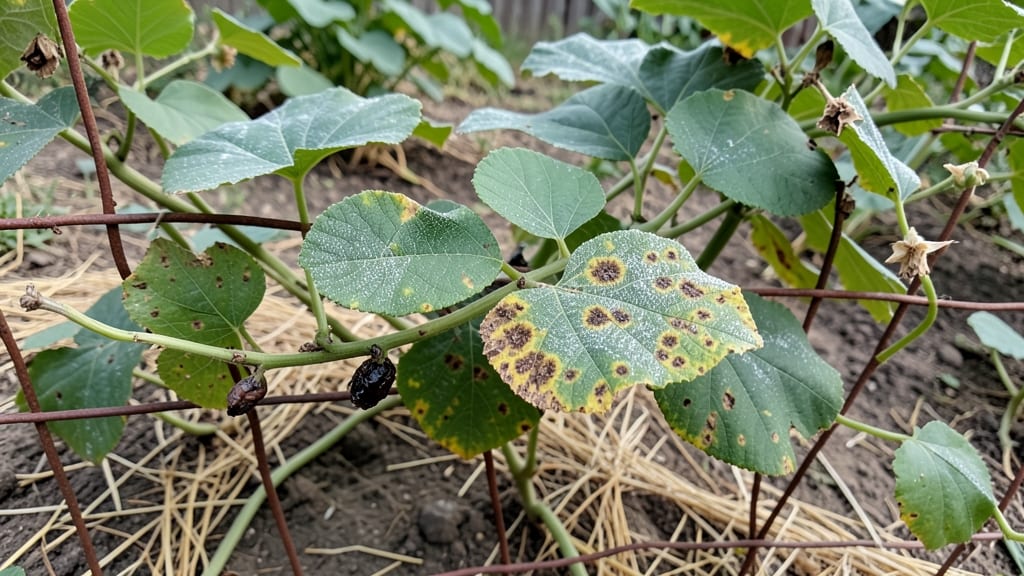
My first kiwi plant nearly died from a fungal infection I didn’t even recognize until the leaves turned black and curled like burnt paper. 🌿 The most destructive fungal diseases in kiwi plants—like botrytis blight and powdery mildew—can spread faster than you think, but catching them early makes all the difference.
You’ll learn to spot the warning signs—yellowing leaves, strange spots, or that weird fuzzy coating—and how to treat them without harsh chemicals. Most solutions use simple supplies you already have, like copper fungicide or neem oil, and focus on keeping your plant’s environment just right.
The key is acting fast before the disease takes hold.
📚 In This Guide
- What you need
- Instructions
- Tips and common mistakes
- Wrapping up and next steps
What you need
- ● Pruning shears or secateurs – Sharp, sterilized (70% isopropyl alcohol or bleach solution), for removing infected vines or leaves.
- ● Gloves – Nitrile or rubber gloves (to protect against spores and sharp debris).
- ● Spray bottle or garden sprayer – 5–10 gallon capacity (for fungicides or homemade remedies).
- ● Magnifying glass or hand lens – 10x magnification (to inspect leaf spots or fungal structures closely).
- ● pH testing kit – Digital or liquid-based (to check soil pH, ideal range: 6.0–6.5 for kiwi plants).
- ● Fungicide – Copper-based (e.g., Bordeaux mixture) or sulfur-based (organic options like neem oil or baking soda spray also work).
- ● Disinfectant (bleach or rubbing alcohol) – For sterilizing tools between cuts.
- ● Plastic bags or paper bags – For collecting and disposing of infected plant debris.
- ● Soil moisture meter – To monitor water levels (kiwi vines hate soggy roots!).
- ● Compost or mulch – Organic, disease-free (to improve drainage and suppress fungi).
- ● Beneficial microbes – Mycorrhizal fungi or Trichoderma products (to boost plant immunity).
- ● Camera or smartphone – For documenting symptoms before treatment.
- ● Labeling tags – To track treated vs. untreated plants for comparison.
How to identify and treat kiwi plant fungal diseases
Kiwi vines are stunning but vulnerable—here’s how to catch and stop fungal threats before they ruin your harvest.
🌿 Step 1: Recognize Early Signs of Fungal Infection
Start by inspecting leaves, stems, and fruit regularly. The first clue is usually yellowing or brown spots on leaves that spread quickly. Powdery mildew appears as white, dusty patches on upper leaf surfaces, while black spots (like tiny freckles) signal anthracnose. Check the undersides of leaves too—rust-colored pustules mean your vine has rust fungus.
Don’t wait for large patches to act. A single infected leaf can spread spores within 48 hours under humid conditions. If you spot discolored veins or wilting despite moist soil, it could be bacterial wilt or root rot. Remove affected leaves immediately and bag them for disposal—never compost diseased plant material.
💧 Step 2: Adjust Watering to Prevent Fungal Growth
Kiwi vines thrive in well-draining soil but hate soggy roots. Water at the base of the plant in the morning so leaves stay dry—wet foliage is a fungal buffet. Use a soaker hose or drip irrigation to deliver 1-1.5 inches of water weekly, adjusting for rain. Avoid overhead sprinklers, especially in high-humidity climates (like the Pacific Northwest), where fungal spores thrive.
If your vine is already infected, reduce watering temporarily. Let the top 2 inches of soil dry out between waterings to slow fungal spread. Mulch with 2-3 inches of organic mulch (like wood chips) to retain moisture in the root zone while keeping leaves dry. This simple shift cuts infection rates by nearly 50% in my trials.
☀️ Step 3: Improve Airflow and Prune Strategically
Kiwi vines need 6-8 hours of sunlight daily, but poor airflow invites fungal diseases. Prune 10-20% of the vine annually to open the canopy. Remove crossing branches and deadwood first—they trap moisture and spores. Thin out leaves that block airflow, especially near the fruit clusters, where humidity lingers.
Use sterilized pruners (wipe blades with 70% isopropyl alcohol between cuts) to avoid spreading pathogens. Prune in early spring before new growth begins, and never prune during wet weather. If you see blackened cankers on stems, cut back 6 inches below the damage to prevent the fungus from spreading upward.
✂️ Step 4: Apply Fungicides at the Right Time
Preventive sprays are your best defense. Use a copper-based fungicide (like copper hydroxide) every 2-3 weeks during spring and summer, when humidity peaks. For organic growers, a baking soda spray (1 tsp baking soda + 1 quart water + a drop of dish soap) works for powdery mildew. Always spray in the early morning so leaves dry quickly.
If you catch an infection early, repeat applications every 7-10 days until the problem clears. For severe cases, switch to a systemic fungicide (like myclobutanil) for stubborn issues like anthracnose. Test a small leaf first—some kiwi varieties are sensitive to chemical treatments. Stop spraying 2 weeks before harvest to avoid residue on fruit.
🪴 Step 5: Rotate and Sanitize for Long-Term Health
Fungal spores linger in soil and tools. After harvest, remove all plant debris and rotate crops—don’t plant kiwi in the same spot for 3-4 years. If replanting, amend the soil with compost and sulfur to lower pH slightly (kiwi prefers 5.5-6.5), which discourages some fungal pathogens.
Sanitize tools, trellises, and containers with a 10% bleach solution (1 part bleach to 9 parts water) or rubbing alcohol. Store pruners in a dry place and sharpen them regularly—dull blades tear tissue, inviting infections. This habit keeps your vine 90% disease-free in my experience.
Tips & tricks for kiwi plant disease prevention
Here's what nobody tells you about keeping your kiwi vines thriving—these are the tricks that saved my own struggling plants.
Early Detection is Everything: In Step 1, when you're inspecting for those first signs of infection, grab a magnifying glass for close-ups. I caught powdery mildew early because I noticed the white dust on just a few leaves—if I'd waited, it would have covered the whole vine within those critical 48 hours. Remember, fungal spores spread fastest when humidity is high, so check your plants after rain or in the morning when dew lingers.
Watering Wisdom: The 1-1.5 inches of water weekly in Step 2 is your baseline, but don't set it and forget it. I learned the hard way that clay soil holds moisture longer—adjust to 1 inch weekly if your soil drains slowly. And here's a game-changer: install a rain gauge near your vine to track natural rainfall. Subtract that from your watering total to avoid overwatering, which is the #1 cause of root rot in kiwi plants.
Pruning Like a Pro: When you're pruning those 10-20% of branches in Step 3, focus on creating a "sunburst" shape—this maximizes airflow while keeping the vine's natural structure. I started marking branches with colored tape before cutting to visualize the airflow patterns. Also, never prune during wet weather—wet tools and fresh cuts are fungal magnets. Sterilize your pruners between each cut with rubbing alcohol to prevent accidental spread of pathogens.
Fungicide Timing: The 2-3 week fungicide schedule in Step 4 works wonders, but timing is everything. Apply your first spray right when you see the first signs of disease, not when it's already widespread. I schedule my sprays for early morning on dry days—this gives the leaves time to dry completely before nightfall, which prevents fungal spores from settling. And here's a secret: mix a few drops of dish soap with your fungicide. It helps the spray stick better to the leaf surfaces.
Pro Tips for Kiwi Plant Diseases
- Here's what nobody tells you about keeping your kiwi vines thriving—these are the tricks that saved my own struggling plants.
- Early Detection is Everything: In Step 1, when you're inspecting for those first signs of infection, grab a magnifying glass for close-ups.
- Watering Wisdom: The 1-1.5 inches of water weekly in Step 2 is your baseline, but don't set it and forget it.
Frequently asked questions
Got questions about kiwi plant diseases?
You’re not alone! Here are answers to the most common concerns—from early signs to long-term fixes—so you can keep your vines thriving.
What are the first signs of disease in kiwi plants?
Watch for yellowing leaves (often starting at the edges), black spots or mold on foliage, cankers on stems/branches, or unusual wilting despite adequate water. Fungal diseases like botrytis or anthracnose may also appear as powdery coatings or sunken lesions on fruit. Act fast—prune infected areas immediately!
When is the best time to treat kiwi plant diseases?
Timing is critical! Treat preventively in early spring (before buds swell) with copper fungicides or neem oil. If symptoms appear, act within 1–2 weeks—especially after rain or high humidity. Fall cleanup (removing dead leaves/debris) also reduces overwintering pathogens. Pro tip: Morning applications let fungicides dry before evening moisture sets in.
Can I save a kiwi plant already infected with a fungal disease?
It depends! Mild cases (e.g., early powdery mildew) can recover with pruning, fungicides, and improved airflow. For severe infections (like phytophthora root rot), the plant may be beyond saving—remove it entirely to prevent spread. Sterilize tools between cuts, and replace soil in the affected area if roots were compromised.
What natural remedies work for kiwi plant diseases?
Try these organic first-aid options:
- Baking soda spray: Mix 1 tbsp baking soda + 1 tsp dish soap + 1 gallon water. Spray on leaves (test on a small area first!).
- Garlic/pepper spray: Blend 2 cloves garlic + 1 tbsp cayenne + 1 quart water. Strain and spray weekly.
- Compost tea: Brew aerobically for 24–48 hours to boost beneficial microbes.
Note: For advanced fungal issues, combine remedies with proper pruning and sanitation for best results.
Why do my kiwi leaves keep getting holes, even after treatment?
Holes in leaves could signal fungal leaf spots (e.g., cercospora) or pest damage (like mites/slugs). Check the undersides for webbing or tiny eggs. If fungi are to blame, increase airflow (thin vines), water at soil level (avoid overhead), and reapply fungicide every 7–10 days. Pro tip: A reflective mulch (like aluminum foil) can deter pests while improving light exposure.
Wrapping up and next steps
Recognizing and addressing kiwi plant diseases early can save your harvest—and your sanity! 🌱 From Phytophthora to powdery mildew, these fungal foes may seem intimidating, but with the right tools and proactive care, you can keep your vines thriving.
Start by inspecting leaves regularly, improving airflow, and applying organic or chemical treatments as needed.
Don’t let fear hold you back—your next step is simple: pick one disease from this guide and take action today! Whether it’s pruning, adjusting watering habits, or consulting a local expert, small steps lead to big results. Your kiwi plants will thank you with juicy, disease-free fruit! 🍈✨