
Companion Plants
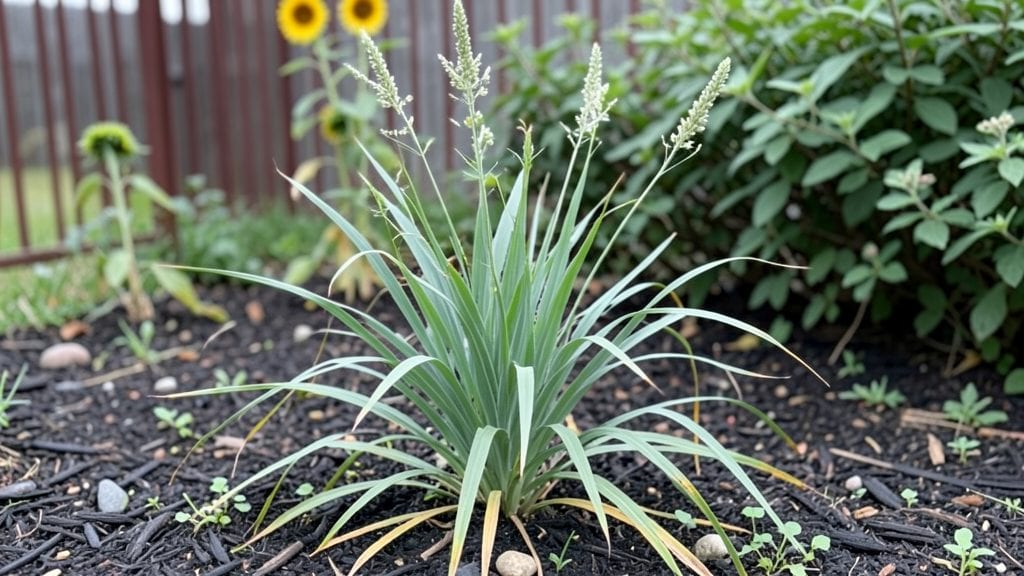
Growing large citronella plants as a living privacy screen is the fastest way to banish mosquitoes while adding lush greenery. 🌿 I planted mine last spring, and by summer they were already 6 feet tall, thick enough to block sightlines while keeping bugs at bay.
The secret lies in their rapid growth—when given the right conditions, these grasses shoot up fast and spread wider with each passing season.
These plants thrive in full sun and well-draining soil, but they’re surprisingly adaptable. My yard’s clay-heavy soil didn’t slow them down once I mixed in compost. Watering deeply once a week keeps them happy without fuss, and they handle heat better than most ornamental grasses.
The key to their size? Regular pruning to encourage bushier growth—cut back by a third in early spring, and they’ll rebound with vigor.
By mid-summer, you’ll have a fragrant, dense barrier that repels pests naturally. The lemony scent lingers in the air, and the feathery foliage sways beautifully in the breeze.
Plus, you can harvest leaves for homemade citronella oil or dry them for potpourri. It’s a win-win for both your garden and your peace of mind.
Works best in zones 9-11, but container growing extends their range. Just ensure they get plenty of sunlight—even partial shade slows their growth. Let’s get those plants towering and buzz-free in no time!
📚 In This Guide
- What you need
- Instructions
- Tips and common mistakes
- Wrapping up and next steps
What you need
- ● Citronella plant seeds or seedlings (6–10 plants for a 6-foot-tall privacy screen; opt for Cymbopogon nardus or Cymbopogon winterianus varieties for best results).
- ● Well-draining potting mix (5–10 bags, depending on pot size; mix with perlite or sand for improved aeration).
- ● Large containers or garden beds (at least 12–18 inches deep and wide per plant; use fabric pots for mobility).
- ● Slow-release fertilizer (balanced 10-10-10 or organic options like composted manure).
- ● Mulch (straw, pine bark, or wood chips) (2–3 cubic feet to retain moisture and suppress weeds).
- ● Trowel or garden shovel (for planting and soil prep).
- ● Watering can or hose with a gentle spray nozzle (citronella loves moisture but hates soggy roots!).
- ● Pruning shears (sharp, clean pair for shaping and harvesting).
- ○ Gloves (optional but helpful for handling prickly stems).
- ● Measuring tape or ruler (to space plants 12–18 inches apart for optimal growth).
- ● Full sun exposure (6+ hours daily; partial shade may stunt growth).
- ● Warm climate (USDA Zones 9–11)—citronella thrives in heat but can be grown in pots and overwintered indoors in cooler zones.
- ● Regular watering (keep soil consistently moist but not waterlogged; reduce frequency in winter).
- ● Patience for fast growth (citronella can reach 6+ feet in a single season with ideal care!).
- ● Epsom salt (1 tablespoon per gallon of water monthly for magnesium boost).
- ● Pest control spray (neem oil or insecticidal soap for aphids or mites).
- ● Trellis or stakes (to support tall stems if needed).
- ● Citronella oil diffuser (harvest stems to make your own natural repellent!).
Step-by-Step guide to growing a fast citronella privacy screen
Here's how to create a lush, mosquito-repelling hedge in record time—no waiting years for it to fill in.
🌱 Step 1: Choose and Prepare Your Planting Site
Citronella thrives in full sun—pick a spot that gets at least 6-8 hours of direct sunlight daily. The more sun, the stronger the mosquito-repelling oils. Clear the area of weeds and loosen the soil to 12 inches deep with a shovel or tiller. Work in 2-3 inches of compost (from your list) to improve drainage and fertility.
I dig a trench slightly wider than the root balls of your plants—this prevents root competition later. Space the planting holes 3-4 feet apart for a dense screen. If you're planting in a row, mark the spots with stakes so you don’t guess where to dig. Citronella grows fast, but proper spacing now means fewer gaps later.
🪴 Step 2: Plant Citronella Starts at the Right Depth
Remove each plant from its container and gently loosen the roots if they’re circling. Place it in the hole so the top of the root ball sits just below soil level—burying the stem too deep can cause rot, while planting too high leaves the roots exposed. Fill the hole with soil and press lightly around the base to remove air pockets.
Water deeply right after planting—1 gallon per plant—to help the roots settle. You’ll see the soil sink slightly as it absorbs moisture. Mulch around each plant with 2-3 inches of mulch (from your list) to retain moisture and suppress weeds. Keep mulch 2 inches away from the stem to prevent rot.
☀️ Step 3: Water and Fertilize for Fast Growth
Citronella needs consistent moisture but hates soggy soil. Water 2-3 times per week until the plants reach 2 feet tall, then taper to once weekly once established. Check soil moisture by sticking your finger 1 inch deep—water when it feels dry. Deep watering encourages strong root growth, which means faster foliage fill-in.
After planting, mix 1 tablespoon of slow-release fertilizer (from your list) into the top 2 inches of soil around each plant. This gives them a nutrient boost without burning tender new roots. Repeat every 6-8 weeks during the growing season. You’ll notice leaves darken and stems thicken within 2-3 weeks of fertilizing.
✂️ Step 4: Prune Strategically for Density and Height
Pruning isn’t just for shaping—it’s how you get a full screen in half the time. Once your plants hit 18 inches tall, cut the top 4-6 inches off each stem. This triggers bushier growth from the sides. Repeat this pinching every 4-6 weeks until the plants reach your desired height.
When the screen starts looking sparse, trim back one-third of the oldest growth in early spring. This encourages fresh, vigorous shoots. Avoid heavy pruning in fall—citronella needs time to harden off before winter. You’ll see new leaves emerge within 7-10 days of pruning, filling in gaps quickly.
💧 Step 5: Maintain for Year-Round Mosquito Control
Citronella’s oils are most potent when the plants are healthy. Water deeply once weekly during dry spells, and 2-3 times weekly in extreme heat. The leaves should stay bright green—yellowing means you’re overwatering or underwatering. Adjust based on what you see.
In late fall, trim back any dead or diseased branches and apply a 2-inch layer of mulch (from your list) to protect roots over winter. In spring, remove old mulch and replace it with fresh. Your screen will burst back to life in 3-4 weeks, ready to repel mosquitoes all season long.
Tips & tricks for growing a fast citronella privacy screen
Here's how to supercharge your citronella hedge so it grows faster and stays healthier than ever.
Sunlight is Everything: While the instructions call for 6-8 hours of sun, I've found that adding a reflective surface like white gravel or a light-colored wall behind your plants can boost sunlight exposure by up to 20%. This extra light makes the mosquito-repelling oils even more potent and speeds up growth. Place your plants where they'll get morning sun and afternoon shade if your climate is extremely hot.
Root Boost Technique: In Step 1, when loosening the soil to 12 inches deep, I like to add a handful of mycorrhizal fungi to the planting hole. These beneficial fungi form a symbiotic relationship with your citronella roots, helping them absorb water and nutrients more efficiently. You'll see faster establishment and thicker growth within just a few weeks. This is especially helpful if your soil is heavy clay or sandy.
Watering Hack: The instructions mention watering 2-3 times weekly until plants reach 2 feet tall, but I've discovered a better method: water deeply every other day for the first month. This keeps the soil consistently moist without waterlogging. Use a soaker hose or drip irrigation to deliver water directly to the roots, which reduces evaporation and fungal diseases. The key is keeping that 1-inch deep soil moisture we talked about.
Pruning for Speed: When you reach Step 4 and start pinching back the tops at 18 inches, I recommend cutting at a 45-degree angle just above a leaf node. This angled cut exposes more surface area for new growth to emerge. Also, don't be afraid to give your plants a haircut every 3-4 weeks during growing season—this encourages bushier growth from the sides, filling in that screen faster than you'd expect.
Pro Tips for Large Citronella Plants
- Here's how to supercharge your citronella hedge so it grows faster and stays healthier than ever.
- Sunlight is Everything: While the instructions call for 6-8 hours of sun, I've found that adding a reflective surface like white gravel or a light-colored wall behind your plants can boost sunlight exposure by up to 20%.
- Root Boost Technique: In Step 1, when loosening the soil to 12 inches deep, I like to add a handful of mycorrhizal fungi to the planting hole.
Frequently asked questions
Got questions about growing large citronella plants?
Here are some of the most common queries—and answers—to help you create a lush, mosquito-repelling privacy screen with ease!
How fast do large citronella plants grow?
Citronella grows surprisingly fast—expect 12–24 inches per year under ideal conditions (full sun, well-drained soil, and regular watering). With proper care, you can achieve a 6-foot privacy screen in just 2–3 years. For quicker results, plant multiple stems or use nursery-grown specimens.
Do large citronella plants really keep mosquitoes away?
Yes! Citronella contains natural oils that mosquitoes hate. However, for maximum effectiveness, pair it with other repellent plants like lemongrass, lavender, or marigolds. For large outdoor spaces, consider planting citronella in clusters or along borders where you’ll spend the most time.
Can citronella survive winter in cold climates?
Citronella is tropical and struggles in freezing temps below 20°F. In colder zones, grow it in containers and move indoors (or to a garage) during winter. Alternatively, plant it near a south-facing wall for extra warmth or mulch heavily to protect roots. If frost kills it, regrow from cuttings in spring!
What’s the best way to prune large citronella plants?
Prune in early spring to shape the plant and encourage bushier growth. Trim back leggy stems by one-third and remove dead or yellowing leaves. For a dense privacy screen, prune lightly throughout the growing season to maintain height and width. Pro tip: Wear gloves—citronella leaves can be sharp!
Are there alternatives to citronella for mosquito control?
If citronella doesn’t thrive in your climate, try these equally effective plants:
- Lemongrass – Fast-growing and fragrant.
- Catnip – Studies show it repels mosquitoes better than DEET!
- Basil – Bonus: It’s edible and deters flies too.
- Rosemary – Hardy and drought-tolerant.
Wrapping up and next steps
Growing large citronella plants is a game-changer for creating a lush, mosquito-free privacy screen that’s both functional and fragrant! 🌿 With the right soil, sunlight, and care, these fast-growing beauties will transform your yard into a serene retreat in no time.
Whether you're a seasoned gardener or just starting out, their low-maintenance nature makes them a perfect addition to any outdoor space.
Ready to take the next step? Start by selecting your preferred variety—whether it’s Cymbopogon nardus or another hardy type—and plant them this season. Before you know it, you’ll be enjoying the dual benefits of natural pest control and a stunning green barrier. Happy gardening! 🌱