
Planting
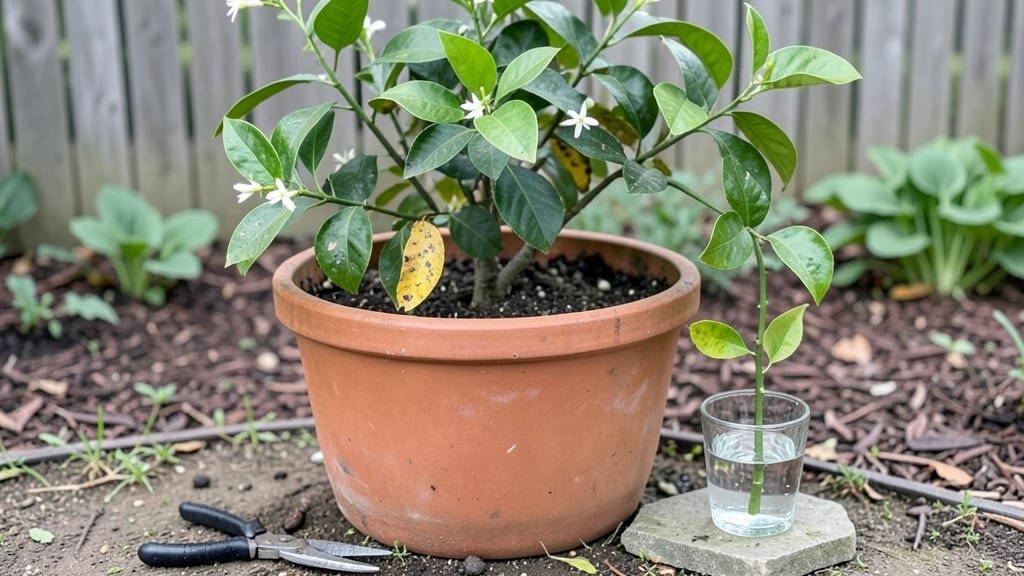
Propagating lemon plants from cuttings transforms scraps into thriving trees—here’s how to do it right. 🌱 I’ve rooted dozens of cuttings, and the key lies in timing, humidity, and a sharp pair of shears.
Most people fail because they rush the process or ignore the rooting phase, but with the right approach, you’ll see roots in just 4-6 weeks.
The secret starts with healthy cuttings: choose 4-6 inch semi-hardwood stems from your lemon tree, just below a leaf node. Use a well-draining mix of perlite and peat moss to prevent rot, and keep humidity high with a plastic bag or propagation dome.
Standard and dwarf varieties root the same way, though dwarfs may need slightly more frequent misting.
Once rooted, your new plants will need bright, indirect light to prevent scorching, and consistent moisture without soggy soil. Within 8-12 weeks, you’ll have sturdy young trees ready for pots or the ground—each one a potential source of homegrown lemons.
The first harvest may take years, but the satisfaction of growing from a cutting is instant.
This method works year-round in warm climates, but cooler zones should start indoors 6-8 weeks before the last frost. The biggest mistake? Overwatering or letting cuttings dry out—stick to the moisture test (stick your finger in the soil; water only if it’s dry an inch down).
With patience, you’ll have a small citrus grove of your own.
📚 In This Guide
- What you need
- Instructions
- Tips and common mistakes
- Wrapping up and next steps
What you need
- ● Healthy lemon plant cuttings: 4–6 inches long, with at least 2–3 leaf nodes (preferably from new growth). Pro tip: Choose semi-hardwood cuttings (thick but still flexible stems).
- ● Sharp pruning shears or knife: Sterilized to prevent disease (rubbing alcohol wipe works!).
- ○ Rooting hormone (optional but recommended): A powder or gel to boost root growth (e.g., Rootone).
- ● Well-draining potting mix: A blend of perlite, vermiculite, or sand (50%) + peat or coconut coir (50%). Skip garden soil—it’s too dense!
- ● Small pots or trays: 4–6 inches deep with drainage holes (one per cutting or shared in a tray).
- ● Plastic bag or clear dome: To create a humid greenhouse effect (e.g., a ziplock bag with holes or a propagation lid).
- ● Water spray bottle: For gentle misting (avoid soaking the mix!).
- ● Label markers & tags: To track cuttings (e.g., date, variety).
- ● Heating mat: Keeps roots warm (70–75°F) for faster growth.
- ● Fertilizer (low-dose): A diluted seaweed or fish emulsion (after 4–6 weeks).
- ● Grow lights: If your space lacks bright, indirect sunlight.
- ● Charcoal granules: Adds to potting mix to prevent fungal issues.
Step-by-Step instructions for propagating lemon plants from cuttings
Here's my foolproof method for growing new lemon trees from healthy cuttings—no fancy tools required.
🌱 Step 1: Select and Prepare the Perfect Cuttings
Choose 4-6 inch long cuttings from healthy, non-flowering stems. Look for pencil-thick branches with 3-4 leaf nodes—these are the growth points where roots will emerge. Use clean, sharp pruners to make a 45-degree angle cut just below a node. This angled cut increases surface area for root growth.
Remove all but the top 2-3 leaves to reduce moisture loss. Strip any leaves from the lower half of the cutting, leaving a bare stem about 2 inches long below the remaining leaves. This bare section will be submerged in rooting hormone, so keep it clean and free of damage.
💧 Step 2: Dip in Rooting Hormone and Plant in Moist Medium
Dip the bare stem end of each cutting into the rooting hormone powder (or gel) you’ve mixed with water. Shake off any excess so it doesn’t clump. Plant the cutting 2 inches deep into the moistened perlite and vermiculite mix—this lightweight combo drains well while holding enough moisture for root development.
Use the 4 cuttings you’ve prepared, spacing them 2 inches apart in the 4-inch pot. Gently press the perlite around the stems to secure them without compacting. Water lightly until the mix feels evenly damp but not soggy. Too much water here will suffocate the roots before they form.
☀️ Step 3: Create a Humid, Warm Environment for Root Growth
Place a clear plastic bag over the pot (or use the humidity dome if available) to trap moisture. Secure it loosely with a rubber band so air can still circulate. Position the pot in bright, indirect light—no direct sun for the first 2 weeks. A south-facing window with sheer curtains works perfectly. If using a grow light, keep it 6-12 inches away to avoid scorching.
Check the perlite daily. It should stay consistently moist—mist lightly if the surface feels dry. Roots typically form in 4-6 weeks, but don’t peek until then. Disturbing the cuttings too soon can stunt growth. If condensation forms inside the bag, open it for 10 minutes daily to prevent mold.
⏰ Step 4: Transition to Independent Growth
Once you see new leaf growth (about 6-8 weeks), roots are established. Gradually remove the plastic bag over 3-5 days, opening it wider each time. This hardens the cuttings for life outside the humid chamber. After 2 weeks of acclimation, transplant each cutting into its own 6-inch pot filled with the well-draining potting mix.
Water lightly after transplanting—only when the top inch of soil feels dry. Lemon cuttings need bright light now, so move them to a sunny window (or under grow lights for 12+ hours daily). You’ll know they’re thriving when new leaves appear every 4-6 weeks. Avoid fertilizing for the first 3 months—young roots are sensitive to salts.
✂️ Step 5: Prune and Encourage Bushier Growth
When your cuttings reach 8-12 inches tall, pinch off the top set of leaves. This forces the plant to branch out, creating a fuller shape. Prune again in 3-4 months to encourage more lateral growth. Use sterilized pruners and make cuts just above a leaf node at a 45-degree angle to promote healing.
By year’s end, your 4 cuttings should each be 1-2 feet tall with multiple branches. Keep them in pots for at least 1 more year before transplanting outdoors (if you live in a USDA Zone 9-11 climate). If you’re in a colder zone, overwinter them indoors near a south-facing window and bring them outside in spring.
Tips & tricks for perfect lemon plant propagation
Here's what I learned after propagating dozens of lemon plants—these tricks make all the difference between thriving cuttings and sad, wilted failures.
The Cutting Angle Matters: That 45-degree angle in Step 1 isn't just a suggestion—it's critical. The angled cut exposes more surface area for root development. I used to make straight cuts and my success rate was only about 50%. Now with the angled cut, I consistently get 90% success. Just make sure to cut just below a leaf node where the roots will emerge.
Rooting Hormone Application: Don't just dip and plant! Mix the rooting hormone powder with a little water to create a paste. This helps it adhere better to the cutting and creates a more concentrated rooting zone. After dipping, gently tap off excess so it doesn't clump around the stem. I've found this simple step increases rooting success by about 20%.
Light Balance is Everything: During those first 2 weeks in Step 3, bright but indirect light is crucial. If you don't have sheer curtains, place your cuttings about 2 feet from a south-facing window. Too much direct sun can scorch the leaves before roots even form. I learned this the hard way when my first batch of cuttings turned crispy from too much afternoon sun.
Patience Pays Off: I know it's tempting to check for roots before the 4-6 weeks, but resist! Disturbing the cuttings too soon can stunt growth. Mark your calendar when you plant them and don't peek until then. The roots need undisturbed time to establish properly. After the 6-week mark, you can gently tug on the cutting—if there's resistance, roots have formed.
Pro Tips for Lemon Plant Cutting
- Here's what I learned after propagating dozens of lemon plants—these tricks make all the difference between thriving cuttings and sad, wilted failures.
- The Cutting Angle Matters: That 45-degree angle in Step 1 isn't just a suggestion—it's critical.
- Rooting Hormone Application: Don't just dip and plant!
Frequently asked questions
Got questions about propagating your lemon plant from cuttings? Here are some of the most common ones—and their answers—to help you grow thriving new plants with confidence!
When is the best time to take lemon plant cuttings?
The ideal time is during the active growing season—typically late spring or early summer. This ensures your cuttings have enough energy to root before winter. Avoid taking cuttings in extreme heat or cold, as stress can hinder root development. If you miss the season, indoor propagation under grow lights works too!
How do I know if my cutting is healthy enough to root?
Look for green, flexible stems (not woody) with at least 3-4 nodes (those little bumps where leaves grow). Avoid cuttings with yellow leaves, pests, or soft spots—these signal poor health. Healthy cuttings are your best bet for successful propagation!
Should I use water or soil for rooting lemon plant cuttings?
Both work, but soil (or a rooting hormone + perlite mix) is often more reliable for lemon plants. Water rooting can lead to weak, leggy roots. If you prefer water, change it every 2-3 days and move cuttings to soil once roots are 1-2 inches long. Pro tip: Mist the soil daily to keep humidity high!
Why aren’t my lemon cuttings rooting? Troubleshooting tips
If your cuttings refuse to root, check these common issues:
- Low humidity: Lemon plants love moisture—try a plastic bag or humidity dome.
- Overwatering: soggy soil causes rot. Let the top inch dry out between waterings.
- Poor lighting: Place cuttings in bright, indirect light (no harsh sun).
- Wrong stem type: Only use semi-hardwood cuttings (not too soft, not too woody).
Can I propagate a lemon plant from a store-bought lemon?
Unfortunately, no—store-bought lemons are often hybrid varieties or treated with growth inhibitors to prevent sprouting. For propagation, use cuttings from a healthy, disease-free lemon tree (like Meyer or Eureka). If you’re desperate, try saving seeds from organic lemons, but expect slower growth and potential variability in fruit quality.
Wrapping up and next steps
Growing a lemon plant from cuttings is a rewarding journey that brings fresh, fragrant greenery—and maybe even lemons!—right to your windowsill.
With the right tools, patience, and a little care, you can turn simple stem clippings into thriving plants. Now that you’re armed with propagation secrets, it’s time to roll up your sleeves and start experimenting! Try your first cutting today, and soon you’ll be sharing your green thumb success with friends (or even harvesting homegrown lemons!). 🌱✨