Vegetables
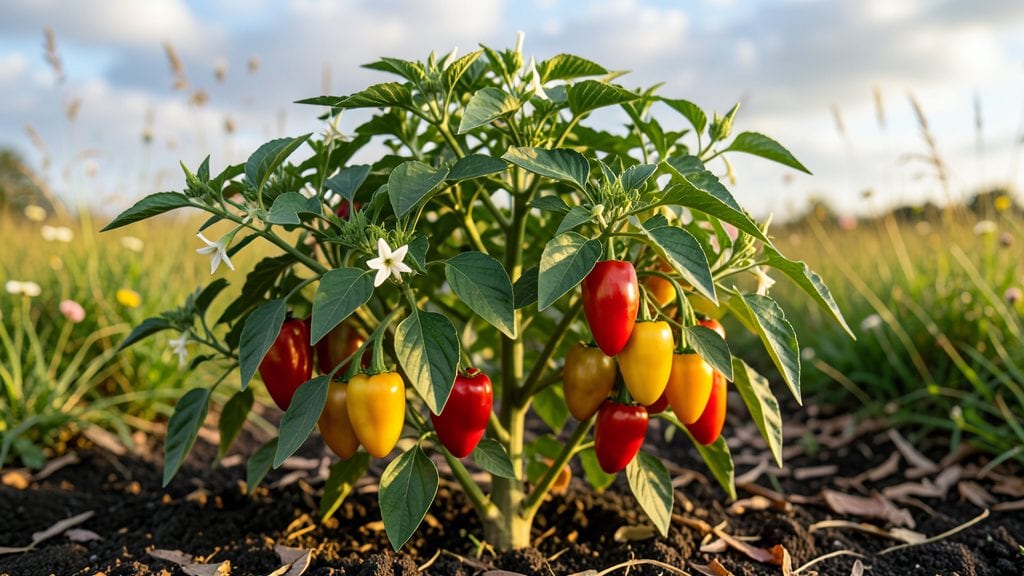
Growing the Lesya pepper plant in small spaces is one of the smartest moves for flavor-packed harvests. 🌱 This compact variety packs a sweet, fruity punch with thick walls—perfect for containers or tight gardens—while most peppers sprawl like they own the place.
I grew mine in a 5-gallon pot last summer and ended up with enough peppers to share jars all winter.
The secret to happy Lesya peppers lies in 3 key things: warm soil (wait until night temps stay above 55°F), morning sun (at least 6 hours), and well-draining soil (mix in compost to avoid soggy roots).
Unlike heat-loving jalapeños, Lesyas tolerate brief afternoon shade, making them ideal for patios or balconies where full sun isn’t guaranteed.
By midsummer, you’ll see glossy green peppers forming in clusters, and the flavor? It’s a mix of sweet bell pepper and tropical fruit—nothing like the bland store-bought versions.
The plants stay compact (2–3 feet tall), so they won’t crowd your space, and they produce throughout the season if you keep them fed with balanced fertilizer every 4–6 weeks.
Even in small spaces, Lesyas outperform most peppers—just watch for aphids (spray with soapy water) and blight (space plants for airflow). With the right care, you’ll harvest dozens of peppers from one plant, and the bold flavor makes every bite worth the effort.
📚 In This Guide
- What you need
- Instructions
- Tips and common mistakes
- Wrapping up and next steps
What you need
- ● Lesya Pepper Seeds – 3–5 seeds (or 1–2 starter plants if buying seedlings). Look for organic, non-GMO seeds for best results.
- ● Containers or Garden Bed: Containers: 5–7 gallon pots (at least 12" deep) with drainage holes. Plastic, fabric, or ceramic works—just ensure they’re sturdy!
- ● Garden Bed: Well-draining soil in a sunny spot (6+ hours of sunlight daily). Raised beds are ideal for small spaces.
- ● High-Quality Potting Mix – 1–2 bags (look for organic, peat-free mix with perlite or vermiculite for aeration).
- ● Slow-Release Fertilizer – 1–2 cups of balanced (10-10-10) or pepper-specific fertilizer (e.g., Espoma Garden-Tone).
- ● Organic Compost – 1–2 cups (boosts nutrients and moisture retention).
- ● Basic Gardening Tools: Trowel or small shovel
- ● Pruning shears (for trimming)
- ● Measuring cup or spoon (for soil/fertilizer)
- ● Watering Can or Hose – With a gentle spray nozzle to avoid disturbing seedlings.
- ○ Grow Lights (Optional) – LED or fluorescent lights (12–16 hours/day) if growing indoors or in low-light areas.
- ● Plant Labels – To track varieties and watering schedules.
- ○ Mulch (Optional) – Straw or shredded leaves to retain moisture and suppress weeds.
- ○ Support Stakes or Cage (Optional) – For taller plants (Lesya peppers can grow 2–3 feet tall).
- ● Warmth & Sunlight – Lesya peppers thrive in temperatures above 65°F (18°C). Start seeds indoors 8–10 weeks before the last frost or wait until soil is warm.
- ● Patience – Germination takes 10–20 days, and peppers need 60–90 days to mature.
- ● Consistency – Peppers love regular watering (1–2 inches per week) and balanced nutrients.
Step-by-Step instructions for cultivating Lesya pepper plants
Here's how to coax bold, productive Lesya peppers from seed to harvest—even in tight spaces.
🌱 Step 1: Start Seeds Indoors with Precision Timing
Lesya peppers thrive when started 8-10 weeks before your last frost date. Fill 2-inch biodegradable pots with sterile seed-starting mix, pressing it down until firm but not compacted. Plant 2-3 seeds per pot at a depth of ¼ inch, just below the soil surface. Cover lightly with additional mix and mist gently until evenly moist.
Place pots in a warm spot—75-85°F soil temperature speeds germination. I use a seedling heat mat for consistent warmth. Keep the mix moist but never soggy; condensation on the dome signals excess moisture. Germination takes 7-14 days, so patience is key—don't disturb the soil until you see green sprouts breaking through.
☀️ Step 2: Provide Optimal Light and Prevent Leggy Growth
The moment seedlings emerge, move them under 14-16 hours of bright light daily. A south-facing window rarely suffices; supplement with a full-spectrum LED grow light positioned 2-3 inches above the seedlings. Raise the light as plants grow to maintain that distance—too close causes leaf burn, too far creates leggy stems.
Watch for thin, pale stems and leaves spaced far apart—this signals insufficient light. Strong seedlings have thick stems and deep green leaves. Rotate pots quarter-turn daily to prevent leaning. Once seedlings develop 2-3 true leaves, thin to the strongest plant per pot, snipping the others at soil level.
🪴 Step 3: Transplant to Larger Containers with Care
When seedlings reach 4-6 inches tall with 4-5 leaves, transplant them into 5-gallon containers filled with well-draining potting mix. Gently remove the biodegradable pot, tease the roots slightly if they're circling, then place the seedling in its new home. Fill gaps with additional mix, pressing lightly to eliminate air pockets.
Lesya peppers need 6+ hours of direct sun daily, so position containers where they'll receive morning sun and afternoon shade if temperatures exceed 90°F. Water deeply after transplanting to settle the soil and encourage root expansion. Avoid wetting leaves to prevent fungal diseases—water at the base instead.
💧 Step 4: Maintain Consistent Moisture and Fertility
Keep the soil evenly moist but never waterlogged—Lesya peppers hate soggy roots. Water when the top inch feels dry, and always use room-temperature water to avoid shocking the plants. Feed every 2-3 weeks with a balanced liquid fertilizer diluted to half strength, focusing on phosphorus to encourage flowering and fruiting.
Prune suckers—those small shoots that form in the leaf axils—regularly to direct energy toward fruit production. Pinch off flowers on the first 6-8 inches of growth to allow the plant to establish a stronger structure. Once the plant is well-rooted and sturdy, let it flower freely. You'll see bright yellow blooms followed by bold, glossy peppers in 70-80 days.
✂️ Step 5: Harvest and Encourage Continuous Production
Harvest Lesya peppers when they reach 3-4 inches long and develop their signature bold color—typically red or yellow. Use pruning shears to cut stems just above the fruit, leaving a small portion of the stem attached. This method reduces damage to the plant and encourages more blooms.
After harvesting, pinch off any remaining flowers to allow the plant to recover. With proper care, Lesya peppers continue producing through the season. In cooler climates, bring containers indoors before the first frost and place them near a south-facing window or under grow lights to extend the harvest. You'll enjoy a steady supply of bold, flavorful peppers long after most garden varieties have finished.
Tips & tricks for perfect Lesya pepper plant cultivation
Between us, growing Lesya peppers isn't just about following steps—it's about understanding the subtle cues that turn good plants into exceptional producers. Here's what I've learned after watching these bold peppers thrive in tight spaces.
Germination Temperature Control: That 75-85°F soil temperature range in Step 1 isn't just a suggestion—it's the sweet spot for consistent germination. I've seen seeds take 21 days when soil was only 68°F, so if your kitchen runs cool, consider a seedling heat mat or warm spot near your fridge's base. The moment you see those first green sprouts, move them immediately to prevent damping off from excess moisture.
Lighting Strategy for Compact Growth: The 14-16 hours of light in Step 2 is non-negotiable for preventing leggy seedlings, but here's the secret: position your grow light so it just grazes the tallest leaves. If you notice leaves stretching toward the light or developing pale undersides, you're too far away. I adjust mine every 3-4 days as seedlings grow—this keeps stems thick and prevents that weak, spindly look that's hard to correct later.
Transplanting Technique: When you're ready to move those 4-6 inch seedlings to 5-gallon containers in Step 3, here's what nobody tells you: Lesya peppers hate root disturbance. Gently squeeze the biodegradable pot to loosen the root ball before removing it—this preserves those delicate feeder roots. If you see roots circling, make a vertical cut down the center with a clean knife to encourage outward growth in their new home. This single step makes all the difference in establishing strong plants.
Harvest Timing Psychology: Those 3-4 inch peppers in Step 5 might look ready, but here's the thing: the sweet spot for maximum production is actually 2-3 inches. Harvesting slightly smaller peppers encourages more frequent blooming cycles. I've found that peppers left too long on the vine develop thicker walls but fewer total fruits—so think of it as a trade-off between size and quantity. Plus, the earlier you harvest, the more time the plant has to recover and produce another batch.
Pro Tips for Lesya Pepper Plant
- Between us, growing Lesya peppers isn't just about following steps—it's about understanding the subtle cues that turn good plants into exceptional producers.
- Germination Temperature Control: That 75-85°F soil temperature range in Step 1 isn't just a suggestion—it's the sweet spot for consistent germination.
- Lighting Strategy for Compact Growth: The 14-16 hours of light in Step 2 is non-negotiable for preventing leggy seedlings, but here's the secret: position your grow light so it just grazes the tallest leaves.
Frequently asked questions
Got questions about growing your own Lesya pepper plant? You’re not alone! Here are some of the most common queries—plus straightforward answers to help you crush your harvest, even in small spaces.
How long does it take for a Lesya pepper plant to produce fruit?
A Lesya pepper plant typically takes 60–90 days from transplanting to produce its first ripe peppers, depending on temperature and growing conditions. With consistent care (sunlight, water, and fertilizer), you can expect a steady harvest for 3–4 months per plant. Patience pays off—these bold peppers are worth the wait!
How often should I water my Lesya pepper plant?
Water your Lesya pepper plant deeply 1–2 times per week, ensuring the soil stays consistently moist (but not soggy). During hot spells, increase frequency to every 2–3 days. Avoid wetting the leaves to prevent disease. A drip irrigation system or self-watering pot works best for steady moisture.
Can I grow Lesya peppers in containers, and what size pot do I need?
Lesya peppers thrive in 5-gallon containers or larger (at least 12–18 inches deep). Use a well-draining potting mix with added compost. If growing in small spaces, opt for bush varieties or prune vining types. Just ensure the pot has drainage holes to avoid root rot.
What pests commonly attack Lesya pepper plants, and how do I prevent them?
Watch for aphids, spider mites, and pepper maggots. Prevent pests with:
- Neem oil spray (weekly preventive treatment)
- Row covers for young plants
- Beneficial insects like ladybugs or lacewings
- Copper tape around pots to deter cutworms
What’s the ideal temperature range for Lesya pepper plants?
Lesya peppers love warmth! Keep soil temps between 70–85°F (21–29°C). They won’t tolerate frost and may drop flowers if temps dip below 55°F (13°C). Use row covers in early spring or move pots indoors if night temps drop. Heatwaves? Provide afternoon shade to prevent stress.
Can I save seeds from my Lesya peppers for next year?
Yes! Let a few peppers fully ripen and dry on the plant, then scoop out the seeds. Clean and ferment them in water for 2–3 days to improve germination. Store in a cool, dry place for up to 2 years. Just note: Seed-saving may alter flavor or size slightly over generations.
Wrapping up and next steps
Growing your own Lesya pepper plant is a rewarding journey—whether you’re a seasoned gardener or a curious beginner! With the right space, care, and a little patience, you’ll enjoy a bold harvest of vibrant peppers, even in small areas. 🌱✨
Ready to take the next step? Start by planting your seeds or seedlings this season and watch your green thumb thrive. Share your progress with fellow plant lovers or experiment with new recipes using your homegrown peppers—your kitchen (and taste buds) will thank you!