
Planting
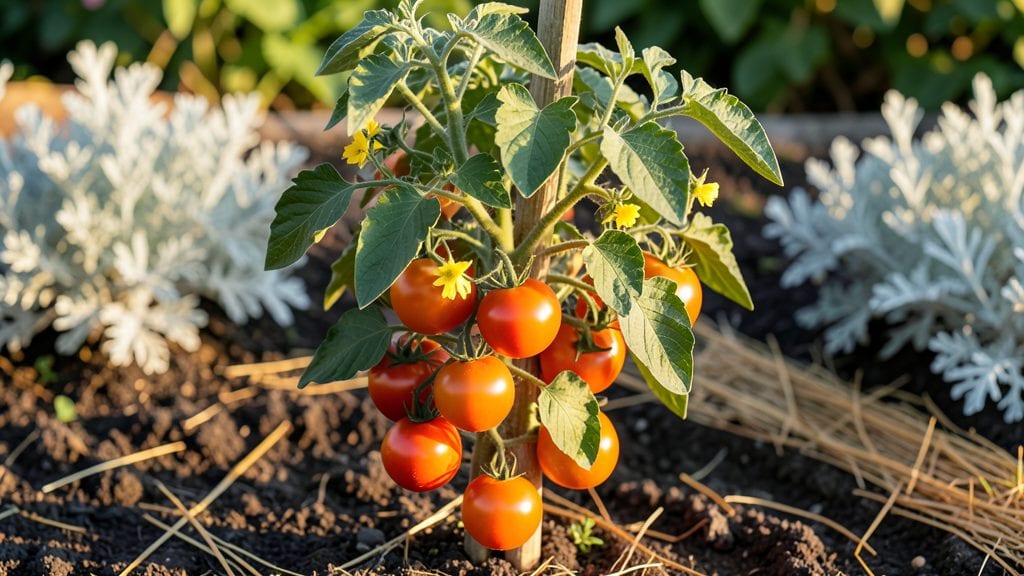
Growing litchi tomato plants is like having a year-round candy shop in your garden—sweet, juicy, and impossible to resist once you try them. 🌱 These fast-growing vines produce tomatoes that taste like a cross between cherry tomatoes and tropical fruit, and they ripen earlier than most varieties.
I planted mine last spring, and by midsummer, I was harvesting clusters of bright red, grape-sized tomatoes that stopped me in my tracks with their flavor.
The secret to their speed isn’t complicated—just full sun, well-draining soil, and consistent watering. Litchi tomatoes thrive in 5-6 foot tall cages or trellises, so they don’t sprawl everywhere.
They’re also disease-resistant, which means fewer headaches and more time enjoying the harvest. Even if you’ve struggled with tomatoes before, these vines are forgiving and productive.
By late summer, you’ll be snipping clusters of ripe tomatoes straight off the vine—no waiting for a single giant fruit. The flavor is bursting with sweetness, almost like a tropical treat, and they’re perfect for snacking, salads, or preserving.
Plus, they keep producing well into fall if you give them the right care.
Works in containers or in-ground, and they’re especially great for small spaces or urban gardens. Here’s how to get started with these fast-growing, flavor-packed vines—your taste buds will thank you.
📚 In This Guide
- What you need
- Instructions
- Tips and common mistakes
- Wrapping up and next steps
What you need
- ● Litchi Tomato Seeds or Seedlings: 3–5 seeds (if starting from scratch) or 1–2 healthy seedlings (for faster growth).
- ● Choose Solanum lycopersicum var. cerasiforme (the litchi tomato variety) for that unique flavor!
- ● Growing Containers or Garden Bed: Containers: 5–10 gallon pots (with drainage holes) per plant. Use fabric pots for better aeration.
- ● Garden Bed: A sunny spot with well-draining soil (6+ hours of sunlight daily).
- ● High-Quality Potting Mix: 1–2 bags of organic, well-draining mix (e.g., 60% peat moss, 30% perlite, 10% compost).
- ○ Optional: Add 1 cup of worm castings per pot for extra nutrients.
- ● Support System: Trellis, tomato cage, or sturdy stakes (4–6 ft tall) to guide the vines upward.
- ● Hand trowel or small shovel
- ● Watering can or hose with a gentle spray nozzle
- ● Pruning shears (for trimming and harvesting)
- ○ pH testing kit (optional but helpful—ideal range: 6.0–6.8)
- ● Fertilizer (balanced 10-10-10 or organic options like fish emulsion)
- ● Warmth: Litchi tomatoes thrive in temperatures between 70–85°F (21–29°C)—wait until all frost risk has passed!
- ● Sunlight: A south-facing window or outdoor spot with full sun exposure.
- ● Patience: These vines grow fast (up to 10 ft in a season!) but need consistent care.
Step-by-Step instructions for growing litchi tomato plants
Here’s how to cultivate these vibrant, sweet vines with minimal fuss—ready for harvests in just 60 days.
🌱 Step 1: Start Seeds Indoors for a Head Start
Litchi tomatoes thrive when given a jump on the season. Plant seeds 8-10 weeks before your last frost date in 2-3 inch deep biodegradable pots filled with sterile seed-starting mix. Press each seed ¼ inch deep and cover lightly with additional mix—don’t bury them deeper, or they’ll struggle to emerge.
Place pots in a warm spot (ideal germination temperature is 75-85°F) under a humidity dome or plastic wrap. Keep the soil consistently moist but not soggy—water from the bottom if possible to avoid disturbing seeds. You’ll see sprouts in 7-14 days, though cooler rooms may take longer.
☀️ Step 2: Provide Bright Light Immediately After Germination
The moment those first true leaves appear, move seedlings to a sunny windowsill or under grow lights for 14-16 hours daily. Litchi tomatoes grow fast but need intense light to prevent leggy, weak stems. Position lights 2-4 inches above the plants and raise them as seedlings grow to maintain that gap.
Watch for signs of light stress: if leaves turn pale or stems stretch excessively, your light source is too far away. Rotate pots a quarter turn daily so plants grow straight and sturdy. Strong seedlings will have thick stems and dark green leaves spaced closely together.
🪴 Step 3: Transplant Outdoors After Hardening Off
Two weeks before your last frost, begin hardening off seedlings by placing them outside in a sheltered spot for 1-2 hours the first day. Gradually increase outdoor time over 10-14 days, ending with full sun exposure. Transplant after all danger of frost has passed, spacing plants 18-24 inches apart in well-draining soil.
Dig a hole slightly deeper than the seedling’s root ball and firm soil around the base to eliminate air pockets. Water deeply at the base to encourage root establishment. Mulch with 2-3 inches of organic mulch to retain moisture and suppress weeds—this is especially critical in hot climates where soil dries quickly.
✂️ Step 4: Prune and Support for Maximum Yield
Litchi tomatoes produce prolifically but benefit from strategic pruning. Remove suckers (the small shoots that form in the leaf axils) when they’re 2-3 inches long to direct energy to fruit production. Leave 1-2 main stems per plant for best airflow and sunlight penetration.
Install sturdy cages or trellises at planting time—these vines can reach 6 feet tall and need support to prevent sprawling. Prune any yellow or diseased leaves immediately to prevent spread. You’ll notice fruit set within 4-6 weeks after transplanting, with clusters ripening in 2-3 weeks.
💧 Step 5: Water and Fertilize for Continuous Harvests
Water deeply 1-2 times weekly, aiming for 1 inch of water per week, and more during fruiting. Avoid wetting leaves to prevent disease. Fertilize every 3-4 weeks with a balanced organic fertilizer (10-10-10) to maintain vigor. Reduce nitrogen as fruit sets—too much greenery means fewer tomatoes.
Harvest when fruit turns deep red and yields slightly to gentle pressure. Pick regularly to encourage more production. With proper care, you’ll enjoy harvests for 6-8 weeks per plant, and saved seeds can restart the cycle the following year.
Tips & tricks for perfect litchi tomato plant growth
Fast-growing vines need precise care to hit that 60-day harvest promise—here's how to optimize every step without sacrificing quality.
Germination Temperature: The 75-85°F range is critical for consistent germination, but don't panic if your home runs cooler. Place pots on top of your fridge or near a sunny window with a clear plastic bag to create a mini greenhouse effect. I've had success with germination at 70°F when using a heat mat under the pots—just monitor soil moisture closely as warmer temps dry out faster.
Lighting Strategy: Those 14-16 hours of daily light in Step 2 are non-negotiable for preventing leggy seedlings. If natural light isn't sufficient, LED grow lights are most energy-efficient—position them just 2-4 inches above the plants and adjust as they grow. Real talk: I killed my first batch by keeping them too far away, so use a ruler to measure the distance daily. The goal is bright, compact seedlings with dark green leaves.
Transplanting Timing: The 10-14 day hardening off period in Step 3 is your plant's boot camp for outdoor survival. Start with just 1-2 hours on day one, then increase by 30-60 minutes daily. Watch for wilting—this means they're adjusting too quickly. Pro tip: Harden off in the morning when temps are cooler, and bring plants back indoors before afternoon heat stress sets in.
Pruning Precision: When removing those 2-3 inch suckers in Step 4, use clean pruners and make cuts at a 45-degree angle just above a leaf node. This technique prevents disease entry points while encouraging new growth. I've found that leaving just 1 main stem actually produces larger fruit clusters—don't be afraid to be aggressive with pruning when plants are young. The key is maintaining that open canopy for airflow.
Pro Tips for Litchi Tomato Plant
- Fast-growing vines need precise care to hit that 60-day harvest promise—here's how to optimize every step without sacrificing quality.
- Germination Temperature: The 75-85°F range is critical for consistent germination, but don't panic if your home runs cooler.
- Lighting Strategy: Those 14-16 hours of daily light in Step 2 are non-negotiable for preventing leggy seedlings.
Frequently asked questions
Got questions about growing litchi tomato plants? You’re not alone! Here are some of the most common concerns—plus quick, practical answers to help you succeed.
How fast do litchi tomato plants grow compared to regular tomatoes?
Litchi tomatoes grow much faster than traditional varieties! While standard tomatoes take 60–90 days to fruit, litchi tomatoes often produce ripe fruit in just 45–60 days from transplant. Their rapid growth makes them perfect for container gardening or short-season climates.
When is the best time to plant litchi tomato seeds indoors?
Start seeds indoors 8–10 weeks before your last frost date for a head start. Since litchi tomatoes thrive in warm soil, wait until nighttime temps stay above 50°F (10°C) before transplanting outdoors. A heat mat can speed up germination if your home is chilly!
Can I grow litchi tomatoes in containers, and what size pot do I need?
Litchi tomatoes are ideal for containers. Use a pot at least 12–18 inches deep with drainage holes to prevent root rot. A 5-gallon bucket works well for 1–2 plants. Just ensure they get 6+ hours of sunlight daily and stake them as they grow.
Why are my litchi tomato leaves turning yellow, and how do I fix it?
Yellowing leaves often signal overwatering, nutrient deficiency, or pests. Check soil moisture—litchi tomatoes prefer consistently moist but not soggy soil. Feed with a balanced fertilizer (like 10-10-10) every 2–3 weeks. If pests (like aphids) are the culprit, spray with neem oil or insecticidal soap.
Are litchi tomatoes good for succession planting?
Yes! Their fast growth cycle makes them perfect for succession planting. After harvesting, prune spent plants and replant new seeds every 2–3 weeks until your first frost. This ensures a near-continuous harvest all season long!
What’s a good alternative if litchi tomatoes don’t thrive in my climate?
If your area is too cool or humid, try ‘Sweet 100’ cherry tomatoes or ‘Sun Gold’ hybrid tomatoes—both are fast-growing and productive. For heat tolerance, ‘Heatmaster’ or ‘Solar Fire’ tomatoes are excellent substitutes with similar sweetness.
Wrapping up and next steps
Growing litchi tomato plants is a rewarding adventure that brings vibrant flavors and lush greenery to your garden year-round! With their fast growth, compact vines, and sweet-tart fruit, these plants are perfect for both beginners and seasoned gardeners.
Whether you're adding them to containers, raised beds, or your backyard, their versatility makes them a must-try for any plant enthusiast.
Now that you’re equipped with the how-to, tips, and answers to common questions, it’s time to roll up your sleeves and plant! Start small—try a few vines in pots or a dedicated patch—and watch your harvest grow. Happy gardening! 🌱✨