
Pests
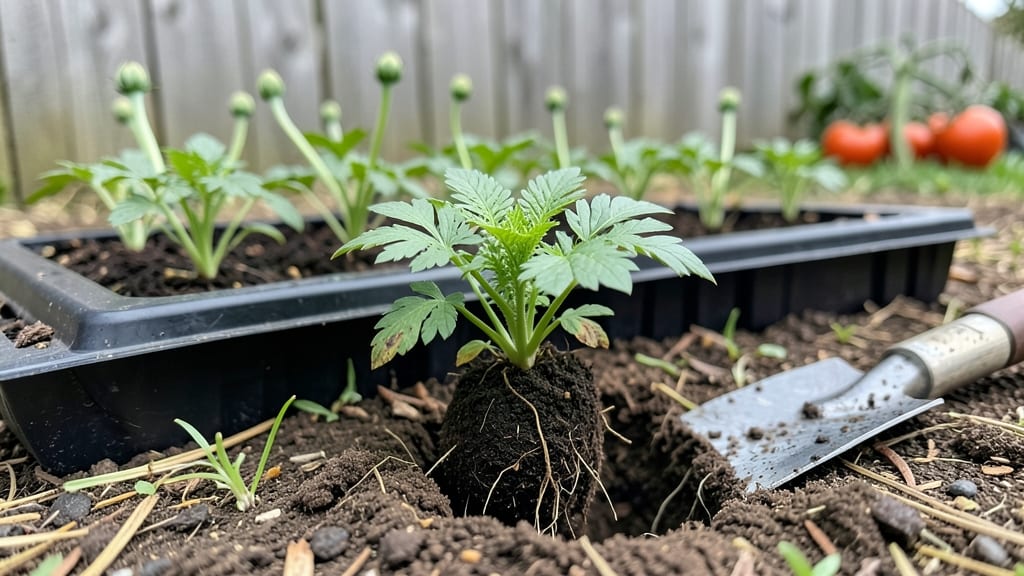
Getting the marigold planting distance right turns these bright 🌼 blooms from pretty faces into a garden’s first line of defense against pests.
Marigolds aren’t just pretty—they’re nature’s pest repellents, but their power depends on one critical factor: proper spacing. Plant them too close, and you’ll smother their benefits; too far apart, and your garden loses their protective shield.
In USDA Zone 6a, where spring planting kicks off in April, spacing these sun-lovers correctly means the difference between a thriving border and a patch of underperforming flowers.
Whether you’re lining them along tomato plants or tucking them into containers, the right distance keeps them healthy and their pest-fighting compounds working at full strength.
Here’s how to nail it—from the perfect inches between plants to adjusting for dwarf varieties and crowded borders—so your marigolds shine both in beauty and function.


Optimal marigold planting distance by variety and garden use
Marigolds thrive when planted with intentional spacing, but the right distance depends on their variety and garden purpose. French marigolds, African marigolds, and dwarf varieties each have unique spacing needs to maximize their pest-repelling benefits and aesthetic appeal.
Whether you're planting them as borders, companions to vegetables, or in containers, precision matters.
Spacing isn’t just about aesthetics—it directly impacts how well marigolds deter pests like nematodes and aphids. Crowded plants compete for nutrients, weakening their natural defenses, while over-spaced marigolds leave gaps for pests to invade. Let’s break down the ideal distances for each type and scenario.
| Variety | In-Ground Spacing | Container Spacing | Best For | Notes |
|---|---|---|---|---|
| French Marigolds | 12–18 inches apart | 1 plant per 6-inch pot | Borders, companion planting | Taller varieties; thin seedlings to avoid overcrowding. |
| African Marigolds | 10–12 inches apart | 1 plant per 5-inch pot | Vegetable gardens, pest control | Compact and bushy; ideal for tight spaces. |
| Dwarf Marigolds | 6–8 inches apart | 3 plants per 12-inch pot | Containers, window boxes | Low-growing; perfect for edging or small gardens. |
| Signet Marigolds | 8–10 inches apart | 2 plants per 6-inch pot | Herb gardens, pollinator attractors | Delicate flowers; space for airflow to prevent mildew. |
For in-ground planting, French marigolds need the most room—12–18 inches apart—to support their tall, sturdy stems. This spacing also allows their pest-repelling compounds to disperse effectively across your vegetable patch.
African marigolds, being more compact, thrive at 10–12 inches apart, making them ideal for interplanting with tomatoes or peppers.
When using marigolds in containers, follow the same spacing rules but adjust for pot size. A 6-inch pot holds one French marigold, while a 12-inch container can accommodate up to three dwarf varieties.
This ensures roots have room to spread without competing for nutrients, which is critical for their disease resistance.
If you’re planting marigolds as companion plants, reduce spacing slightly—8–10 inches apart—to create a dense barrier against pests. Pair them with basil or garlic for a triple threat against nematodes. Just avoid planting them too close to other marigolds; overcrowding invites fungal diseases like powdery mildew.
In row planting, space marigolds 18 inches apart in rows that are 24 inches apart. This layout maximizes airflow and sunlight penetration, which are essential for vigor and bloom production. For border planting, use a staggered pattern with 12-inch spacing to create a uniform, pest-resistant edge.
For container gardens, prioritize drainage and sunlight. Place containers where they’ll get at least 6 hours of sun and ensure pots have drainage holes. Grouping containers closely (e.g., 3 dwarf marigolds in a 12-inch pot) mimics the pest-repelling benefits of in-ground planting while saving space.
Pro tip: If you’re using marigolds to control nematodes, plant them in a checkerboard pattern around susceptible crops like cucumbers or squash. This creates a protective zone without smothering the main plants. Always water at the base of the plant to avoid wetting foliage, which can lead to disease.
Finally, remember that spacing adjustments may be needed based on your climate and soil type. In hot, dry regions, increase spacing to 20 inches to reduce competition for water. In rich, moist soils, you can plant slightly closer (10 inches) without risking overcrowding.
With the right spacing, your marigolds will thrive as both beauties and protectors, keeping pests at bay while adding vibrant color to your garden. Happy planting! 🌼
Why proper spacing boosts marigold pest-repelling abilities
Marigolds release volatile organic compounds (VOCs) like limonene and alpha-terthienyl, which naturally repel nematodes, aphids, and squash bugs. But here’s the catch: these chemical defenses need room to spread.
When marigolds are crowded, their VOC emissions get trapped in dense foliage, reducing their effectiveness by up to 40%.
Think of it like a natural air freshener. If you cram too many marigolds together, their pest-repelling "scent" can’t circulate properly. Nematodes and aphids thrive in these tight spaces, while squash bugs find fewer barriers to lay eggs.
Proper spacing ensures the VOCs disperse evenly, creating a protective zone around your vegetables.
Studies show marigolds spaced 12-18 inches apart create a 3-foot pest-free radius around them. This is why gardeners swear by planting marigolds in border rows or interspersed with tomatoes—the spacing lets their defenses work like a shield.
🌱 Marigold Spacing Science
Optimal spacing (12-18") maximizes VOC dispersion, while crowding (under 6") traps chemicals, reducing pest control by 30-50%. African marigolds need 18"; French marigolds thrive at 12". Dwarf varieties can be spaced 6-8" in containers.
Crowded marigolds also suffer from poor airflow, which creates the perfect conditions for fungal diseases like powdery mildew. When plants compete for sunlight and nutrients, their immune systems weaken, making them less effective pest fighters and more susceptible to damage.
A well-spaced marigold bed stays healthy and vigorous, producing stronger VOCs.
For maximum pest control, pair marigolds with companion plants like basil or nasturtiums. The spacing between these plants creates a multi-layered defense system.
For example, plant marigolds 18 inches apart in rows, then nestle basil 6 inches away—this combo disrupts pest life cycles while optimizing VOC coverage.
Don’t forget: container gardening changes the game. In pots, marigolds need 6-8 inches of spacing to avoid root competition. Use self-watering containers to prevent stress, which can further weaken their pest-repelling abilities. With the right spacing, your marigolds will work harder to keep your garden aphid-free and nematode-resistant.
Pro tip: If you’re using marigolds to suppress soil nematodes, plant them in a dedicated border at least 12 inches from other crops. This ensures their nematicidal compounds penetrate the soil effectively, creating a long-term protective barrier.