
Watering
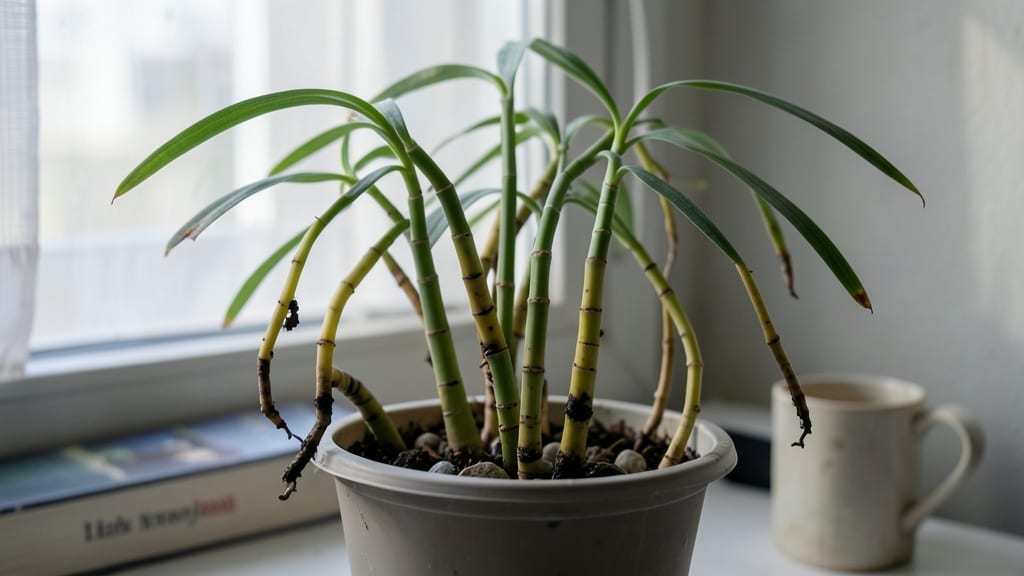
Overwatered bamboo plants are a heartbreaking sight—yellowing leaves, mushy stems, and that unmistakable rot smell. 🌱 I’ve nursed more than my share back from the brink, and the key always starts with stopping the water.
The second you notice soggy soil or wilting fronds, action is your best friend. This isn’t about guesswork; it’s about cutting off the rot at the source and giving your plant a fighting chance.
Here’s the thing—bamboo hates wet feet. Most people think more water equals happier plants, but the truth is, root rot sets in within days of overwatering. You’ll need to adjust your routine, upgrade the soil mix, and maybe even swap out the pot for one with drainage holes.
The good news? Bamboo’s tough—once you get the watering right, it bounces back faster than you’d expect. I’ve seen plants recover in as little as two weeks with the right care.
By the end of this, your bamboo will be standing tall again with vibrant green fronds and a sturdy base. You’ll learn how to check soil moisture like a pro, spot the early warning signs of overwatering, and keep your plant thriving long-term.
Let’s get that soil drying out properly—your bamboo’s survival depends on it.
Works for both indoor pots and outdoor clumps, whether you’re dealing with running bamboo or the clumping variety. The principles stay the same: drainage, patience, and a light touch with water. Ready to turn things around?
How Too Much Water Triggers Trouble
Bamboo plants—whether running, clumping, or dwarf varieties—thrive in moist but well-drained soil. When water accumulates excessively, it creates a perfect storm for root rot and other stress signals.
Let’s break down the core reasons your bamboo is drowning in its own pot (or garden bed) and how science explains the damage.
Bamboo roots need oxygen to respire, just like we need air. When soil stays waterlogged due to:
- Clay-heavy soil: Dense clay traps water like a sponge, suffocating roots. Test it: Dig a hole, fill it with water, and time how long it drains. If it takes <6 hours, your soil is too compact.
- Improper containers: Pots without drainage holes act as bathtubs. Even "self-watering" pots can over-saturate if not monitored.
- Mulch overload: Thick mulch (like wood chips) can block air and water flow near the base. Rule of thumb: Keep mulch 2–3 inches away from the stem.
💡 Pro Tip: Amend clay soil with perlite or coarse sand (20% mix) to improve aeration. For pots, elevate them on feet or saucers to prevent water pooling.
Bamboo’s tolerance for moisture doesn’t mean it’s drought-proof. Common watering mistakes include:
- Ignoring the "finger test": Stick your finger 2 inches into the soil. If it’s damp, wait. If it’s dry, water until it runs out the drainage holes.
- Scheduled watering: Bamboo needs consistent moisture, not a schedule. Factors like humidity, season, and pot size change its needs.
- Using ice cubes or misting: These methods add surface moisture but don’t hydrate the roots. Deep watering (until water exits the bottom) is key.
⚠️ Warning: Running bamboo (like Phyllostachys) is more sensitive to overwatering than clumping types. Adjust frequency accordingly.
Bamboo roots spread aggressively, but overcrowded roots compete for oxygen and nutrients, worsening water retention. Signs of root stress:
- Pot-bound roots: Roots circling the container or growing out of drainage holes signal it’s time to repot into a larger, well-draining vessel.
- Thatch buildup: Dead organic matter (thatch) in the soil blocks water and air flow. Solution: Gently rake the top 1–2 inches of soil annually.
- Improper spacing in gardens: Planting bamboo too close to trees or structures can create shaded, waterlogged zones. Space clumping bamboo 3–5 feet apart; running types need 6+ feet.
🔥 Quick Fix: If repotting isn’t an option, trim congested roots (sterilized shears!) and refresh the topsoil with a 50/50 mix of potting soil and perlite.
Bamboo doesn’t live in a vacuum—its surroundings dictate how it handles water. Watch for:
- High humidity + poor airflow: Tropical bamboo loves humidity, but stagnant air (like in greenhouses or enclosed patios) traps moisture around leaves and soil.
- Seasonal slowdowns: In winter, bamboo’s growth slows, reducing water needs. Cut back to 50% of summer watering.
- Flooding or rain shadows: Low-lying garden areas or spots under eaves can become permanently soggy. Install French drains or raised beds if needed.
🌡️ Temperature Check: Bamboo in USDA Zones 5–9 may need less water in heatwaves (soil dries faster) but more in cold snaps (roots stay chilled and inactive).
Each of these factors—drainage, watering habits, root health, and environment—can silently sabotage your bamboo. The good news? Once you identify the real cause, fixing it is often as simple as adjusting one variable. Stay tuned for our next section on spotting the signs before rot sets in!
Revive Your Drowning Bamboo Now
Overwatered bamboo plants can feel like a lost cause, but with the right steps, you can nurse them back to health—even if they’re already showing signs of root rot. The key is acting fast, diagnosing the damage, and giving your plant the care it desperately needs.
Below, we’ll break down the cause-specific fixes to rescue your bamboo, along with prevention tips to keep it thriving long-term.
The first rule of revival? Cut off the excess water. Keep your bamboo out of standing water, and avoid watering until you’ve assessed the damage. Let the soil dry out slightly before taking further action.
Before diving into fixes, check the severity of the issue. Gently remove your bamboo from its pot (if potted) and inspect the roots:
- Healthy roots are firm, white, or light tan.
- Rotten roots are mushy, dark brown/black, and may smell foul.
H3: 🚨 If Roots Are Mostly Healthy (Early Overwatering) Your bamboo is likely just waterlogged. Here’s how to fix it:
- 🔥 Drain & Aerate the Soil
- Remove the plant from its pot and let excess water drain completely.
- Loosen compacted soil with your fingers or a fork to improve airflow.
- If in a garden bed, create shallow trenches around the base to help excess water escape.
- 🌡️ Adjust Watering Habits
- Wait until the top 1–2 inches of soil are dry before watering again.
- Use the "finger test"—stick your finger in the soil; if it’s damp, wait.
- Water deeply but less often—bamboo prefers moisture but hates soggy conditions.
- ✨ Boost Drainage
- Repot in a container with drainage holes if it’s currently in one without.
- Mix in perlite, sand, or orchid bark (20–30%) to improve soil aeration.
H3: ⚠️ If Roots Are Rotting (Advanced Damage) Root rot is serious, but your bamboo can still recover with urgent care:
- 🔪 Trim the Rotten Roots
- Sterilize pruning shears with rubbing alcohol.
- Cut away black, mushy roots with clean cuts.
- Keep only firm, white roots—they’ll regrow faster.
- 🧼 Disinfect the Plant
- Rinse the roots under lukewarm water to remove excess soil and bacteria.
- Soak the roots in a 1:10 hydrogen peroxide solution (or a fungicide like copper fungicide) for 10 minutes to kill pathogens.
- 🌿 Repot in Fresh, Dry Soil
- Use a well-draining potting mix (avoid heavy clay soil).
- Add a layer of gravel or charcoal at the bottom of the pot for extra drainage.
- Water lightly only after repotting—wait 3–5 days before normal watering.
Once your bamboo is on the mend, keep these habits to avoid overwatering again:
- 📅 Water on a Schedule
- Stick to a biweekly watering routine (adjust for climate—hotter = more frequent).
- Morning watering is best—it gives excess moisture time to evaporate.
- 🏺 Choose the Right Pot
- Terracotta pots dry out faster than plastic—ideal for bamboo.
- Ensure multiple drainage holes at the bottom.
- 🌧️ Monitor Weather & Season
- Winter: Reduce watering—plants need less in cooler months.
- Rainy season: Move potted bamboo under cover to prevent over-saturation.
- 🌱 Mulch Wisely
- Use organic mulch (straw, wood chips) to retain moisture but keep it 2–3 inches away from the stem to prevent rot.
- 🌿 Prune for Airflow
- Trim overcrowded leaves or stems to improve air circulation around the plant.
With proper care, you’ll see signs of improvement in 2–4 weeks:
- New growth at the base.
- Firmer stems and brighter leaves.
- Less yellowing or wilting.
If your bamboo still struggles after a month, it may need more drastic measures (like propagating healthy cuttings) or could be beyond saving. But don’t give up—many overwatered bamboo plants bounce back with patience!
💬 Pro Tip: Keep a plant journal to track watering habits. Note when you water, how much, and how the soil feels—this helps you spot patterns before problems arise!
Frequently asked questions about reviving overwatered bamboo
How do I know if my bamboo has root rot from overwatering?
Check the roots—healthy ones are firm and light-colored, while rotted roots are mushy, dark brown/black, and may smell foul. If you see yellowing leaves or wilting despite moist soil, that’s another red flag. Act fast by trimming affected roots and repotting in fresh, well-draining mix.
Can I save bamboo with completely black, mushy roots?
It depends on how much healthy root remains. If there’s still some firm white root, trim the rotten parts, disinfect with hydrogen peroxide, and repot in dry, well-draining soil. Give it time—new roots will grow from the healthy base. If no healthy roots remain, propagation from healthy stems may be your best option.
Why does my bamboo keep getting overwatered even when I stop?
Clay soil or containers without drainage holes trap moisture. Test your soil’s drainage by filling a hole with water—if it takes over 6 hours to drain, amend with perlite or sand. Terracotta pots dry out faster than plastic, and raised beds prevent water pooling. Adjust your watering routine to wait until the top 2 inches of soil are dry.
Is it better to underwater than overwater bamboo?
Bamboo tolerates brief dry spells better than soggy conditions. While underwatering causes wilting, overwatering leads to irreversible root rot. Aim for consistently moist (not soggy) soil—water deeply when the top 1–2 inches feel dry. Mulch helps retain moisture without suffocating roots.
How long does it take for bamboo to recover from overwatering?
With proper care, you’ll see improvement in 2–4 weeks. Watch for new growth at the base, firmer stems, and brighter leaves. If no progress occurs after a month, reassess drainage, soil mix, or consider propagating healthy cuttings. Patience is key—bamboo is resilient but needs time to bounce back.