
Watering
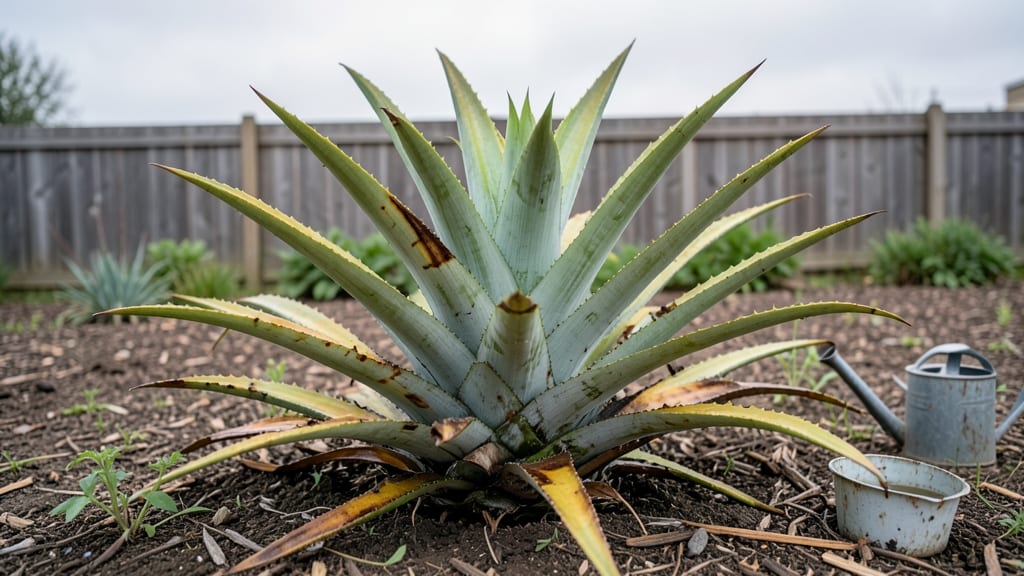
An overwatered pineapple plant can look like a sad, droopy mess—but I’ve brought back plenty of them with just a few simple steps. 🌱 The first time I saw a pineapple plant recover from root rot, I knew this was the trick everyone needed.
Yellowing leaves, mushy stems, and that heavy, soggy soil? Those are the red flags that mean your plant needs a reset, not more water.
Here’s the thing—pineapples store water in their leaves, so they actually prefer dry soil between waterings. When roots sit in wet conditions, they suffocate and rot, cutting off the plant’s lifeline.
The good news is that recovery starts with letting the soil dry out completely, then repotting into fresh, well-draining mix. I’ve saved plants that looked beyond hope just by giving them a chance to breathe.
You’ll see new growth within weeks if you catch it early. The leaves will perk up, the stem will firm up, and—most exciting—the plant will start sending out those signature spiky pups.
That’s your sign it’s back on track. The key is adjusting your watering routine now so this never happens again.
This works for both indoor and outdoor plants, though container-grown pineapples need extra care in humid climates. Once you’ve mastered the balance, you’ll have a thriving plant that produces fruit in 2-3 years. Let’s get those roots breathing again!
Why Roots Suffocate in Soil
Understanding why your pineapple plant gets overwatered starts with its roots—and how they hate soggy conditions. Pineapples (like most tropical plants) are xerophytic, meaning they’ve evolved to thrive in well-draining, slightly dry environments.
When water lingers, roots can’t breathe, leading to a cascade of problems. Let’s break down the real culprits behind this common mistake.
Pineapple plants despise sitting in wet soil because their fibrous roots need oxygen to function. If your pot lacks drainage holes or the soil retains moisture like a sponge, water pools at the bottom instead of draining away.
Over time, this creates an anaerobic (oxygen-deprived) zone, where roots: - Suffocate (literally—without oxygen, they can’t absorb nutrients). - Rot (fungi and bacteria thrive in soggy conditions, attacking root tissue). - Stress the plant, triggering yellowing leaves or mushy stems.
Actionable fix: Use cactus or volcanic pumice mix (60% mineral grit, 40% peat-free soil) and always add drainage holes to pots.
Many gardeners water on a schedule—but pineapples don’t follow calendars. Their water needs depend on:
- Pot size (smaller pots dry faster).
- Humidity (high humidity = slower evaporation).
- Season (hotter months = more frequent watering).
Signs you’re overwatering:
- Topsoil stays damp for days after watering.
- Leaves feel squishy (not crisp).
- Yellowing at the base (root rot’s first warning).
Pro tip: Stick your finger 1–2 inches deep—if it’s wet, wait. Use a moisture meter for precision.
Clay-heavy or garden soil compacts easily, turning into a waterlogged brick. Pineapple roots need air pockets to breathe, but dense soil:
- Blocks oxygen flow, slowing growth.
- Traps salts from fertilizers, burning roots.
- Encourages fungal diseases (like Phytophthora, a root-killing pathogen).
Solution: Amend soil with perlite, coconut coir, or orchid bark (20–30% by volume) to improve aeration.
In cool or rainy seasons, soil stays wet longer because:
- Evaporation slows (less heat = slower drying).
- Humidity reduces transpiration (plant "sweating" decreases).
Result? Roots stay soggy for days or weeks, accelerating rot. If you’re in a temperate climate, reduce watering by 30–50% in winter.
Pineapples are succulent-adjacent—they store water in their leaves and stems. Unlike houseplants, they prefer thirst over hydration. Overwatering tricks them into:
- Growing weak, leggy leaves (a sign of stress).
- Dropping pups (baby plants) prematurely.
- Developing brown, crispy leaf tips (a classic overwatering symptom).
Key rule: Let the soil dry completely between waterings. If you’re unsure, underwater slightly—pineapples bounce back faster than they drown.
💡 Quick Fix Summary: ✅ Drainage holes = Non-negotiable. ✅ Check soil moisture before watering. ✅ Light, gritty soil > heavy garden soil. ✅ Adjust for climate (less water in winter). ✅ Observe leaves (yellow = rot, brown = thirst).
Fixing an Overhydrated Pineapple Plant
Now that you’ve pinpointed the signs of an overwatered pineapple plant (🌱💦), it’s time to take action! The good news? With the right steps, you can nurse your plant back to health and prevent future soggy soil disasters.
Below, we’ve mapped out practical solutions based on the root cause of your plant’s distress—plus, some pro tips to keep it thriving.
Your first move? Cut off the water—no more H₂O until the soil dries out. Pineapples are succulents at heart and hate sitting in wet conditions. Overwatering suffocates roots, leading to rot and fungal growth. Let the soil dry completely before watering again.
Pro Tip: 💡 If your pineapple is in a pot, lift it to check soil weight. Dry soil feels light; soggy soil feels heavy. Stick your finger in—if it’s damp past 1–2 inches, wait longer.
Poor drainage is often the villain behind overwatering. Here’s how to fix it:
🔧 For Potted Pineapples:
- Repot if needed: If the soil is compacted or lacks drainage holes, transfer your pineapple to a terracotta or fabric pot (they breathe better) with fresh, well-draining mix.
- Add perlite or sand: Amend heavy soil with perlite, pumice, or coarse sand (20–30%) to improve aeration.
- Check the container: Ensure pots have drainage holes—no exceptions!
Elevate pots on saucers to catch excess water.
🏡 For In-Ground Pineapples:
- Raise the bed: If planted in clay-heavy soil, create a slight mound or use raised beds to encourage runoff.
- Mulch wisely: Use straw or pine bark mulch (2–3 inches thick) to regulate moisture—but keep it away from the stem to prevent rot.
If your pineapple’s roots are mushy or black (😬), they’re likely rotting. Don’t panic—you can still save it!
🔪 Trim the Damage:
- Gently remove the plant from its pot and rinse the roots with water to see the extent of rot.
- Use sterilized scissors to snip off any black, mushy roots—healthy roots are firm and white/tan.
- Dust the cuts with cinnamon powder (natural antifungal) or hydrogen peroxide (3%) to prevent infection.
🌱 Repot with Fresh Soil:
- Place the trimmed plant in a clean pot with fresh, sterile potting mix (cactus/succulent blend).
- Water lightly only after a few days to let minor wounds heal.
Pineapples need consistent moisture but hate soggy conditions. Follow this schedule:
| Season | Watering Frequency | How to Check |
|---|---|---|
| Spring/Summer | Every 7–10 days | Soil should dry 2–3 inches deep |
| Fall/Winter | Every 2–3 weeks | Soil should be completely dry |
Pro Tip: 🌡️ Water in the morning to allow excess moisture to evaporate. Avoid evening watering—it traps humidity around the plant.
Once your pineapple is back on track, keep these habits to avoid overwatering again:
- Use the "Finger Test": Always check soil moisture before watering. Stick your finger in—if it’s damp, wait. - Choose the Right Soil: A fast-draining mix (60% cactus soil, 30% perlite, 10% worm castings) is ideal. - Monitor Humidity: Pineapples thrive in 40–60% humidity.
Use a hygrometer or group plants together to maintain balance. - Watch for Signs Early: Yellow leaves or mushy stems? Act fast—catching overwatering early is easier to fix!
While fixing drainage and watering, give your pineapple a boost with:
- Bright, indirect light (6+ hours daily). Move it near a south- or west-facing window.
- Good airflow (but no cold drafts). A small fan on low can help prevent fungal issues.
With these steps, your pineapple should bounce back in 4–6 weeks—just give it time and patience! 🌿✨ Once it’s recovered, enjoy watching those sweet, spiky rewards grow.
Frequently asked questions
How do I know if my pineapple plant is overwatered?
Check for yellowing leaves, especially at the base, and mushy stems. Lift the pot—if it feels heavy from soggy soil, that’s a red flag. Healthy pineapples have crisp leaves and dry soil 2-3 inches deep between waterings.
Can I save a pineapple plant with root rot?
Yes! Gently remove the plant, trim any black/mushy roots with sterilized scissors, and repot in fresh, drainage-heavy mix. Dust the cuts with cinnamon powder to prevent infection. Avoid watering for 3-5 days to let wounds heal.
What’s the best soil mix for pineapples?
Use a blend of 60% cactus soil, 30% perlite, and 10% worm castings for optimal drainage. Avoid garden soil—it compacts and traps moisture, suffocating roots. Terracotta pots help too!
How often should I water a recovering pineapple?
Wait until the soil is completely dry—stick your finger 2 inches deep. In summer, water every 7-10 days; in winter, every 2-3 weeks. Morning watering prevents fungal growth from trapped humidity.
Why do pineapple leaves turn brown at the tips?
This often signals overwatering or fluoride buildup from tap water. Use filtered water and reduce frequency. If tips stay crispy, it could also mean low humidity—try grouping plants together.