
Watering
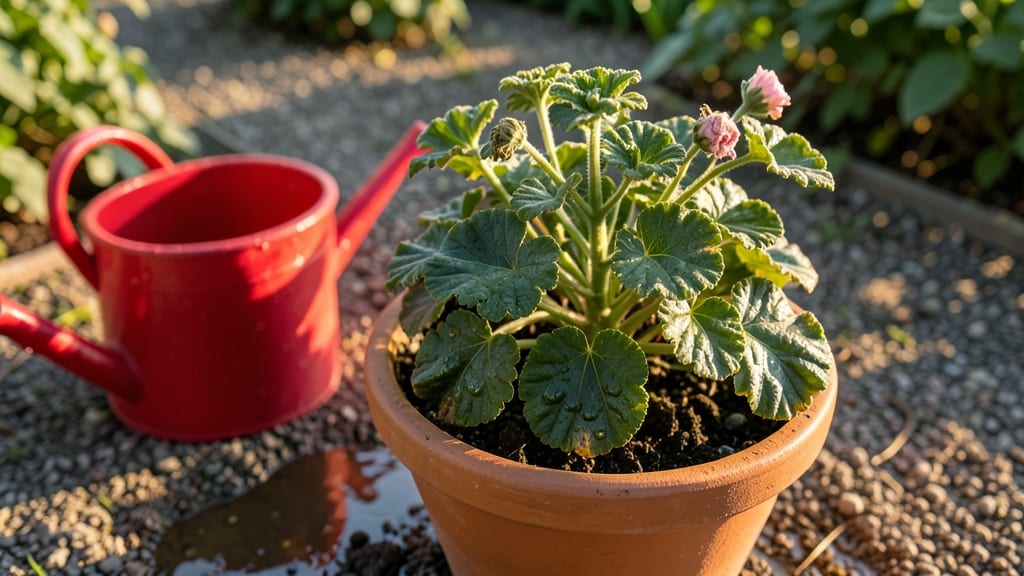
Those unsightly blisters on your plant leaves aren’t just ugly—they’re a cry for help from roots drowning in overwatered soil. 🌱 I’ve seen this edema mess ruin perfectly good tomatoes and peppers, but here’s the good news: with the right moves, you can turn things around in just a few days.
The key is acting fast before the damage spreads deeper.
Edema starts when roots can’t keep up with water intake, forcing leaves to swell and crack like overinflated balloons. Poor drainage, heavy clay soil, or watering on a schedule instead of checking moisture with your finger are usually to blame.
I’ve been there—my impatiens looked like they’d been attacked by something, but it was just too much love (literally). The fix isn’t complicated: prune the blistered leaves immediately, adjust your watering routine, and loosen that compacted soil.
Within a week, you’ll see new growth pushing through, leaves firming up, and roots breathing easier. The plants I’ve nursed back from edema now thrive with just a finger-dip moisture check before watering.
No more guessing—just healthy roots and happy leaves that actually look like they belong in a garden, not a science experiment gone wrong.
This works for container gardens, raised beds, or backyard plots—anywhere your plants are begging for better drainage. Let’s get those roots back in balance before the next watering mistake happens.
Root Causes Of Plant Stress
When your plants develop puffy, blistered leaves or water-soaked spots, the culprit is often a mismatch between water intake and the plant’s ability to process it. Edema—commonly tied to overwatering—isn’t just about too much H₂O; it’s a physiological breakdown when roots struggle to keep up with demand.
Let’s break down the science behind why this happens, so you can fix it fast.
Plants absorb water through their roots via osmosis, but when soil stays soggy, roots can’t efficiently regulate uptake. Here’s what goes wrong:
- Excessive turgor pressure: Roots continue pulling water even when leaves can’t transpire (release moisture) fast enough. This creates a backlog, forcing water into leaf cells until they burst like overfilled balloons.
- Clogged stomata: Humid conditions or dense foliage trap moisture, preventing leaves from "breathing" out water vapor. Stomata (tiny pores) close to conserve water, but this traps excess pressure inside.
- Weak root systems: Young plants, newly repotted specimens, or those recovering from root rot lack the vascular network to handle sudden water surges. Edema often appears as a warning sign before roots drown.
💡 Pro Tip: Test soil moisture with your finger—if the top 1–2 inches stay damp for >48 hours, your plant is at risk. Adjust watering before edema spreads.
Edema thrives in unpredictable environmental conditions, where plants can’t adapt quickly enough. Key triggers:
| Factor | Why It Causes Edema | Danger Zone |
|---|---|---|
| Nighttime watering | Cooler temps slow transpiration, but roots still absorb water. Leaves act as storage tanks until morning. | Below 60°F (15°C) after watering |
| High humidity | Moist air blocks stomata, forcing water to pool in leaf cells. Common in greenhouses or rainy seasons. | >70% humidity for >3 days |
| Cold roots, warm leaves | Uneven temps (e.g., potted plants on cold floors) disrupt the plant’s xylem flow, causing water to "leak" into leaf tissues. | Root-zone <10°F (5°C) warmer than leaves |
🌡️ Fix It: Water in the early morning (6–9 AM) when temps are rising and stomata are open. Use a hygrometer to monitor humidity—aim for 40–60% for most plants.
Even with "perfect" watering habits, soil structure can sabotage your plant’s health. Here’s how:
- Waterlogging: Containers without drainage holes or heavy clay soils trap water, suffocating roots. Anaerobic (oxygen-free) conditions force roots to overwork, pushing excess water upward.
- Compacted substrate: Repotting into soil with no perlite or sand creates a water barrier. Roots can’t spread, so they absorb aggressively—until leaves swell.
- Fungal blockages: Overwatered soil breeds Pythium or Phytophthora, which clog root cells. The plant’s "plumbing" fails, and water leaks into leaves.
✨ Soil Check: Gently squeeze a handful of moist soil—if it holds a temporary shape (like playdough), it’s too dense. Amend with 20–30% perlite or orchid bark to improve aeration.
Now that you know why edema strikes, the next step is how to stop it—before your plant’s leaves turn into a water balloon disaster. 🚀
Fixing Swollen Leaves Fast
Overwatered plant edema—those unsightly blisters and swollen leaves—can feel like a death sentence for your green friends. But don’t panic! With the right steps, you can reverse the damage, restore health, and prevent future outbreaks.
Below, we’ve mapped practical fixes to the most common causes of edema, along with prevention tips to keep your plants thriving.
Cause: Overwatering (the #1 culprit) leads to poor drainage, suffocating roots, and excess moisture trapped in leaves. Fix:
- 🔥 Let the soil dry out between waterings. Stick your finger 1-2 inches deep—if it’s damp, wait.
- 🍳 Use the "squeeze test" on leaves: Gently press a swollen area. If water oozes out, your plant is overhydrated.
- 👨🍳 Switch to bottom-watering (place the pot in a tray of water for 10-15 mins) to encourage roots to absorb only what they need.
- ⏰ Water in the morning to allow excess moisture to evaporate during the day.
Prevention Tip: 💡 Upgrade your pots—terracotta or containers with drainage holes prevent waterlogging.
Cause: Stagnant air and high humidity trap moisture on leaves, worsening edema. Fix:
- 🌬️ Increase airflow by spacing plants 3-6 inches apart and using a small fan (on low) near them.
- 🎯 Reduce humidity if your home feels like a greenhouse:
- Use a dehumidifier or air conditioner near problem plants.
- Avoid misting leaves—water at the base only.
- ✨ Prune crowded foliage to let air circulate freely.
Pro Tip: 🌡️ Group plants by needs—succulents and cacti hate humidity, while ferns thrive in it.
Cause: Severely blistered leaves can’t recover and may attract pests or disease. Fix:
- 🔪 Snip only the worst-affected leaves with sterilized scissors (wipe with rubbing alcohol).
- 🍃 Cut at a 45° angle just above a leaf node (the bump where new growth emerges).
- 🚫 Avoid over-pruning—remove no more than 20-30% of foliage at once to avoid stressing the plant.
Prevention Tip: 💡 Monitor new growth—if edema reappears on young leaves, your watering habits aren’t fixed yet.
Cause: Compacted or water-retentive soil suffocates roots, leading to edema. Fix:
- 🏗️ Repot if needed into a well-draining mix (add perlite, pumice, or orchid bark to regular soil).
- 🥗 Fluff the soil gently with a chopstick to break up compaction.
- 🍎 Avoid "wet feet"—ensure pots have drainage holes and elevate them on saucers (empty excess water after 30 mins).
Pro Tip: 🌱 Test your soil—if it stays soggy for hours, it’s too dense. Amend with coarse sand or coconut coir.
If your plant looks severely distressed (yellowing, wilting, or blackened spots):
- 🚨 Stop watering immediately and let the soil dry completely (3-5 days).
- 🧴 Apply a fungicide (like neem oil or copper spray) to prevent secondary infections.
- 🌿 Move to bright, indirect light—weak plants need extra energy to recover.
Warning: ❌ Never use aspirin or hydrogen peroxide on edema—these can burn leaves or disrupt soil pH.
Final Prevention Checklist: ✅ Water only when the top 1-2 inches of soil are dry. ✅ Use pots with drainage holes. ✅ Avoid misting leaves—water at the base. ✅ Prune regularly to improve airflow. ✅ Monitor humidity levels in your home.
With these steps, your plant should bounce back in 2-4 weeks—and those blisters? Gone for good! 🌿💚
Frequently asked questions
What do swollen leaves on my plant actually mean?
Those puffy, blister-like spots are called edema—a sign your plant’s roots absorbed more water than its leaves could process. The excess moisture gets trapped in leaf cells, causing them to swell like overinflated balloons. It’s not just overwatering, though—humidity, poor airflow, or compacted soil can trigger it too.
Can I save a plant with severe edema?
Yes! Start by pruning all blistered leaves with sterilized scissors and let the soil dry completely for 3-5 days. Move the plant to bright, indirect light and avoid misting. Most plants recover within 2-4 weeks if you adjust watering habits and improve airflow.
Why does edema happen more in humid climates?
High humidity clogs stomata (leaf pores), preventing water vapor from escaping. When leaves can’t "breathe," excess moisture builds up inside cells, causing swelling. This is why greenhouse plants or tropical varieties are more prone—even with proper watering.
Is edema contagious between plants?
No, edema itself isn’t contagious, but the conditions causing it (like fungal infections from overwatered soil) can spread. Always sterilize pruning tools and avoid overcrowding plants to prevent secondary issues.
What’s the best soil mix to prevent edema?
Use a blend with 20-30% perlite or orchid bark to improve drainage. For containers, ensure pots have drainage holes and elevate them on saucers. Heavy clay soils should be amended with coarse sand or coconut coir to prevent waterlogging.