
Watering
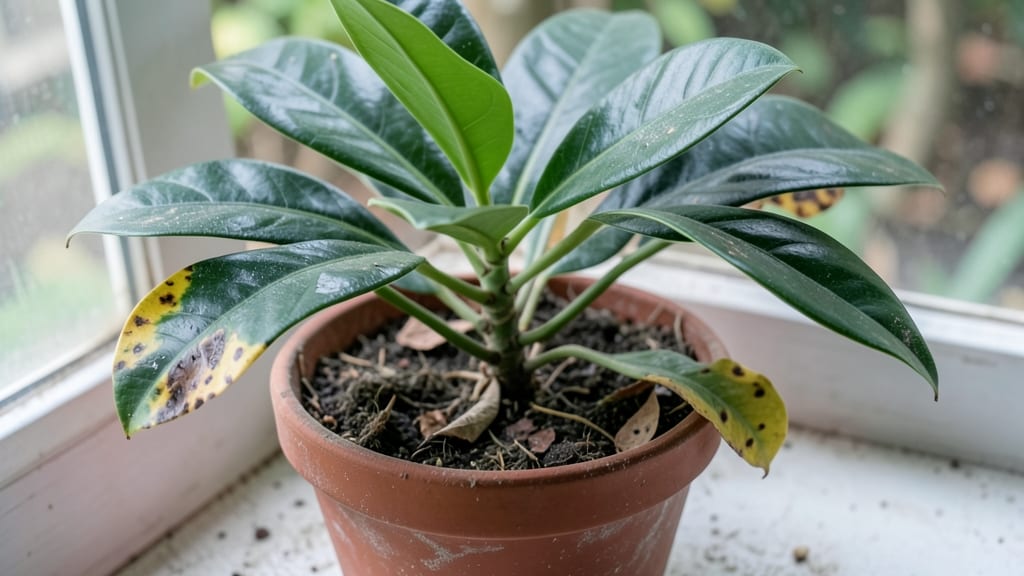
Overwatered plant leaves turn yellow, droop, and feel mushy to the touch—exactly how my first fiddle-leaf fig looked after a week of "just checking" the soil daily. 🌱 The good news?
Most plants bounce back quickly once you adjust care, and the fixes are simpler than you’d think. I’ve saved dozens of plants this way, from wilting houseplants to soggy garden beds.
First, stop watering immediately and let the soil dry out. Yellow leaves won’t turn green again, but new growth will stay healthy if roots get air. Improve drainage by adding perlite or sand to potting mix, or move outdoor plants to a spot with better soil.
For root rot, trim blackened roots and repot in fresh, sterile mix—it’s a shock, but plants recover faster than you’d expect.
You’ll notice leaves perking up within 24-48 hours if roots aren’t severely damaged. Keep watering light until the soil dries 1-2 inches deep between sessions, and watch for mold or foul smells—those mean deeper rot. Houseplants like pothos and succulents need even less water than most gardeners realize.
Prevent future soggy soil by sticking your finger in the dirt before watering. If it’s damp below the surface, wait another day. For outdoor gardens, raised beds drain better than in-ground soil, and containers with drainage holes are a game-changer.
Once you master this, your plants will thrive instead of wilt.
The Hidden Triggers Behind Wet Leaves
Overwatering isn’t just about too much water—it’s about disrupting your plant’s delicate balance of oxygen, nutrients, and root health. When leaves turn yellow, wilt, or develop unsightly spots, the root cause is almost always one (or more) of these key factors:
Plants need oxygen to breathe—just like you! When soil stays soggy for too long, water fills the tiny air pockets between soil particles, starving roots of oxygen (a condition called hypoxia).
Without oxygen, roots can’t absorb nutrients or release toxins, leading to: - Root rot (a fungal or bacterial infection that turns roots mushy and black). - Nutrient lockout—even if fertilizer is present, roots can’t access it. - Toxic buildup—excess water dilutes soil nutrients and traps harmful salts.
Pro tip: 💡 Test your soil’s drainage by grabbing a handful—if water drips out slowly (or not at all), your plant is drowning. Well-draining mixes (like cactus soil or perlite-amended potting mix) prevent this.
Not all soils are created equal. Compacted or clay-heavy soils act like sponges, holding onto moisture for weeks.
Even if you water lightly, water has nowhere to go, creating the perfect storm for: - Stagnant water at the root zone (ideal for fungus like Phytophthora). - Salt accumulation—minerals in tap water or fertilizer crystallize in saturated soil, burning roots. - Anaerobic conditions—without oxygen, beneficial microbes die, and harmful bacteria thrive.
Actionable fix: ✨ Upgrade your pots—terracotta (unglazed) or containers with drainage holes are non-negotiable. For heavy soils, amend with coarse sand, orchid bark, or vermiculite to improve aeration.
Cooler temperatures slow down root respiration—the process that helps plants process oxygen and water.
When soil is both cold and waterlogged, roots: - Freeze or suffocate (literally—ice crystals can form in saturated soil). - Fail to transpire—plants can’t "sweat out" excess water, leading to leaf drop. - Succumb to pathogens—cold-loving fungi (like Pythium) flourish in these conditions.
Winter warning: ⏰ Cut back on watering in fall/winter. Let the top 1–2 inches of soil dry out completely before watering again—roots need a break!
Even with good soil, human error is the #1 culprit.
Common mistakes include: - Watering on a schedule (instead of checking soil moisture). - Using the "finger test" wrong—stick your finger 2–3 inches deep; if it’s damp, wait. - Bottom-watering without limits—some plants (like succulents) can’t handle sitting in saucers of water for hours.
Quick test: 🌡️ Weigh your pot—if it’s consistently heavy after watering, you’re overdoing it. Aim for lightweight (but not bone-dry) soil between waterings.
Some plants are drama queens when it comes to water.
For example: - Tropicals (e.g., ferns, calatheas) need consistent moisture but hate waterlogged roots. - Succulents/sansevierias store water in leaves—overwatering causes mushy, translucent leaves (a sign of burst cells). - Orchids need airflow around roots; their bark medium relies on quick drying.
Species hack: 🎯 Research your plant’s native habitat—does it grow in bogs (like peace lilies) or deserts (like snake plants)? Mimic those conditions!
Hard water (high in calcium/magnesium) or sodium-heavy tap water can:
- Crust soil over time, reducing drainage.
- Raise soil pH, locking out nutrients like iron (causing yellowing between veins).
- Clog pores in roots, preventing gas exchange.
Fix it fast: 🔥 Use filtered or distilled water for sensitive plants. Flush the soil every 3–6 months with rainwater to leach out salts.
Even with holes in the pot, debris or root growth can clog them over time.
Signs of a blocked exit: - Water pools on top of soil for hours after watering. - Roots grow out of drainage holes (a desperate cry for air!). - Soil stays wet even after "draining."
Emergency repair: 🔪 Gently repot the plant, trimming any roots blocking holes. Add a layer of gravel or broken pottery at the bottom to act as a drainage buffer.
Reviving Your Plants Step By Step
Overwatered plants can feel like a lost cause, but with the right approach, you can nurse them back to health—even if their leaves are drooping, yellowing, or mushy. The key is acting fast, diagnosing the real issue, and applying targeted fixes.
Below, we’ll break down cause-specific solutions to get your green friends thriving again, plus pro tips to keep them happy long-term.
Cause: Too much water suffocates roots, leading to rot (often smelly or dark). Fix:
- 🚰 Stop Watering Immediately
- Let the soil dry out completely before touching it again. If the pot feels heavy, it’s still too wet.
- 👨🌾 Trim the Damage
- Use sterilized scissors to snip off yellow, brown, or mushy leaves at the base. Healthy leaves should snap slightly when bent.
- 🌡️ Improve Drainage
- Repot if needed: If roots are black/mushy, remove the plant, trim dead roots, and repot in fresh, well-draining soil (mix in perlite or sand).
- Upgrade the pot: Ensure it has drainage holes—terracotta is ideal for airflow.
- 🌿 Adjust Watering Habits
- Test the soil: Stick your finger 1–2 inches deep. Water only when dry.
- Bottom-watering trick: Place the pot in a tray of water for 10–15 mins, then drain excess. This prevents over-saturating the topsoil.
✨ Prevention Tip:
- Group plants with similar needs together to avoid over/under-watering confusion.
- Use moisture meters ($10–$15) for peace of mind—no more guesswork!
Cause: Excess moisture creates anaerobic conditions, causing cells to burst. Fix:
- 🛡️ Isolate the Plant
- Move it to a shady, dry spot (direct sunlight can stress already weak leaves).
- 🧼 Clean Up the Mess
- Remove all affected leaves (they won’t recover) and wipe down healthy ones with a damp cloth to prevent fungal spread.
- 💨 Boost Airflow
- Increase spacing between plants or use a small fan (on low) for 1–2 hours daily to dry foliage faster.
- 🌱 Fertilize Lightly (If Needed)
- Wait 2–3 weeks after repotting before adding fertilizer. Use a diluted, balanced liquid feed (half-strength) to rebuild strength.
💡 Pro Tip:
- Succulents & cacti? They’re especially prone to rot—water only when the soil is bone-dry (every 2–4 weeks).
Cause: Overwatering + poor drainage leads to salt accumulation or dryness from root stress. Fix:
- 🚿 Flush the Soil
- Run water through the pot until it drains clean from the bottom. Repeat 2–3 times to wash out salts.
- 🌧️ Adjust Humidity
- Group plants together or use a pebble tray with water (not touching leaves) to add moisture to the air.
- Mist lightly in the morning (avoid evening to prevent fungal growth).
- 🔄 Repot with Fresh Mix
- If soil is compacted or salty, repot into a new, airy potting mix (add orchid bark or coconut coir for drainage).
🎯 Prevention Tip:
- Avoid tap water if it’s hard (high in minerals). Use rainwater or filtered water instead.
| Step | Action | Frequency |
|---|---|---|
| Assess Roots | Gently remove plant to check for rot. Trim black/mushy roots. | Once (if repotting) |
| Adjust Watering | Water only when top 1–2" of soil is dry. | Every 7–14 days (varies) |
| Monitor Light | Move to bright, indirect light (no harsh sun until recovered). | Permanent adjustment |
| Fertilize | Wait 4–6 weeks after repotting; use weak feed. | Every 4–6 weeks |
🔥 Quick Fix Reminder:
- Act fast—root rot spreads in days!
- Prevention > Cure—adjust your watering routine to match your plant’s needs.
- Patience pays off—some plants take weeks to bounce back, but they will if roots are healthy.
With these steps, your overwatered plants will be back to their perky selves in no time. 🌟 Now go save those leaves!
Frequently asked questions
Why do my plant leaves turn yellow when overwatered?
Yellow leaves signal root stress from too much moisture. Overwatering blocks oxygen, causing roots to suffocate and release toxins that travel to leaves. Look for mushy stems or a foul smell—these mean root rot has set in. Tropical plants like ferns show this first, while succulents develop translucent, squishy leaves.
How can I tell if my plant needs less water or more?
Stick your finger 1-2 inches deep—if soil feels damp, wait. For containers, lift the pot: if it’s heavy, it’s still wet. Drooping leaves that perk up after a few hours mean thirst, while yellowing that spreads from bottom to top means overwatering. Test with a moisture meter for accuracy.
Will my plant recover if I stop watering immediately?
Yes, but recovery depends on root health. If only leaves are yellow (no rot), new growth will return in 2-4 weeks with proper care. For root rot (black/mushy roots), trim affected areas, repot in fresh mix, and reduce watering by 50%. Some plants bounce back faster with better drainage—terracotta pots help.
Can I save a plant with black roots from overwatering?
Trim all black/mushy roots with sterilized scissors, then repot in a mix with 50% perlite or sand. Water lightly only when the top 1 inch is dry. Place in bright, indirect light and avoid fertilizing for 4-6 weeks to let roots recover. Patience is key—healthy roots regrow in 3-6 weeks.
Why does my plant wilt after watering even with drainage holes?
This usually means roots can’t absorb water due to clogged holes or compacted soil. Check drainage holes for root growth or debris, then repot with fresh mix. If soil stays soggy, add orchid bark or coarse sand. For houseplants, bottom-watering (placing pot in water for 10 mins) often works better than top-watering.