
Watering
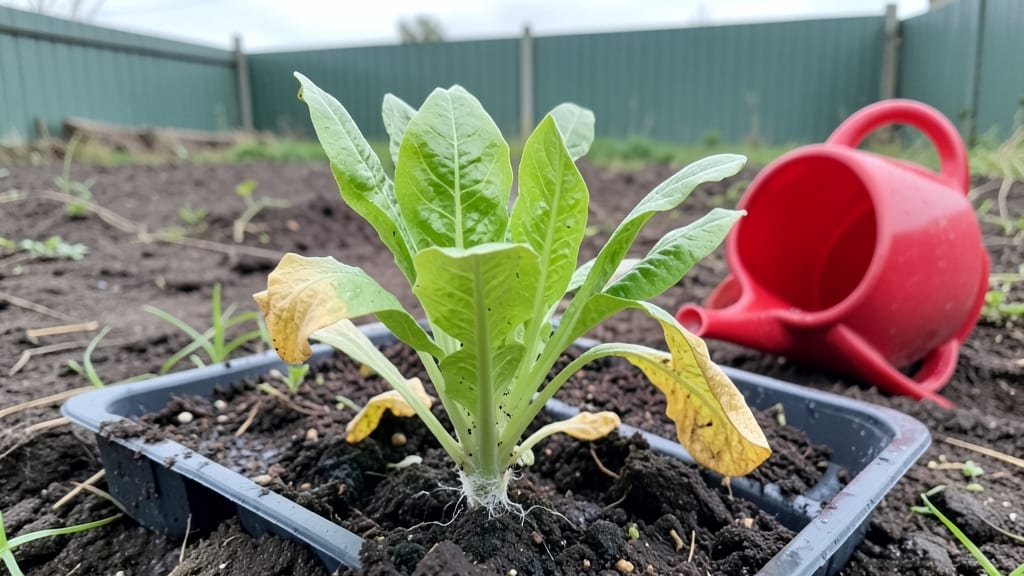
A plant overwatered seedling can be revived—even when it looks like it’s drowning. 🌱 The first time I saw seedlings collapse from too much water, I thought they were gone forever. But with the right steps, you can rescue them in just 3 days and get them growing strong again.
Here’s the thing—most people assume wilting means thirsty plants, but soggy roots strangle seedlings faster than drought. Yellow leaves, mushy stems, and roots that smell sour?
That’s your signal to act. The fix starts with stopping water entirely and giving roots space to breathe, then adjusting how you water moving forward.
By day three, you’ll see fresh green growth pushing through, and the soil will smell fresh instead of rotten. The key is balancing moisture without guessing—your fingers are the best tool. We’ll walk through exactly how to check, adjust, and prevent this from happening again.
This works for seedlings in trays, pots, or even the ground—whether you’re growing tomatoes, herbs, or flowers. Let’s turn those limp stems into thriving plants before they’re lost forever.
Overwatering Seedlings Explained
Understanding why seedlings drown is the first step to preventing it—and saving your green babies! Overwatering seedlings is often an accident caused by well-meaning gardeners who assume "more water is better."
But too much moisture suffocates roots, blocks oxygen, and invites fungal infections. Let’s break down the real culprits behind this common gardening blunder.
💡 Why it happens: Seedlings thrive in moist (not soggy) soil, but if your containers lack drainage holes, excess water pools at the bottom instead of draining away. Without airflow, roots suffocate from hypoxia (oxygen deprivation), leading to rot.
- The science: Roots need 10-20% oxygen in the soil to respire. Water displaces air, creating an anaerobic (oxygen-free) zone where harmful bacteria thrive.
- Actionable fix: Use pots with drainage holes or elevate containers on a tray of pebbles to prevent waterlogging.
🌡️ Why it happens: Some gardeners water seedlings every day, assuming they dry out quickly. But tiny roots can’t absorb excess water fast enough, leading to waterlogged soil and fungal growth (like Pythium or Phytophthora).
- The science: Seedlings have delicate root hairs that absorb water slowly. Overwatering keeps the soil saturated, preventing oxygen exchange and triggering root rot in 24-48 hours.
- Actionable fix: Water only when the top ½ inch of soil feels dry (stick your finger in—if it’s damp, wait!).
🥗 Why it happens: Heavy, clay-rich, or compacted soil holds water like a sponge, leaving no room for air. Seedlings need light, airy soil (like a 50/50 mix of potting soil and perlite) to prevent suffocation.
- The science: Clay soil has tiny pores that trap water, while organic mixes (with perlite/vermiculite) create macropores for oxygen flow.
- Actionable fix: Use a seed-starting mix (not garden soil) and avoid compacting it when planting.
🌬️ Why it happens: High humidity (like in a closed propagator or greenhouses) + overwatering = a perfect storm for mold. Fungal spores thrive in damp, warm air, smothering seedlings before they sprout.
- The science: Fungi like Botrytis (gray mold) spread when relative humidity exceeds 70% for prolonged periods.
- Actionable fix: Ventilate seedlings daily and use a dehumidifier or fan for airflow.
🌱 Why it happens: Newly sprouted seeds need barely moist soil, while established seedlings (with true leaves) can handle slightly drier conditions. Overwatering at any stage disrupts root development.
- The science: Seedlings have limited root systems (often just a taproot). Too much water forces roots to "drown," halting nutrient uptake.
- Actionable fix: Week 1-2: Mist lightly daily. Week 3+: Water deeply but less frequently (every 2-3 days).
💪 Why it happens: Fertilizer salts dissolve in water and accumulate in the soil. If you water heavily after fertilizing, salts concentrate at the roots, burning them and reducing water absorption.
- The science: High salt levels (EC > 2.0) disrupt osmotic pressure, making roots "drink" less water—even when soil is wet.
- Actionable fix: Flush soil with room-temperature water after fertilizing to leach excess salts.
Overwatered seedlings don’t just "wilt"—they drown in a cycle of trapped water, no oxygen, and fungal attacks. The fix? Drainage + timing + the right soil mix. Next up: How to Revive Them in 3 Days!
Fix Overwatered Seedlings Fast
Reviving an overwatered seedling isn’t just possible—it can be done in 3 days or less with the right steps. The key is acting quickly to stop root rot, improve drainage, and give your plant a fighting chance.
Below, we break down the cause-specific fixes to save your seedling, plus prevention tips to keep it thriving.
Cause: Continuous soggy soil suffocates roots, cutting off oxygen and leading to rot. Fix:
- Pause watering—let the top 1–2 inches of soil dry out before watering again.
- Remove the seedling from its container (if in a pot) and check the roots. Healthy roots are white or light tan; mushy, black, or smelly roots are rotten and must be trimmed.
- Repot if needed—if the soil is compacted or waterlogged, transfer to a well-draining mix (e.g., 50% potting soil + 50% perlite or coconut coir).
💡 Pro Tip: If repotting, sterilize the new pot with a 10% bleach solution (1 part bleach to 9 parts water) to prevent fungal spread.
Cause: Poor drainage traps excess moisture, worsening root damage. Fix:
- Add drainage holes—if your pot lacks them, drill 2–4 holes in the bottom.
- Upgrade your soil mix—overwatered seedlings often need lighter, airier soil. Mix in:
- Perlite or vermiculite (20–30%) for aeration
- Orchid bark or coconut coir (10–20%) to improve water flow
- Worm castings (5–10%) for gentle nutrient boost
- Elevate the pot—place it on a saucer with pebbles (not standing water) to allow excess moisture to evaporate.
🌡️ Pro Tip: Test soil moisture with your finger—stick it in 1 inch deep. If damp, wait before watering again.
Cause: Overwatering often stems from inconsistent habits (e.g., watering on a schedule vs. by need). Fix:
- Water only when the top inch of soil is dry—use a moisture meter or the finger test.
- Bottom-watering trick: Place the pot in a tray of water for 10–15 minutes, then drain excess. This encourages roots to grow deeper and avoids surface sogginess.
- Morning watering wins—water in the early morning so excess moisture evaporates by night.
✨ Pro Tip: Group plants with similar water needs together to streamline care.
Cause: Overwatering invites fungal infections (like Pythium or Fusarium), which attack weakened roots. Fix:
- Hydrogen peroxide spray (3%)—mix 1 tbsp per cup of water, spray roots lightly, and let air-dry. Do this every 3–4 days for a week.
- Cinnamon or neem oil—sprinkle cinnamon powder on soil (natural antifungal) or spray neem oil solution (1 tsp oil + 1 tsp mild soap per quart of water).
- Baking soda rinse (for foliar issues)—mix 1 tsp baking soda + 1 quart water + few drops of dish soap, spray leaves lightly.
🎯 Pro Tip: Avoid chemical fungicides—natural remedies are gentler on seedlings.
Cause: Ignoring early signs (yellowing leaves, wilting) leads to permanent damage. Fix:
- Check roots weekly—gently pull the seedling to inspect for rot or mold.
- Adjust humidity—overwatered plants often struggle in high humidity. Use a fan on low for 1–2 hours daily to improve airflow.
- Fertilize lightly—wait 2 weeks after repotting before using a diluted, balanced fertilizer (e.g., ½ strength 10-10-10).
🔪 Prevention Checklist:
- [ ] Use pots with drainage holes.
- [ ] Water less frequently but deeply.
- [ ] Choose fast-draining soil mixes.
- [ ] Avoid leaving seedlings in trays of standing water.
Result? A seedling that bounces back in days—not drowned roots. Follow these steps, and you’ll turn a "lost cause" into a lush, happy plant in no time! 🌱💚
Frequently asked questions
How do I know if my seedling is overwatered instead of underwatered?
Check the soil first—if it’s soggy to the touch or has a musty smell, that’s overwatering. Look for yellowing leaves (especially lower ones), wilting despite moist soil, or black/mushy stems. Underwatered seedlings usually have dry, crispy soil and brown, dry leaf edges. The key difference? Overwatered plants can’t absorb oxygen through waterlogged roots.
Can I save a seedling with completely black, mushy roots?
You might still save it by pruning the rotten roots with clean scissors and repotting in fresh, sterile soil mix (50% potting soil + 50% perlite). Trim healthy roots to 1–2 inches and let the seedling dry out for 24 hours before replanting. If the stem is also mushy, it’s too far gone—but try it anyway! Sometimes seedlings bounce back faster than expected.
What’s the best way to water seedlings to avoid overwatering?
Use the finger test: Stick your finger 1 inch deep into the soil. If it feels damp, wait. Water only when it’s dry to the touch. For bottom-watering, place the pot in a tray of water for 10–15 minutes, then drain excess. Morning watering is best—it gives soil time to dry slightly before nightfall. Pro tip: Group seedlings by water needs to simplify care.
Will hydrogen peroxide really help overwatered seedlings?
Yes! A 3% hydrogen peroxide solution (1 tbsp per cup of water) acts as a natural fungicide and provides oxygen to suffocating roots. Spray it lightly on the soil (not leaves) every 3–4 days for a week. It’s safe, inexpensive, and stops fungal growth that thrives in soggy conditions. Just avoid overusing it—once a week is plenty!
How long should I wait before fertilizing a revived seedling?
Wait at least 2 weeks after repotting or treating root rot. Seedlings are already stressed, and fertilizer salts can burn their delicate roots. Start with a very diluted (½ strength) balanced fertilizer like 10-10-10, and only apply it when the soil is slightly dry. Too much too soon will send you right back to square one.