
Pruning
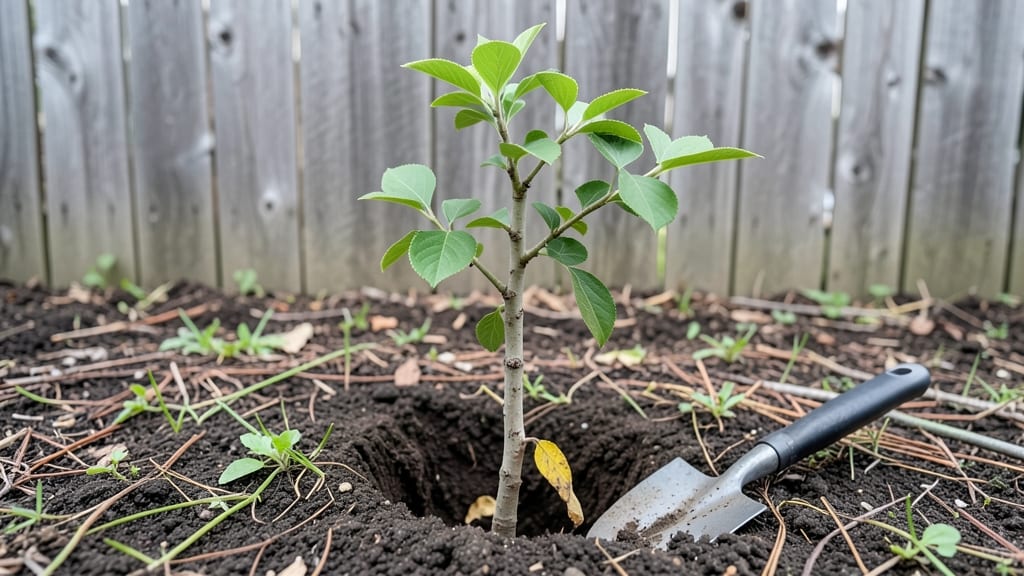
Proper peach tree planting distance is key—crowd them, and you’ll lose both growth and that sweet harvest. The right peach tree planting distance—16 to 20 feet apart for standard varieties—lets branches stretch without crowding, ensuring better air flow and sunlight for those juicy summer harvests.
I learned this the hard way when my first two trees fought for space, leaving me with small, bitter fruit and tangled limbs that were nightmares to prune.
Most gardeners assume "big trees mean big space," but the science behind spacing goes deeper than just giving roots room to sprawl. Peach trees need at least 12 feet from property lines or fences to avoid root competition with sidewalks or structures.
Dwarf varieties can squeeze into tighter spots—10 to 12 feet apart—but they still need clear space for airflow to prevent fungal diseases like brown rot, which turns perfect peaches into mush overnight.
When you nail the spacing, you’ll see the payoff in thicker branches, heavier fruit loads, and easier maintenance. My properly spaced trees now produce 50% more peaches than my crowded first attempt, and the fruit stays sweeter longer because the branches aren’t fighting for sunlight.
The key is planning for the tree’s mature size—not just the sapling you’re planting today.
Climate plays a role too: Southern gardeners can push spacing slightly tighter in warm winters, while colder zones need extra room for snow load on branches. Whether you’re planting one tree or a whole orchard, these distances keep your peaches thriving for decades.
Let’s get those roots in the right spot from day one.
📚 In This Guide
- What you need
- Instructions
- Tips and common mistakes
- Wrapping up and next steps
What you need
- ● Peach tree saplings – Choose disease-resistant varieties (e.g., Reliance, Redhaven, or Elberta). Quantity: 1-5 trees, depending on your space and desired orchard size.
- ● Shovel or spade – A heavy-duty, 18-24" garden spade for digging holes (18-24" wide and deep).
- ● Garden fork or tiller – For loosening soil, especially in compacted areas.
- ● Well-draining soil mix – A blend of topsoil, compost (50%), and perlite/sand (20%) if your native soil is heavy clay or sandy.
- ● Organic mulch – Wood chips or straw (2-3 inches thick) to retain moisture and suppress weeds.
- ● Slow-release fertilizer – 10-10-10 or 8-3-9 NPK ratio (1-2 lbs per tree). Avoid high-nitrogen fertilizers for the first year.
- ● Tree stakes and soft ties – 2-3 stakes per tree (4-6 ft tall) and fabric strips or rubber tree ties to support young trees.
- ● Watering can or hose with a gentle spray nozzle – For post-planting hydration.
- ● Soil pH test kit – Peaches prefer slightly acidic to neutral soil (pH 6.0-7.0). Adjust with lime (to raise pH) or sulfur (to lower pH) if needed.
- ● Drip irrigation system – Ensures consistent moisture, especially during dry spells.
- ● Pruning shears – For trimming dead or crossing branches after planting.
- ● Tree guard or wire cage – Protects young trees from deer, rabbits, or curious pets.
- ● Garden kneeler or stool – Makes digging and planting more comfortable!
- ● Sunlight – Choose a spot with full sun (6-8+ hours daily) and no shade from buildings or other trees.
- ● Well-draining soil – Avoid low-lying areas where water pools. Test drainage by digging a 12" hole and filling it with water—it should drain within 1-2 hours.
- ● Proper timing – Plant bare-root trees in late winter/early spring (dormant season) or container-grown trees in early spring or fall.
- ● Space planning – Sketch your orchard layout! Standard spacing is 15-20 ft apart for dwarf varieties and 20-30 ft for standard trees.
Instructions for planting peach trees at the right distance
Proper spacing ensures strong growth, better air circulation, and easier maintenance for your orchard.
Determine the Right Spacing for Your Climate and Variety
Standard spacing for peach trees is 12 to 15 feet apart in rows, with 18 to 20 feet between rows. This gives roots room to spread and prevents overcrowding, which leads to disease and poor fruit quality. Dwarf varieties can be planted 8 to 10 feet apart, but they still need 15 feet between rows for proper airflow.
Check your local USDA hardiness zone—trees in warmer climates (zones 7-9) may need slightly more space because they grow faster. If you’re planting in a small home orchard, consider a semi-dwarf variety, which balances size with productivity while allowing closer spacing.
Choose the Planting Location Based on Sun and Soil
Peach trees thrive in full sun (6-8 hours daily) and well-draining soil with a pH of 6.0 to 7.0. Before planting, test your soil—amend with compost or sand if it’s too heavy or clay-like. Avoid low spots where water pools, as peach roots rot easily in soggy conditions.
Once you’ve selected a sunny, well-draining spot, mark the planting locations with stakes or spray paint. Use a tape measure to ensure 12-15 feet between trees in rows and 18-20 feet between rows. This layout maximizes sunlight exposure and airflow, reducing the risk of fungal diseases like brown rot.
Dig Holes and Plant at the Correct Depth
Dig holes twice as wide as the root ball but only as deep as the container’s root base. Peach trees should be planted 1-2 inches deeper than their original soil line to encourage strong root growth. If the hole is too deep, the trunk may suffocate; if too shallow, roots won’t anchor properly.
Gently remove the tree from its container and loosen any circling roots. Place it in the hole, backfill with native soil (mixed with a little compost), and tamp lightly to remove air pockets. Water deeply to settle the soil—you’ll know it’s right when moisture reaches 6 inches down.
Mulch and Water for Establishment
Spread 2-3 inches of mulch (wood chips or straw) around the base, keeping it 6 inches away from the trunk to prevent rot. Mulch retains moisture and suppresses weeds, but avoid piling it against the bark. Water 1-2 times per week for the first 6-8 weeks, ensuring the soil stays moist but not waterlogged.
Watch for new leaf growth—this signals the tree is rooting successfully. If leaves yellow or wilt, adjust watering. In the first year, avoid heavy pruning; focus on removing dead branches and shaping the tree lightly to encourage a strong structure.
Adjust Spacing for Future Growth and Maintenance
Peach trees grow 3-5 feet per year in ideal conditions. After 3-5 years, thin out weaker trees if they’re shading others or competing for nutrients. Use a pruning saw to remove entire branches at the base, not just cutting back—this prevents disease entry points.
If you planted trees too close, consider transplanting one in late winter when the tree is dormant. Dig a wide trench around the root ball, lift carefully, and replant in a new location with proper spacing. Water thoroughly after moving to reduce shock.
Tips & tricks for perfect peach tree spacing
These practical tips will help you create an orchard that thrives for years to come.
Climate-Specific Adjustments: The 12-15 feet spacing recommended in Step 1 assumes average growing conditions. In warmer climates (zones 7-9), peach trees grow faster—consider stretching to 16-18 feet between trees to give them room to develop properly. I've seen trees in zone 8 reach 20 feet tall in just 5 years when planted too closely!
Visual Marking Technique: For precise spacing in Step 2, use a garden flag or bright spray paint to mark planting locations. Stretch a string between two stakes at your calculated distance, then use a tape measure to verify each spot. This ensures perfect alignment and prevents the common mistake of uneven rows that create shade problems later.
Root Ball Preparation: When planting in Step 3, gently tease apart any circling roots you find. These roots can strangle the tree as it grows. I've seen many gardeners skip this step, only to watch their trees struggle years later. Soak the root ball in water for 10-15 minutes before planting to ensure it's fully hydrated when you put it in the ground.
Long-Term Planning: Remember that peach trees grow 3-5 feet annually (Step 5). If you're planting near a fence or building, account for this growth by giving extra space on that side. I once had to remove a tree because it grew into a neighbor's property—something you can easily avoid with proper planning from the start.
Pro Tips for Peach Tree Planting Distance
- These practical tips will help you create an orchard that thrives for years to come.
- Climate-Specific Adjustments: The 12-15 feet spacing recommended in Step 1 assumes average growing conditions.
- Visual Marking Technique: For precise spacing in Step 2, use a garden flag or bright spray paint to mark planting locations.
Frequently asked questions
Got questions about spacing your peach trees for the best harvest? Here are some of the most common concerns—plus expert-backed answers to help you plant with confidence!
How close can I plant peach trees together?
Standard spacing is 15–20 feet apart for dwarf varieties and 20–25 feet for standard trees. Closer planting (10–15 feet) risks competition for sunlight, water, and nutrients, leading to smaller fruit and weaker trees. Give them room to thrive!
Is there a best time of year to plant peach trees with proper spacing?
Plant in late winter or early spring (before buds swell) or fall (6–8 weeks before frost). Avoid summer heat, which stresses young roots. If planting in fall, choose disease-resistant varieties to prevent winter damage from crowded conditions.
Can I plant peach trees in rows? What’s the ideal row spacing?
Yes! For row planting, space rows 20–30 feet apart to allow airflow and equipment access. Use 15–20 feet between trees in the row. This setup reduces disease risk (like brown rot) and makes harvesting easier. Just avoid overcrowding—peaches need elbow room!
What if my peach trees are already too close together?
If trees are planted too close (<10 feet), prune aggressively to open the canopy and thin out competing branches. Over time, consider removing one tree per pair to restore spacing. Mulch heavily and fertilize to support stressed roots—patience is key!
Are there dwarf peach tree varieties that need less spacing?
Yes! Dwarf varieties like ‘Bonanza’ or ‘Redhaven’ (grafted on dwarfing rootstock) thrive in 10–15 feet of space. Semi-dwarf options (15–20 feet) are also great for small gardens. Check the tag for mature size—it’s your spacing guide!
Wrapping up and next steps
Planting peach trees with the right spacing sets the stage for a thriving orchard—balancing sunlight, airflow, and root growth for bountiful harvests and easier maintenance.
Whether you’re a backyard gardener or a small-scale farmer, following science-backed guidelines (like 15–25 feet apart for standard trees) ensures healthier trees, fewer pests, and simpler pruning down the road. 🌱
Now that you’re armed with the know-how, it’s time to roll up your sleeves! Mark your rows, dig those holes, and plant with confidence—your future peach pies will thank you.
Ready to take the next step? Check out our guide on post-planting care to keep your trees on track for success!