
Plants
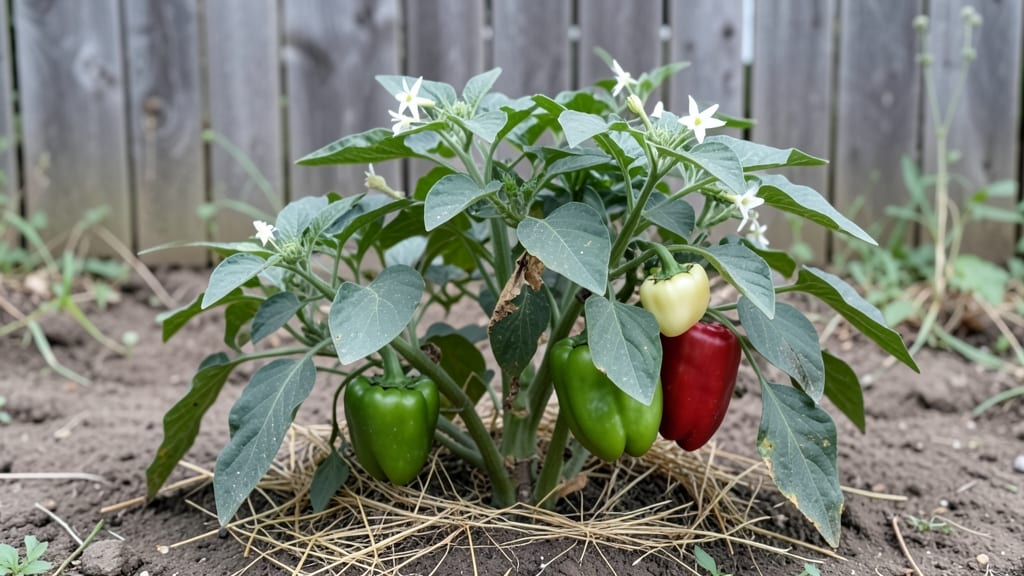
This pepper plant identifier saves you from guessing whether your plant is a mild bell or a fiery habanero—just look at the leaves. ✨ I’ve spent years studying pepper plants, and the differences in leaf shape, color, and texture are the fastest way to narrow it down before the fruit even ripens.
Bell peppers have broad, rounded leaves with smooth edges, while jalapeños and serranos grow narrower, slightly serrated foliage. Habaneros and ghost peppers? Their leaves are often darker green, almost waxy, with a more compact growth habit.
A quick photo comparison with a reliable app or guidebook can confirm what your eyes might miss.
Once you spot those key traits, you’ll avoid mixing up varieties and end up with exactly what you planted—no surprises at harvest time. The guide also covers tricky hybrids and what to do when young plants look identical until they fruit.
Perfect for gardeners who want to skip the guesswork and get straight to growing the right peppers. Here’s how to tell them apart before they even bloom.
What Triggers Misidentification
Identifying pepper plants can sometimes feel like solving a botanical puzzle—especially when leaves look eerily similar across species. But why do these mix-ups happen so often? The answer lies in a mix of natural biology, environmental stress, and even human perception.
Let’s break down the key reasons your pepper plant might be harder to pinpoint than you expected.
Many pepper plants share a common ancestor (Capsicum annuum), meaning their leaf shapes, serrations, and even colors can overlap. For example:
- Bell peppers and jalapeños often have smooth, lance-shaped leaves with subtle serrations.
- Habaneros and scotch bonnets may both sport dark green, slightly waxy foliage with jagged edges.
- Ghost peppers and carolina reapers sometimes grow broader leaves that mimic non-spicy varieties.
Even within the same species, grafting (a common practice in commercial farming) can further blur distinctions—rootstock leaves may differ from the scion (the edible part) you’re trying to identify.
Pepper plants are resilient, but stress from their environment can drastically alter leaf appearance, making ID tricky. Here’s how:
☀️ Sunlight Exposure
| Condition | Leaf Effect | Why It Happens |
|---|---|---|
| Too much sun (burn) | Yellowing edges, crispy texture, or bleached patches | Excess UV damages chlorophyll, causing oxidative stress. Leaves may curl or develop irregular shapes. |
| Shade deficiency | Pale green or purple-tinged leaves, elongated stems | Lack of light reduces photosynthesis, leading to etiolation—stretched, weak growth. |
💧 Watering Woes
- Overwatering: Leaves turn yellow (chlorosis) or develop brown, mushy spots due to root rot.
- Underwatering: Leaves crisp at the edges (necrosis) and may appear smaller or curled.
Both conditions can make leaves look unhealthy enough to resemble a different pepper species entirely.
🌡️ Temperature Swings
Peppers thrive in 65–90°F (18–32°C). Outside this range:
- Cold stress (<50°F/10°C): Leaves develop purple or bronze hues (anthocyanin buildup) and may appear stunted.
- Heat stress (>95°F/35°C): Leaves scorch or drop prematurely, mimicking nutrient deficiencies.
Extreme temps can even trigger false flowering, where leaves sprout flower-like structures—confusing for beginners!
Sometimes, the issue isn’t the plant—it’s us. Here’s how perception plays a role:
📏 Size and Maturity Confusion
Young pepper seedlings often have rounder, less serrated leaves that resemble other plants (like tomatoes or eggplants). As they mature:
- Leaves develop lobes or serrations (e.g., bell peppers’ 3–5 pointed tips).
- Color darkens from light green → deep green → purplish under stress.
Pro tip: Compare leaves to standard pepper plant charts at different growth stages to avoid early misidentification. 💡
🖼️ Lighting and Photo Distortions
Natural light vs. artificial lighting can alter leaf colors in photos:
- 🔥 Sunlight: Greens appear vibrant and true.
- 💡 Indoor/LED light: Leaves may look washed out or overly blue.
- 📱 Camera filters: Auto-enhancements can amplify serrations or dull colors.
Always cross-check with in-person observations under natural light for accuracy.
📚 Lack of Reference Points
Without a leaf shape key or flower/fruit comparison, even experienced growers can stumble. For example:
- Pepper flowers are white or purple (unlike tomato flowers, which are yellow).
- Fruits develop from the stem, not the leaf nodes—a key difference from leafy greens.
Actionable fix: Bookmark a pepper plant database with side-by-side images of leaves, flowers, and fruits. ✨
By understanding these biological and environmental triggers, you’ll sharpen your pepper plant ID skills—and spot the real differences that matter. Next, we’ll dive into how to tell varieties apart using leaf shape, color, and other telltale signs.
Quick Fixes for Pepper Plant Problems
Diagnosing your pepper plant’s issues is just the first step—now it’s time to turn things around! Below are practical, step-by-step solutions tailored to the most common problems, from yellowing leaves to stunted growth. Each fix includes prevention tips to keep your plants thriving long-term.
Cause: Yellowing leaves often signal overwatering, nitrogen deficiency, or poor drainage. Solution:
- Check the soil moisture 💧—stick your finger 1–2 inches deep. If damp, hold off on watering.
- Improve drainage by adding perlite or sand to heavy soil (or repot if needed).
- Fertilize with a balanced 10-10-10 or tomato/vegetable feed to replenish nutrients.
- Prune yellowed leaves to redirect energy to healthy growth.
Prevention Tip: 💡 Water only when the top inch of soil feels dry, and ensure pots have drainage holes.
Cause: Tiny invaders suck sap, causing stunted growth, curled leaves, or sticky residue. Solution:
- Isolate the plant to prevent spreading 🛡️.
- Blast pests off with a strong spray of water (aphids hate this!).
- Use neem oil spray (1 tsp neem oil + 1 tsp mild soap per quart of water) for organic control.
- Introduce beneficial insects like ladybugs or lacewings for long-term defense.
Prevention Tip: 🌿 Inspect new plants before bringing them indoors, and keep your garden clean to deter pests.
Cause: Tall, weak stems or slow growth usually mean insufficient light or overcrowding. Solution:
- Move to a sunnier spot (peppers need 6–8 hours of direct sunlight daily).
- Rotate the pot weekly so all sides get even light exposure ☀️.
- Prune leggy stems to encourage bushier growth (cut just above a leaf node).
- Thin out crowded plants if growing in a garden bed.
Prevention Tip: 🎯 Start with proper spacing (18–24 inches apart) and use grow lights if natural light is limited.
Cause: Dark, sunken spots on fruit mean low calcium or inconsistent watering. Solution:
- Apply crushed eggshells or calcium-rich fertilizer (like gypsum) to the soil.
- Water consistently—peppers hate drought followed by sudden soaking.
- Mulch around the base to retain moisture and prevent calcium loss.
Prevention Tip: 💪 Test soil pH (ideal: 6.0–6.8) and avoid heavy fertilizers that disrupt calcium uptake.
Cause: Extreme heat (above 90°F) causes drooping or crispy leaf edges. Solution: 1. Provide afternoon shade with a light cloth or mesh if temps spike.
- Mist leaves lightly in the morning to cool them down (but avoid evening watering).
- Use reflective mulch (like aluminum foil) to bounce back heat.
Prevention Tip: 🌿 Choose heat-tolerant varieties (like ‘Carolina Wonder’ or ‘Jupiter’) for hot climates.
- Boost humidity with a pebble tray or humidifier (especially for indoor plants).
- Avoid over-fertilizing—peppers prefer moderate feeding over heavy doses.
- Monitor regularly—catch problems early before they spread!
Pro Tip: 📸 Snap photos of symptoms before treating—this helps identify issues faster next time! Whether it’s pests, light deprivation, or nutrient gaps, these fixes will have your pepper plants back on track in no time. 🌱💥
Frequently asked questions about pepper plant identification
How can I tell the difference between bell peppers and jalapeños just by looking at the leaves?
Bell peppers typically have broader, smoother leaves with 3-5 rounded lobes, while jalapeños grow narrower, more serrated leaves with pointed tips. Check the leaf edges—bell pepper leaves are almost heart-shaped, while jalapeño leaves resemble elongated triangles.
What should I do if my pepper plant’s leaves look identical to multiple varieties?
Young pepper plants often share similar leaf shapes until they mature. Focus on leaf texture (waxy vs. rough) and growth habit (compact vs. sprawling). If unsure, wait for flowers or fruits—pepper flowers are white or purple, while fruits develop from the stem (not leaf nodes).
Are there reliable apps for identifying pepper plants from photos?
Yes! Try PictureThis or PlantNet—both use AI to analyze leaf shape, color, and texture. For pepper-specific ID, GrowVeg’s Pepper Plant Guide offers side-by-side comparisons. Always cross-check with a physical guidebook if the app gives conflicting results.
Why do some pepper plants have purple-tinged leaves?
Purple hues appear due to anthocyanin buildup, often caused by cold stress (<50°F/10°C) or nutrient deficiencies (like phosphorus). If leaves are otherwise healthy, it’s usually harmless. For dark purple stems, ensure consistent warmth and balanced fertilizer (10-10-10 ratio).
Can I use a magnifying glass to spot key differences in leaf serrations?
Serrations are a game-changer for ID. Hold the leaf up to light—bell peppers have shallow serrations, while jalapeños and habaneros show deeper, more frequent teeth. For extreme heat peppers (like ghost peppers), serrations may be irregular and jagged.