
Trees
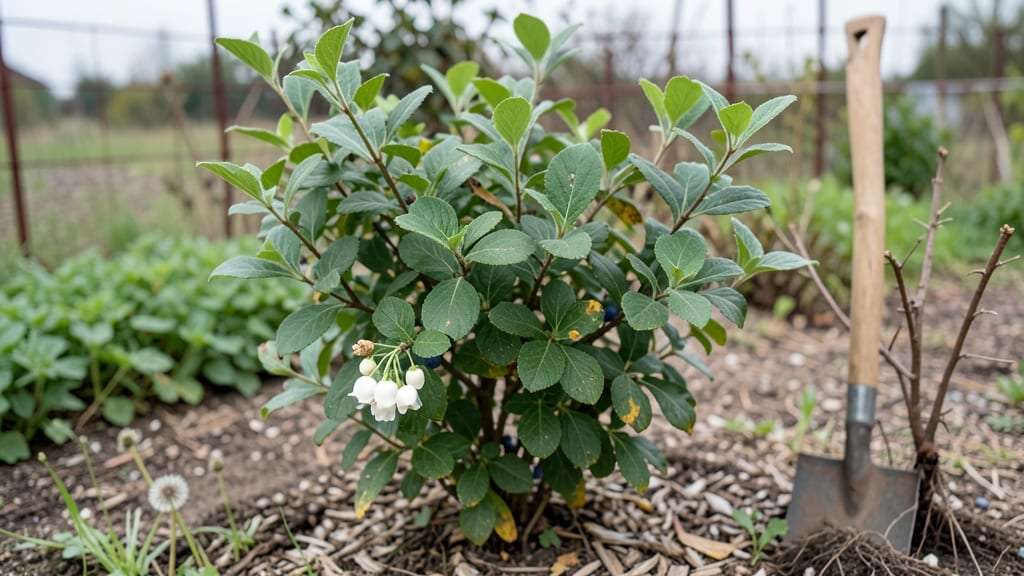
Planting blueberry trees in full sun transforms your yard into a berry-producing powerhouse. 🌟 I’ve watched my own bushes go from scraggly saplings to heavy-fruiting shrubs in just three seasons—once I cracked the code on soil, spacing, and timing.
The key isn’t just digging a hole; it’s creating the perfect acidic, well-draining environment they crave.
You’ll need a spot with 6+ hours of sun daily, soil with a pH between 4.5 and 5.5 (test kits are cheap and worth it), and either bare-root plants or containers with drainage.
Southern highbush varieties thrive in warmer zones, while northern types handle frost better—pick what matches your climate. The planting hole should be twice as wide as the root ball but only as deep.
After planting, mulch heavily with pine needles or peat moss to keep roots cool and acidic. Water deeply twice a week for the first month, then taper off as leaves appear.
By next summer, you’ll see those first clusters of white blossoms—proof you’ve set them up for success. The real magic happens when they fruit in year two or three.
Container growing works too, but expect smaller harvests. Just use a 5-gallon minimum pot, acidic potting mix, and repot every 2–3 years. The biggest mistake? Skipping the soil test or crowding plants too close.
Give them 5–6 feet of space between bushes, and they’ll reward you with pounds of berries for decades.
📚 In This Guide
- What you need
- Instructions
- Tips and common mistakes
- Wrapping up and next steps
What you need
- ● Blueberry plants: 3–5 dwarf or semi-dwarf bushes (choose southern-highbush, northern-highbush, or rabbiteye varieties for your climate). Pro tip: 💡 Buy from a reputable nursery to ensure healthy, disease-free stock!
- ● Well-draining soil: Mix peat moss or compost (50%) with sand (30%) and native soil (20%) for optimal acidity (pH 4.5–5.5). Test your soil first! 🌡️
- ● Organic mulch: 2–3 inches of pine bark, wood chips, or straw to retain moisture and suppress weeds.
- ● Fertilizer: A slow-release, acid-loving plant fertilizer (e.g., Osmocote or cottonseed meal) for planting + annual amendments.
- ● Tools: Shovel or trowel
- ● Garden fork (for aerating soil)
- ● Pruners (sterilized!)
- ● Wheelbarrow (for soil/mulch)
- ● Garden hose or watering can (with a spray nozzle)
- ● Epsom salt: 1 tbsp mixed into planting hole for magnesium boost.
- ● Soil pH test kit: To monitor acidity levels annually.
- ● Drip irrigation system: For consistent moisture (especially in dry climates).
- ● Bird netting: To protect ripening berries from hungry feathered friends! 🐦
- ● Blueberry-specific fungicide: (e.g., copper fungicide) for preventative care.
Step-by-step guide to planting blueberry trees
Here’s how to plant thriving blueberry bushes that’ll reward you with fruit for years.
🪴 Step 1: Choose the Right Location and Prepare the Soil
Blueberries crave full sun—pick a spot that gets at least 6 hours of sunlight daily. They also need acidic soil (pH 4.5–5.5). If your soil isn’t naturally acidic, mix in 2–3 inches of peat moss or sulfur into the planting hole to lower the pH. I test my soil first with a simple kit to avoid guesswork.
Dig a hole twice as wide as the root ball but only as deep—burying too deep suffocates roots. Loosen the sides of the hole so roots can spread easily. If planting multiple bushes, space them 4–6 feet apart for proper airflow and sunlight access.
🌱 Step 2: Plant the Blueberry Bushes Correctly
Remove the bush from its container and gently tease the roots apart if they’re circling. Place it in the hole so the top of the root ball sits just above soil level—burying the stem too deep causes rot. Backfill with the amended soil, pressing lightly to remove air pockets.
Water deeply right after planting to settle the soil and eliminate gaps. You’ll know it’s done right when the soil surface looks even and the bush stands upright. Mulch with 2–3 inches of pine needles or wood chips to keep roots cool and retain moisture—this also slowly acidifies the soil over time.
💧 Step 3: Water and Fertilize for Strong Growth
Blueberries need consistent moisture, especially in their first year. Water 1–2 inches per week, more in hot climates. I check soil moisture by sticking my finger 2 inches deep—if it’s dry, it’s time to water. Avoid overhead sprinklers to prevent fungal diseases like botrytis.
Skip high-nitrogen fertilizers—they encourage leafy growth at the expense of fruit. Instead, use a balanced, acidic fertilizer (like 10-10-10 with sulfur) in early spring. Follow package rates, but I cut mine in half the first year to avoid shocking young roots.
☀️ Step 4: Prune and Protect for Long-Term Health
Prune in late winter or early spring before new growth starts. Remove dead, crossing, or weak branches at the base. I also thin out crowded stems to improve airflow. Never prune more than one-third of the bush in a single season—blueberries recover slowly from heavy cuts.
Watch for birds and pests—they love blueberries too! Use netting when fruit starts to form, and apply organic pest control (like neem oil) if you spot aphids or spider mites. A healthy bush develops a thick canopy by year three, signaling it’s ready for a full harvest.
⏰ Step 5: Plan for Pollination and Future Harvests
Most blueberries are self-pollinating, but planting two varieties nearby boosts yields. For example, ‘Bluecrop’ and ‘Duke’ pair well. If you live in a cold climate, choose northern varieties like ‘Jersey’ or ‘Patriot’—they handle frost better than southern types.
Harvest starts in late summer (depending on your zone) when berries turn deep blue and pull away from the stem easily. Pick them in the morning when flavors are sweetest. Leave a few to ripen on the bush—birds will thank you, and you’ll still get some fruit!
Tips & tricks for perfect blueberry tree planting
These sun-loving secrets will help you grow thriving blueberry bushes that produce bountiful harvests year after year.
Soil Preparation: Don't skip the soil test! I learned this the hard way after planting in soil that tested neutral (pH 7). Blueberries need that 4.5–5.5 range to thrive. If your soil isn't acidic enough, mix in 2–3 inches of peat moss or sulfur—this takes time (weeks to months), so start early. For faster results, consider planting in raised beds where you can control the soil mix completely.
Planting Depth: The top of the root ball should sit just above soil level—this is critical for preventing rot. I always check by placing the bush in the hole and making sure the soil line matches the root ball's top edge. If you bury it too deep, the stem will suffocate and the bush may fail to thrive. Think of it like planting a tree: the root flare should be visible above the soil.
Watering Wisdom: Those 1–2 inches per week are non-negotiable in the first year. I use a rain gauge to track rainfall and only water when needed—overwatering causes root rot. For the first few weeks after planting, water every 2–3 days to help roots establish. The 2-inch deep soil check is your best friend—stick your finger in and if it's dry, it's time to water.
Mulching Magic: That 2–3 inches of pine needles or wood chips isn't just for looks—it's a game-changer. Pine needles slowly acidify the soil over time, while wood chips retain moisture and keep roots cool. I always apply mulch right after planting and refresh it annually. Just keep it 2–3 inches thick—too much can suffocate the roots. For extra acidity, you can even use coffee grounds mixed into the mulch layer.
Pro Tips for Planting Blueberry Trees
- These sun-loving secrets will help you grow thriving blueberry bushes that produce bountiful harvests year after year.
- Soil Preparation: Don't skip the soil test!
- Planting Depth: The top of the root ball should sit just above soil level—this is critical for preventing rot.
Frequently asked questions
Got questions about planting blueberry trees? You’re not alone! Here are answers to the most common queries to help you grow a thriving blueberry patch with confidence.
When is the best time to plant blueberry trees?
Plant bare-root blueberries in early spring (before buds swell) or fall (6-8 weeks before frost). Container-grown trees can go in anytime, but avoid extreme heat or cold. Pro tip: If planting in fall, mulch well to protect roots over winter!
Do blueberry trees need acidic soil? How do I test it?
Yes! Blueberries thrive in soil with a pH of 4.5–5.5. Test your soil with a kit (available at garden centers) or send a sample to a local extension office. If your soil is too alkaline, amend it with peat moss, sulfur, or pine needles before planting.
How far apart should I space blueberry trees?
Space dwarf varieties 3–4 feet apart and standard-sized trees 6–10 feet apart to allow airflow and easy harvesting. Group plants together—they’re self-pollinating but produce more with neighbors!
Why aren’t my blueberry trees fruiting?
Common reasons include:
- Age: Trees need 2–3 years to bear fruit.
- Pollination: Even self-pollinating varieties need bees. Plant a second variety nearby if yields are low.
- Nutrients: Lack of iron or zinc (yellow leaves) or nitrogen (poor growth) can stunt fruit production.
- Pruning: Over-pruning removes flowering wood. Trim in late winter to shape, not to “clean up.”
Adjust care and give it time—patience pays off!
Can I grow blueberries in containers? What’s the best setup?
Use a 5-gallon+ container with drainage holes, filled with peat moss, perlite, and compost. Choose dwarf varieties like ‘Top Hat’ or ‘Peach Sorbet.’ Keep pots in full sun and water consistently—containers dry out faster than ground soil. Bonus: Move pots to a sheltered spot in winter if frost is severe.
Wrapping up and next steps
Planting blueberry trees is a rewarding journey that combines patience, care, and a little sunshine! 🌞 With the right soil, spacing, and variety—plus a dash of regular maintenance—you’ll soon enjoy a luscious harvest of juicy, antioxidant-rich berries.
Whether you’re a seasoned gardener or a curious beginner, every step brings you closer to that first sweet bite.
Ready to take the next step? Start by selecting your blueberry variety (northern or southern types) and mark your calendar for planting season. Before you know it, your backyard will be buzzing with pollinators—and your plate with homegrown goodness. Happy planting! 🌱