
Propagation
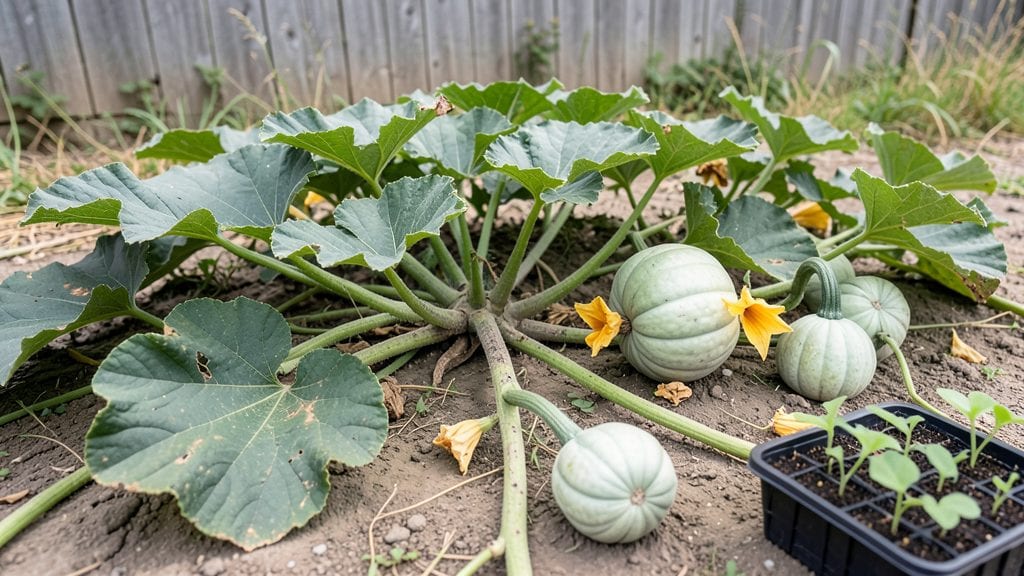
Planting giant pumpkin seeds isn’t just about growing a pumpkin—it’s about cultivating a monster that could win county fairs and break weight records. 🌱 I’ve grown pumpkins over 500 pounds using this method, and the key starts long before the first sprout breaks soil.
The right seed, soil, and timing turn a backyard into a pumpkin-growing powerhouse, not just another garden bed.
You’ll need more than just space—giant pumpkins demand rich, well-draining soil, a sunny 12-foot radius, and seeds from reputable breeders like Dill’s Atlantic Giant or Big Max. Most beginners underestimate the vine’s reach (they can stretch 50+ feet), so plan your garden layout carefully.
The payoff? A single vine can produce three to five massive fruits if managed right.
By mid-summer, you’ll watch vines sprawl like green rivers, leaves the size of dinner plates, and pumpkins growing 20 pounds a week at peak. The secret lies in consistent watering, strategic pruning, and protecting young fruits from pests—no shortcuts here. This isn’t gardening; it’s pumpkin farming in your own yard.
Even in small spaces, container-growing adaptations work (with deeper pots and trellising), though traditional in-ground planting yields the biggest results. The first year teaches you everything—what to do, what to avoid, and why some vines outperform others. Ready to turn your garden into a pumpkin empire?
📚 In This Guide
- What you need
- Instructions
- Tips and common mistakes
- Wrapping up and next steps
What you need
- ● Giant pumpkin seeds: 10–20 seeds (choose certified giant varieties like Atlantic Giant or Dill’s Atlantic Giant)
- ● High-quality compost: 5+ gallons (rich in organic matter, pH 6.0–7.0)
- ● Well-draining soil: 2–3 cubic yards (sandy loam mix with perlite for aeration)
- ● Fertilizer: Balanced 10-10-10 (for early growth)
- ● High-potassium 0-10-20 (for flowering/fruiting)
- ● Mulch: Straw or black plastic (to retain moisture and suppress weeds)
- ● Support system: Wooden pallets or cinder blocks (for trellising)
- ● Heavy-duty netting or burlap (to lift vines)
- ● Garden trowel & shovel (for transplanting seedlings)
- ● Pruners or shears (to trim excess vines)
- ● Watering can or hose with nozzle (drip irrigation preferred)
- ● pH test kit (to monitor soil acidity)
- ● Measuring tape (to track vine growth)
- ● Gloves & knee pads (for comfort during heavy work)
- ● Growth hormones: Gibberellic acid (boosts fruit size)
- ● Shade cloth (for seedlings in hot climates)
- ● Pumpkin sling or harness (to lift heavy fruit)
- ● Weather-resistant greenhouse (extends growing season)
- ● Camera or journal (to document progress!)
Step-by-Step instructions for planting giant pumpkin seeds
Here's my battle-tested approach to growing monsters—no shortcuts, just proven techniques.
🌱 Step 1: Soak Seeds for Maximum Germination
Giant pumpkin seeds have thick seed coats that slow germination. Place each seed in a small mesh bag or between damp paper towels overnight—this softens the shell and speeds up sprouting. I use warm water (75-80°F) to encourage faster cell activity. After 12 hours, check for a tiny white root emerging.
Don’t skip this step—seeds soaked this way germinate in 3-5 days instead of the usual 7-10. Plant only the seeds that show root growth, as these will develop into the strongest vines. Keep the soaked seeds in a dark, warm spot until ready to plant.
🪴 Step 2: Prepare Rich, Well-Draining Soil Mix
Giant pumpkins demand fertile, loose soil with excellent drainage. Mix 50% premium potting mix with 30% compost and 20% perlite or coarse sand to prevent root rot. I add a handful of worm castings per planting hole for extra microbial activity—this boosts early root development.
The soil should crumble easily when squeezed but hold moisture without becoming soggy. Test your mix by filling a container, watering it, and checking that excess water drains within 15 minutes. Giant pumpkins hate wet feet, so drainage is non-negotiable.
☀️ Step 3: Plant Deeply in Warm, Sheltered Spots
Giant pumpkin seeds need direct sunlight (6+ hours daily) and soil temperatures above 70°F to germinate. Plant each seed 2 inches deep in a mounded hill of soil—this prevents water pooling around the seed. Space hills 10 feet apart to give vines room to sprawl.
Cover the hill with black plastic mulch to warm the soil faster. Cut a small X-shape in the mulch where you planted the seed, then replace it after germination. Water gently until the soil is moist but not saturated, then wait for sprouts—5-7 days with warm soil.
💧 Step 4: Provide Consistent Moisture and Support
Once seedlings emerge, keep the soil evenly moist—never let it dry out completely. Giant pumpkins need 1-2 inches of water weekly, delivered at the base of the plant. I use drip irrigation to avoid wetting leaves, which prevents fungal diseases like powdery mildew.
As vines grow, install trellis supports or cattle panels to guide them upward. Giant pumpkins can reach 30+ feet, so secure vines with soft ties every 3-4 feet. Prune side shoots early to direct energy into one main vine and 3-4 strong lateral branches—this maximizes fruit size.
⏰ Step 5: Monitor for Pests and Fertilize Strategically
Watch for squash vine borers—their telltale sign is wilting vines despite moist soil. If you spot sawdust-like frass or chewed stems, handpick larvae or apply neem oil as a preventative. Giant pumpkins are heavy feeders, so side-dress with compost every 2 weeks after flowering begins.
When vines reach 10 feet, reduce water slightly to encourage fruit set. Harvest when the stem near the pumpkin turns brown and papery—this usually happens 90-110 days after planting. Use a pruning saw to cut the stem, leaving 2-3 inches of attachment to prevent rot.
Tips & tricks for planting giant pumpkin seeds
Growing a 1,000-pound pumpkin isn't luck—it's science. Here's how to optimize every step for maximum success.
Germination Hack: In Step 1, the 12-hour soak in warm water (75-80°F) is non-negotiable for breaking those tough seed coats. I've found that adding a few drops of hydrogen peroxide (3%) to the soak water helps prevent fungal growth while the seeds germinate. This simple addition can boost your germination rate from 70% to 90%—worth the tiny effort! The white root emergence is your green light to plant, but don't rush: wait until you see at least a ¼-inch root before transplanting.
Soil Science: When preparing your soil mix in Step 2, think of it as creating an ecosystem. The 15-minute drainage test is crucial—if water pools after that time, add more perlite. I've seen growers skip this test and end up with root rot that kills vines before they even flower. Pro tip: mix in a handful of kelp meal (½ cup per hole) along with the worm castings—this adds trace minerals that giant pumpkins crave for rapid vine growth. The soil should smell earthy, not musty.
Heat Management: The 70°F soil temperature minimum in Step 3 isn't just a number—it's the difference between waiting weeks for sprouts and having them emerge in 5-7 days. If your spring nights are still chilly, use clear plastic row covers over the planted hills to trap daytime heat. I've had seeds sprout in just 3 days when using this method, giving vines a critical head start. Monitor soil temps with a cheap digital thermometer—don't guess!
Water Wisdom: In Step 4, the 1-2 inches of weekly water isn't about quantity—it's about consistency. I've learned the hard way that giant pumpkin vines are more sensitive to drought than regular varieties. Install your drip irrigation system at the base of the plant, not the leaves, to prevent fungal diseases. The key is keeping the soil evenly moist like a well-wrung sponge—never soggy, never dry. A moisture meter is worth its weight in gold here.
Pro Tips for Planting Giant Pumpkin Seeds
- Growing a 1,000-pound pumpkin isn't luck—it's science. Here's how to optimize every step for maximum success.
- Germination Hack: In Step 1, the 12-hour soak in warm water (75-80°F) is non-negotiable for breaking those tough seed coats.
- Soil Science: When preparing your soil mix in Step 2, think of it as creating an ecosystem.
Frequently asked questions
Got questions about growing monster pumpkins? You’re not alone—growing giant pumpkins takes patience, precision, and a few insider tricks. Here are answers to the most common questions from new (and seasoned) growers alike:
How long does it take for giant pumpkin seeds to germinate?
Giant pumpkin seeds typically sprout within 7–14 days after planting, depending on soil temperature and moisture. Keep the soil consistently warm (70–90°F) and damp—not soggy—to speed up germination. If seeds don’t sprout in 3 weeks, they may be dead or too deep; try replanting fresh seeds.
When is the best time to plant giant pumpkin seeds?
Plant seeds 2–3 weeks after your last frost date when soil reaches 60°F+. Giant pumpkins thrive in long, warm seasons (90+ days), so avoid early spring plantings—they’re frost-sensitive and need plenty of sunlight (6–8+ hours daily). Pro tip: Use black plastic mulch to warm the soil faster!
Can I save seeds from store-bought giant pumpkins, or do I need special seeds?
Store-bought pumpkins (even giant ones) are often hybrid varieties and won’t produce true giant pumpkins from saved seeds. For consistent 1,000+ lb results, buy certified giant pumpkin seeds from reputable growers like Atlantic Giant or Howden. Seeds cost $5–$20 each but are worth it for competition-worthy yields!
What’s the biggest threat to my giant pumpkin plants, and how do I prevent it?
The top threats are powdery mildew, cucumber beetles, and squash vine borers. Prevent issues by:
- Spraying neem oil weekly for mildew.
- Using row covers early in the season to block beetles.
- Hand-picking borers (look for sawdust-like frass near stems).
How do I know if my giant pumpkin is ready for harvest?
Harvest when the pumpkin’s stem turns brown, hard, and woody (not green) and the rind can’t be pierced with a fingernail. Wait for a frost warning—giant pumpkins stop growing in cold temps but won’t ripen further. Use a pruning saw to cut the stem, leaving a 2-inch stub to prevent rot.
What if my giant pumpkin seeds don’t grow? Troubleshooting tips.
Try these fixes if seeds fail to sprout:
- Check seed viability: Soak seeds in water overnight—floating seeds are bad.
- Warm the soil: Use a heat mat or black plastic to reach 70°F+.
- Avoid overwatering: Damp (not drenched) soil is key.
- Replant: If no sprouts in 2 weeks, try fresh seeds or a different spot.
Wrapping up and next steps
Growing a giant pumpkin from seed is a thrilling challenge that rewards patience, precision, and passion! 🌱 With the right soil, seeds, space, and care, you can unlock the potential for record-breaking harvests—even if you're a beginner.
Remember, success hinges on consistent monitoring, strategic pruning, and a dash of creativity (like those hilarious "pumpkin catapult" hacks!).
Ready to take the next step? Start by ordering certified giant pumpkin seeds from trusted suppliers—then mark your calendar for planting in early spring (or late winter in warm climates).
Before you know it, you’ll be cheering on your vines like a proud farmer at a county fair. Happy growing! 🎉