
Pruning
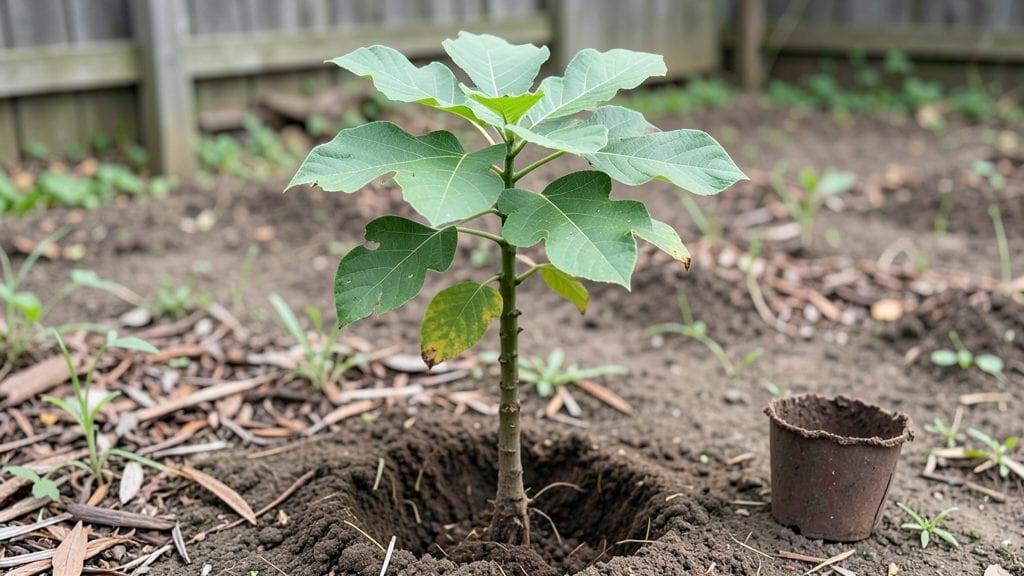
Planting a jackfruit tree starts with the right variety and a warm spot—because these tropical giants demand heat to thrive. 🌿 I learned the hard way that even a single cold snap can stunt growth, so I now plant only cold-hardy varieties like 'Jumbo' or 'Golden Ice' in zones 10-12, or grow them in containers if I'm in cooler areas.
The secret isn't just the soil or water; it's matching the tree's needs to your climate before the first shovel hits the ground.
You'll need well-draining soil mixed with compost, a hole twice as wide as the root ball, and a sunny location with at least 6 hours of direct light daily. Most beginners overwater or plant too deep, which suffocates the roots.
I dig my hole slightly higher than the nursery pot's base to prevent water pooling, then backfill with a mix of native soil and coconut coir for that tropical moisture balance.
After planting, keep the soil consistently moist but never soggy—think damp sponge, not swamp. Within 3-4 weeks, you'll see new growth as a sign it's settling in.
The first year is all about patience; jackfruit trees grow slowly but reward you with fragrant flowers by year three and fruit by year five if you've nailed the basics.
For container growers, choose a 15-gallon pot with drainage holes and upgrade to 30 gallons by year two. No matter where you plant, mulch heavily to retain moisture and protect roots from temperature swings. The key to long-term success? Less is more—jackfruit trees hate fussing, but they love stability.
📚 In This Guide
- What you need
- Instructions
- Tips and common mistakes
- Wrapping up and next steps
What you need
- ● Jackfruit seeds: 1–3 fresh, viable seeds (harvested from ripe fruit; avoid dried or store-bought seeds)
- ● Potting soil: 5–10 gallons of well-draining, slightly acidic soil (pH 6.0–6.5) with compost or coconut coir
- ● Planting container: 1 large pot (10+ inches deep) with drainage holes or a direct planting spot in tropical/subtropical climates (USDA zones 10–11)
- ● Garden trowel: 1 (for digging holes or transplanting)
- ● Watering can or hose: 1 (with a gentle spray nozzle)
- ● Fertilizer: 1 balanced, slow-release fertilizer (10-10-10 NPK ratio) or organic options like compost tea
- ● Mulch: 2–3 inches of organic mulch (straw, wood chips, or pine bark) to retain moisture
- ● Seed germination kit: Paper towels + plastic bag for pre-sprouting seeds (speeds up growth!)
- ● Pruning shears: 1 pair (for early shaping or removing weak shoots)
- ● Shade cloth: Lightweight mesh (30–50%) to protect young seedlings from harsh sun
- ○ Growth regulator: Optional rooting hormone for faster establishment
- ● Trellis or support: 1–2 stakes (if growing in windy areas)
Step-by-Step instructions for planting a jackfruit tree
Here’s the straightforward method I’ve used to establish healthy jackfruit trees—no complicated steps, just clear actions.
🌱 Step 1: Prepare the Planting Site
Jackfruit trees thrive in well-draining soil with a pH between 5.5 and 7.5. If your soil is heavy clay, mix in 3 cubic feet of compost per planting hole to improve drainage. Choose a spot with full sun exposure—at least 6-8 hours of direct sunlight daily—since jackfruit trees need warmth to fruit well. Mark the planting area with a 2-foot diameter circle to guide digging.
Dig a hole twice as wide as the root ball but only as deep as the container the tree came in. Loosen the sides of the hole with a shovel to encourage root spread. Avoid compacting the soil—jackfruit roots need room to expand. If planting in a container, use a 5-gallon pot with drainage holes and fill it with a mix of potting soil and perlite for aeration.
🪴 Step 2: Remove the Tree from Its Container
Gently squeeze the sides of the container to loosen the root ball before sliding the tree out. If roots are tightly bound, use your fingers to tease them apart—this prevents root circling, which stunts growth. Hold the tree by its trunk or base, never the leaves, to avoid damage. Inspect the roots for any that are dry, mushy, or discolored—trim these away with clean pruners before planting.
Place the tree in the hole so the top of the root ball sits level with the surrounding soil. Jackfruit trees hate having their trunks buried too deep, which can cause rot. If the hole is deeper than needed, add a 2-inch layer of gravel at the bottom for drainage. Fill the hole halfway with soil, then water deeply to settle it before adding more.
☀️ Step 3: Plant and Water Deeply
Backfill the hole with soil, pressing gently around the roots to remove air pockets. Avoid compacting too hard—this restricts root growth. Once the hole is filled, create a 2-inch-high berm around the base to help direct water to the roots during irrigation. Water the tree deeply until the soil is moist 6 inches down—this encourages roots to grow downward for stability.
Mulch the area with 2-3 inches of organic mulch, like wood chips, keeping it 6 inches away from the trunk to prevent rot. Mulch helps retain moisture and regulates soil temperature, which is especially important in hot climates. Water again after mulching to settle everything in place. Avoid overwatering—jackfruit trees are drought-tolerant once established.
💧 Step 4: Establish a Watering Schedule
For the first 2 weeks, water the tree every 2-3 days to keep the soil consistently moist but not soggy. After that, reduce to once a week, adjusting based on rainfall. Jackfruit trees need 1-2 inches of water per week during dry spells, but they’ll signal thirst by drooping leaves or crisping leaf edges. Always water at the base of the tree, not the leaves, to prevent fungal diseases.
Once the tree is 1 year old, it can handle longer dry spells. At this stage, water deeply every 10-14 days unless there’s heavy rain. Overwatering is the biggest mistake—jackfruit roots rot easily in waterlogged soil. Check moisture by sticking your finger 2 inches into the soil; if it’s dry, it’s time to water.
✂️ Step 5: Prune for Shape and Health
Jackfruit trees grow fast, so prune in late winter or early spring before new growth starts. Remove any dead, diseased, or crossing branches first using sterilized pruners. Cut just above a leaf node or outward-facing bud to encourage healthy growth. Thin out crowded branches to improve airflow—this reduces humidity around the tree, lowering disease risk.
Shape the tree by trimming back overly long branches to maintain a balanced form. Avoid heavy pruning—jackfruit trees fruit on new growth, so don’t remove more than 20% of the canopy at once. Fertilize lightly in spring and summer with a balanced 10-10-10 fertilizer to support growth, but skip fertilizer in the first 3 months after planting to avoid burning young roots.
🌿 Step 6: Protect and Monitor for Pests
Young jackfruit trees are vulnerable to aphids, mealybugs, and scale insects, which suck sap and weaken the plant. Inspect leaves weekly for sticky residue (honeydew) or tiny crawling insects. Spray infestations with neem oil or insecticidal soap, applying in the early morning or evening to avoid harming beneficial insects. For severe cases, repeat treatment every 5-7 days until pests are gone.
Watch for leaf curl or yellowing, which can signal nutrient deficiencies. If leaves turn yellow between veins, the tree may need more iron or magnesium—apply a chelated iron supplement according to package instructions. Jackfruit trees also attract fruit flies once they start producing fruit; cover young fruit with fine mesh bags until harvest to deter them. With consistent care, your tree will reward you with harvest-ready jackfruit in 3-5 years.
Tips & tricks for planting a jackfruit tree
Here's what I've learned from years of growing jackfruit trees—simple tricks that make all the difference between a struggling plant and a thriving tropical beauty.
Soil Preparation Secret: In Step 1, when amending heavy clay soil, I like to add an extra 1 cubic foot of coarse sand along with the compost. This creates better drainage while maintaining moisture—jackfruit roots need that balance. If you're unsure about your soil type, do the squeeze test: grab a handful and try to form a ball. If it holds tight, you've got clay. If it crumbles easily, you're good to go.
Root Handling Technique: During Step 2, when teasing apart tightly bound roots, I always use my fingers rather than a knife. The goal is to gently separate without cutting—think of it like unraveling a ball of yarn. This prevents shock to the tree and encourages faster root expansion once planted. Trust me on this: rough handling can set your tree back for months.
Watering Wisdom: In Step 3, when creating that 2-inch-high berm, I recommend using native soil rather than mulch for the berm itself. This helps prevent erosion while directing water exactly where the roots need it. After watering, I always check the moisture at 6 inches down by pushing my finger in—if it feels dry, give it another drink. This prevents both underwatering and the dreaded overwatering that leads to root rot.
Pruning Precision: When pruning in Step 5, I mark my cuts with a piece of chalk before making them. This helps me visualize the final shape and ensures I'm cutting just above those leaf nodes. I also keep my pruners clean by wiping them with rubbing alcohol between cuts—this prevents spreading any potential diseases between branches. Remember, jackfruit trees fruit on new growth, so we're being careful not to remove too much.
Pro Tips for Planting Jackfruit Tree
- Here's what I've learned from years of growing jackfruit trees—simple tricks that make all the difference between a struggling plant and a thriving tropical beauty.
- Soil Preparation Secret: In Step 1, when amending heavy clay soil, I like to add an extra 1 cubic foot of coarse sand along with the compost.
- Root Handling Technique: During Step 2, when teasing apart tightly bound roots, I always use my fingers rather than a knife.
Frequently asked questions
Got questions about growing your own jackfruit tree?
You’re not alone—this tropical fruit is stunning but comes with unique challenges. Here are answers to the most common queries to help you plant with confidence!
When is the best time to plant a jackfruit tree?
The ideal time to plant jackfruit is during the early rainy season (spring/summer in tropical climates) or late fall in warmer regions. This gives seedlings enough moisture to establish roots before dry spells. If planting in containers, timing matters less—just ensure consistent warmth (above 60°F/15°C). Avoid frost-prone areas!
Can I grow a jackfruit tree in a pot, or does it need a yard?
Jackfruit can thrive in large containers (15+ gallons) for 3–5 years, but they’re not long-term pot plants. Choose a dwarf variety (like ‘Golden Ice’) if space is limited, and upgrade to ground planting once the tree outgrows its container. Ensure pots have drainage holes and use well-draining soil to prevent root rot.
Why isn’t my jackfruit tree fruiting? What am I missing?
Jackfruit trees need 3 key things to fruit: age (5+ years), warmth (full sun, 75–90°F/24–32°C), and pollination. If your tree has flowers but no fruit, hand-pollinate with a small brush or attract bees. Check for pests (like fruit flies) or nutrient deficiencies—yellow leaves may signal low nitrogen or potassium.
How do I protect my jackfruit tree from pests or diseases?
Common threats include fruit flies, anthracnose fungus, and root rot. Prevent issues with neem oil sprays, proper spacing (15–20 ft apart), and avoiding overwatering. Prune for airflow, and mulch to retain moisture. If you spot brown spots on leaves, remove affected areas immediately and treat with copper fungicide.
Can jackfruit trees grow in non-tropical climates (e.g., California, Florida)?
Yes! Jackfruit thrives in USDA Zones 10–11 but can survive in Zone 9 with winter protection (mulch, frost cloth). In cooler areas like California, plant near a south-facing wall or grow in containers you can move indoors during cold snaps. Varieties like ‘Jumbo’ tolerate slightly cooler temps better than others.
Wrapping up and next steps
Planting a jackfruit tree is a rewarding journey that brings tropical beauty and delicious fruit to your backyard! 🌱 With the right soil, sunlight, and care, you’ll soon enjoy a thriving tree that can last for decades.
Whether you’re a beginner or a seasoned gardener, these six simple steps make it easy to grow your own jackfruit—so roll up your sleeves and get ready to harvest nature’s bounty!
Now that you’re equipped with the knowledge, take the first step today—pick your spot, gather your supplies, and start planting! Your future jackfruit tree (and your taste buds) will thank you. Happy gardening! 🌿