
Companion Plants
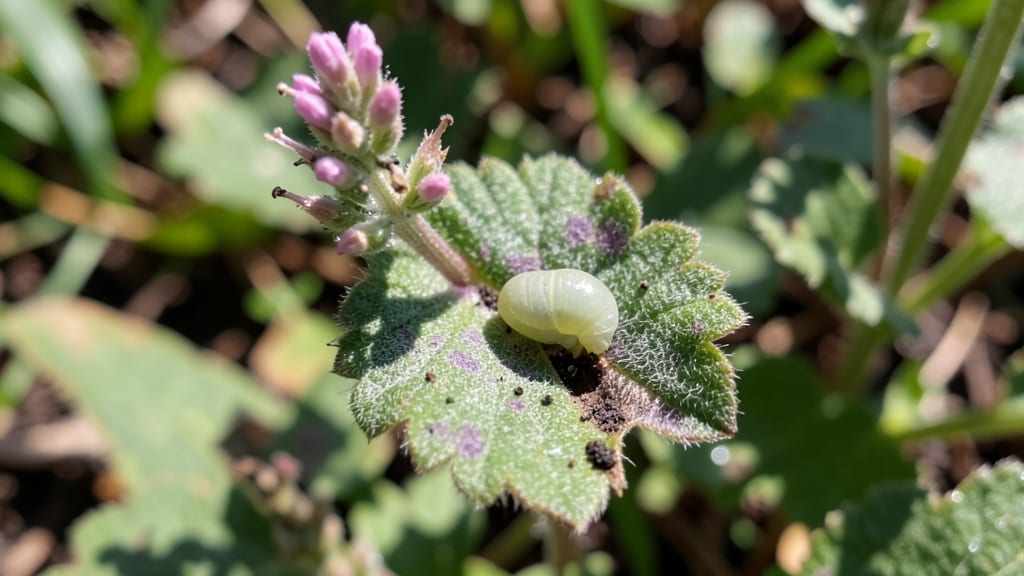
The plants slugs hate might just save your garden—here’s which ones I’ve relied on to keep those slimy pests away. 🌿 I’ve learned the hard way which varieties slugs avoid—and how to use them as living barriers in my own garden.
The trick lies in their scent, texture, or toxicity, which makes them unappealing to slugs.
Lavender, geraniums, and onions top the list because their strong fragrances confuse slugs’ scent trails. Planting them around vulnerable crops creates a natural perimeter that slugs won’t cross. Even marigolds and thyme work well—their sharp aromas deter slugs while adding beauty to your garden.
By strategically placing these plants, you’ll see fewer slug trails and more intact leaves. The best part? These slug-hating plants also improve your garden’s appearance and resilience. Once you set up your barrier, slugs will think twice before venturing near.
For extra protection, combine these plants with organic methods like copper tape or diatomaceous earth. The combination creates an almost impenetrable defense for your garden’s most delicate plants.
📚 In This Guide
- What you need
- Instructions
- Tips and common mistakes
- Wrapping up and next steps
What you need
- ● Slug-hating plants (5+ varieties, depending on garden size): Lemongrass (10–15 stalks)
- ● Geraniums (3–5 plants)
- ● Thyme (1–2 plants, ground cover or pots)
- ● Mint (1–2 plants, contained in pots to avoid spreading)
- ● Marigolds (5–10 plants)
- ● Garlic chives (1–2 plants)
- ● Onions or shallots (5–10 bulbs/plants)
- ● Garden tools: Trowel or hand shovel (for planting)
- ● Gloves (to protect hands from soil and plant sap)
- ● Watering can or hose (with a gentle spray nozzle)
- ● Pruners (for trimming plants as needed)
- ○ Optional but helpful: Copper tape (1–2 rolls, 1–2 inches wide, for edging borders)
- ● Diatomaceous earth (food-grade, 1–2 lbs, for sprinkling around plants)
- ● Wood ash (from untreated wood, 1–2 cups, for light mulching)
- ● Gravel or crushed eggshells (1–2 bags, for creating physical barriers)
- ● Compost or organic mulch (2–3 cubic feet, to retain moisture and deter slugs)
Step-by-Step guide to creating a slug-proof garden
Here’s how to design a natural, slug-resistant garden that thrives without chemicals.
🌱 Step 1: Choose Slug-Deterring Plants for Your Layout
Start by selecting plants slugs naturally avoid—like lavender, rosemary, or geraniums. These release strong scents that repel pests. I like to plant them in clusters along garden edges or near vulnerable crops. For a 4-plant barrier, mix two strong deterrents (like lavender and rosemary) with two ornamental fillers (geraniums and marigolds). This creates a sensory wall slugs won’t cross.
Slugs dislike plants with fuzzy leaves or strong fragrances. Look for varieties like lamb’s ear, dusty miller, or thyme. These textures and aromas confuse slugs’ slimy navigation systems. Place them where slugs typically enter—near pathways, fences, or low-lying areas where moisture collects.
🌿 Step 2: Layer with Physical and Textural Barriers
Combine plants with rough-textured mulches like pine needles or coarse gravel. Slugs can’t traverse these surfaces easily. I spread a 2-inch layer of pine straw around the base of my slug-hating plants, then top it with crushed eggshells or diatomaceous earth. The jagged edges cut their slimy bodies while keeping soil moist for roots.
Add raised beds or edging made from materials like copper tape (which gives slugs a mild electric shock). For a 4-plant setup, install copper strips around the perimeter of each cluster. The combination of physical barriers and plant scents creates an impenetrable defense. Check edges weekly for gaps where slugs might squeeze through.
☀️ Step 3: Optimize Light and Moisture Conditions
Slugs thrive in damp, shady spots. To outsmart them, position your slug-deterring plants in full sun to partial shade (at least 4-6 hours of sunlight daily). Dry conditions naturally discourage slug activity. I water my barrier plants in the morning so foliage dries quickly, reducing slug-friendly humidity.
If your garden has naturally damp areas, add a 1-inch layer of coarse sand around plant bases. This improves drainage while creating an inhospitable surface for slugs. Avoid overhead watering—it keeps leaves damp longer, making them more appealing to slugs. Instead, water at the soil level with a drip irrigation system or soaker hose.
✂️ Step 4: Maintain with Regular Pruning and Inspections
Prune plants regularly to remove damaged or slug-eaten leaves. Slugs are drawn to decay, so keeping your garden tidy removes their food sources. I inspect my slug-deterring plants every 3-4 days during peak slug season (spring and fall) and trim any chewed foliage immediately. This sends a message to slugs that the area isn’t worth invading.
Rotate plants seasonally to prevent slugs from learning patterns. For example, swap out summer lavender for winter rosemary—slugs won’t recognize the new scent profile. Keep mulch fresh by replenishing it every 2-3 months to maintain its slug-repelling texture. A well-maintained barrier garden stays effective year-round.
Tips & tricks for perfect slug-repelling plant barriers
A few smart strategies will help you create an even more effective slug-proof garden that keeps working year after year.
Plant Placement Strategy: When creating your 4-plant barrier clusters in Step 1, position them slightly uphill from vulnerable plants. Slugs are terrible climbers, and this elevation change makes your deterrent plants even more effective. I like to create gentle mounds about 2-3 inches high where I plant my lavender and rosemary clusters. This simple elevation trick makes a surprisingly big difference in slug deterrence.
Mulch Layering Technique: For the 2-inch layer of pine straw mentioned in Step 2, I recommend mixing in about 10% diatomaceous earth by volume. This creates a double barrier that's even more effective. The pine straw provides the physical texture slugs hate, while the diatomaceous earth adds microscopic sharp edges that damage their slimy bodies. Just be sure to reapply every 2-3 months as instructed—both materials break down over time.
Light Optimization: The 4-6 hours of sunlight recommendation in Step 3 is perfect, but here's a pro tip: if your garden has areas with less than 4 hours of direct sun, consider using silverleaf geraniums instead of regular geraniums. Their silvery foliage reflects more light, effectively increasing sunlight exposure for nearby plants. This helps maintain dry conditions that slugs avoid, even in shadier spots.
Seasonal Rotation Insight: When rotating plants seasonally as mentioned in Step 4, I've found that pairing strong-scented plants with those that have fuzzy leaves works best. For example, combine winter rosemary with lamb's ear—the rosemary's scent repels slugs while the fuzzy lamb's ear leaves physically deter them. This two-pronged approach creates a more comprehensive defense system that slugs can't easily bypass.
Pro Tips for Plants Slugs Hate
- A few smart strategies will help you create an even more effective slug-proof garden that keeps working year after year.
- Plant Placement Strategy: When creating your 4-plant barrier clusters in Step 1, position them slightly uphill from vulnerable plants.
- Mulch Layering Technique: For the 2-inch layer of pine straw mentioned in Step 2, I recommend mixing in about 10% diatomaceous earth by volume.
Frequently asked questions
Got questions about keeping slugs at bay with plants? You’re not alone! Here are some of the most common concerns—and straightforward answers—to help you garden with confidence.
Which plants are the most effective at repelling slugs?
Slugs despise strong scents and textures. The top contenders include garlic, chives, lavender, geraniums, and mint. These plants disrupt slugs’ slimy paths and deter them with their pungent aromas. Plant them near vulnerable crops like lettuce or hostas for a natural barrier!
How long does it take for these plants to work?
Results vary! Fast-acting options like garlic or chives may show effects within weeks as slugs avoid the area. Others, like lavender, take 1–2 growing seasons to establish strong roots and scent. Combine plants with physical barriers (like copper tape) for immediate protection.
Can I use these plants in containers or small gardens?
Compact slug-repelling plants
like dwarf garlic, thyme, or nasturtiums thrive in pots and deter slugs without taking up space. Just ensure containers have drainage to prevent slugs from hiding in soggy soil. Bonus: They add beauty and flavor to your space!
What if slugs still attack my plants?
Don’t panic! Try these troubleshooting tips:
- Add beer traps: Bury a shallow dish filled with beer near affected plants—slugs are attracted and drown.
- Handpick at night: Use a flashlight to spot and remove slugs after dark when they’re most active.
- Try diatomaceous earth: Sprinkle food-grade DE around plants (reapply after rain).
Are there any plants slugs love I should avoid?
Yes! Slugs adore tender, moist plants like hostas, lettuce, impatiens, and marigolds. If you must grow these, pair them with slug-repelling companions or use protective measures. Pro tip: Rotate crops annually to confuse slugs and reduce infestations!
Wrapping up and next steps
There you have it—nature’s secret weapon to keep slugs at bay without harsh chemicals! 🌿 By strategically planting slug-repelling companions like lavender, geraniums, and garlic, you’re not just protecting your garden—you’re creating a thriving, balanced ecosystem.
The best part? These plants add beauty, fragrance, and even culinary benefits to your space.
Ready to take action? Start small—pick one or two slug-hating plants from this list and plant them near your most vulnerable greens. Watch your garden flourish slug-free in no time! 🌱✨