Container Gardens
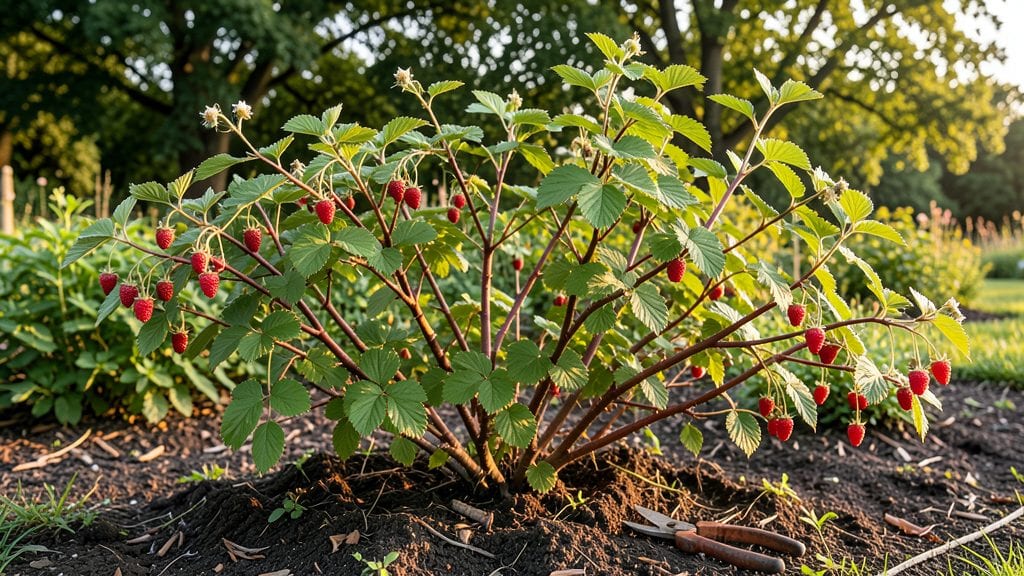
Transform your balcony into a berry paradise with these potted raspberry plants—I’ve grown thornless canes in 5-gallon containers for years, and they outshine my in-ground plants with sweeter fruit, no weeds, and zero rabbit raids.
The key is choosing the right variety and container setup that mimics their natural growing conditions.
Start with heritage or thornless varieties like 'Boyne' or 'Caroline,' which thrive in containers. You'll need pots at least 12 inches deep and 18 inches wide to give roots room to spread, plus drainage holes to prevent soggy soil.
A sturdy pot keeps the plant stable in windy spots, and a saucer underneath catches runoff while keeping roots moist.
Fill the pot with a mix of 60% potting soil and 40% compost, then feed with a balanced fertilizer every 4-6 weeks during growing season.
Place the pot in full sun (6+ hours daily), water deeply when the top inch of soil feels dry, and watch those canes send out new growth within weeks.
Winter care is simple: move pots to a sheltered spot, wrap the base in bubble wrap for insulation, and reduce watering. With proper pruning in early spring, you'll get another year of pint-sized harvests—no yard required. Let's get those berries growing!
📚 In This Guide
- What you need
- Instructions
- Tips and common mistakes
- Wrapping up and next steps
What you need
- ● Potted raspberry plants: 1-3 bare-root or container-grown canes (choose summer-bearing or everbearing varieties like 'Heritage' or 'Boyne').
- ● Containers: At least 18-24 inches deep and 12-18 inches wide (5-gallon buckets or fabric grow bags work great!). Ensure they have drainage holes.
- ● Potting mix: 1 part high-quality organic potting soil + 1 part compost (avoid garden soil—it compacts!).
- ● Slow-release fertilizer: Balanced 10-10-10 or organic options like fish emulsion or worm castings (follow label rates).
- ● Mulch: 2-3 inches of shredded bark, straw, or pine needles (retains moisture and regulates temperature).
- ● Garden trowel or small shovel (for planting).
- ● Watering can or hose with a gentle spray nozzle (raspberries hate soggy roots!).
- ● Pruners or shears (sterilized with rubbing alcohol).
- ○ Support system: Optional but recommended! Use bamboo stakes, trellis netting, or a DIY wire cage to train canes vertically.
- ● pH test kit (aim for 5.5–6.5; amend with sulfur or lime if needed).
- ● Container saucers or trays (to catch runoff and prevent messes).
- ● Sunlight: 6–8 hours of full sun daily (partial shade in hot climates helps).
- ● Location: A spot with good airflow (prevents fungal diseases like cane blight).
- ● Watering routine: Keep soil consistently moist but not waterlogged (containers dry out faster!).
- ● Patience: Raspberries take 1–2 years to bear fruit in pots, but the wait is worth it!
Step-by-step guide to cultivating potted raspberry plants
Here’s how to grow vigorous raspberry canes in containers with minimal fuss—ideal for patios, balconies, or small yards.
Select the Right Containers and Drainage
Raspberries need 12-inch-deep containers with drainage holes to prevent root rot. I recommend 5-gallon fabric grow bags or plastic pots with saucers—both allow roots to breathe while holding moisture. If using standard pots, drill extra holes along the sides for aeration.
Place a 2-inch layer of gravel or broken pottery at the bottom to improve drainage. This prevents water from pooling at the roots, which raspberries despise. Larger pots mean fewer plants per container—1-2 canes per 5-gallon bag ensures they don’t compete for nutrients.
Prepare a Well-Draining Soil Mix
Fill the pot with a 50/50 blend of potting mix and compost, then top with 1 inch of perlite or coarse sand to improve aeration. Raspberries thrive in slightly acidic soil (pH 5.5-6.5), so test your mix with a kit if unsure. I add a slow-release fertilizer (like 10-10-10) at planting time for a nutrient boost.
Water the mix thoroughly before planting—it should drain freely but retain moisture. If water runs straight through, add more compost to improve water retention. The goal is a balance: too sandy, and roots dry out; too dense, and roots suffocate.
Plant Bare-Root Canes Correctly
Soak bare-root canes in lukewarm water for 2 hours before planting to rehydrate the roots. Dig a hole twice as wide as the root ball and place the cane so the crown sits just above soil level—burying it too deep causes rot. Space multiple canes 6 inches apart in larger containers.
Gently press soil around the roots to eliminate air pockets, then water deeply. The first flush of new growth signals successful rooting. If leaves yellow, it’s often overwatering—raspberries prefer slightly dry soil between waterings once established.
Provide Support and Prune Strategically
Install 4-foot bamboo stakes or wire cages at planting to support canes as they grow. Raspberries need full sun (6-8 hours daily) and winter protection in cold climates. In zones 5-7, mulch heavily with straw or leaves after the first frost to insulate roots.
Prune in late winter before new growth starts: Remove dead or weak canes, then cut the strongest 12-inch shoots back to 4-5 buds. This encourages bushier growth. Avoid heavy pruning in summer—it stresses the plant and reduces fruit yield.
Fertilize and Water for Maximum Yield
Feed every 4-6 weeks with a balanced liquid fertilizer (like 20-20-20) during the growing season. Raspberries are heavy feeders, but too much nitrogen leads to leafy growth at the expense of fruit. Water deeply 1-2 times per week, letting the top 2 inches of soil dry between sessions.
Watch for yellow leaves—this often means iron deficiency or overwatering. If canes produce few berries, they may need more phosphorus (the middle number in fertilizer ratios). Harvest when fruit is deep red and plump, usually 60-70 days after flowering.
Tips & tricks for thriving potted raspberry plants
Growing raspberries in containers rewards patience and attention to detail—here’s how to ensure your canes flourish despite limited space.
Container Depth and Drainage: The 12-inch depth requirement isn’t arbitrary—raspberry roots need room to establish without circling the pot. If using standard pots, drill drainage holes not just at the bottom but also along the sides to prevent waterlogging. I’ve seen containers with only bottom drainage fail within months because roots suffocate when water pools at the base. For zones with heavy rainfall, consider elevated pots to improve drainage further.
Soil Mix Secrets: That 50/50 blend of potting mix and compost is your foundation, but don’t overlook the 1-inch perlite layer. It’s not just about aeration—perlite also helps maintain consistent moisture levels without compacting the soil. If your mix drains too quickly, add a bit more compost; if water pools, mix in additional perlite. The goal is a texture that holds moisture like a well-wrung sponge. I’ve found that adding worm castings to the mix at planting time gives an extra nutrient boost without risking over-fertilization.
Planting Precision: The 2-hour soaking of bare-root canes is critical—it rehydrates roots that might otherwise dry out during handling. When positioning the crown just above soil level, use your finger to create a slight mound of soil around the base. This prevents water from pooling against the stem, which can cause rot. I’ve made the mistake of planting too deeply, and within weeks, the cane showed signs of crown rot despite otherwise perfect care.
Winter Protection Strategy: For zones 5-7, that heavy mulch layer after the first frost isn’t just decoration—it’s insulation. I recommend using straw rather than leaves, as straw provides better airflow and resists compaction. If you’re in a particularly cold zone, consider wrapping the container with bubble wrap or moving it to a sheltered location. The key is protecting the roots, which are far more vulnerable than the canes themselves.
Pro Tips for Potted Raspberry Plants
- Growing raspberries in containers rewards patience and attention to detail—here’s how to ensure your canes flourish despite limited space.
- Container Depth and Drainage: The 12-inch depth requirement isn’t arbitrary—raspberry roots need room to establish without circling the pot.
- Soil Mix Secrets: That 50/50 blend of potting mix and compost is your foundation, but don’t overlook the 1-inch perlite layer.
Frequently asked questions
Got questions about growing potted raspberry plants? You’re not alone! Here are answers to the most common queries to help you cultivate thriving canes in containers with confidence.
What size pot is best for raspberry plants?
For healthy growth, choose a pot at least 18–24 inches wide and deep—raspberries need room for roots and support. Smaller pots (12–15 inches) work for dwarf varieties but require frequent watering and may limit fruit yield. Add drainage holes to prevent root rot!
How long does it take for potted raspberries to bear fruit?
Patience is key! Most raspberry canes take 1–2 years to fruit in pots. Summer-bearing varieties produce in their second year, while everbearing types may yield small harvests in the first year. Prune old canes annually to encourage new, productive growth.
Can I grow raspberries in pots year-round?
Yes, but protect them in winter! Move pots to a sheltered spot (like a garage or under eaves) when temps drop below 20°F (-7°C). Mulch with straw or burlap to insulate roots. In mild climates, evergreen varieties may survive outdoors with winter care.
What pests should I watch for in potted raspberries?
Common issues include spider mites, aphids, and Japanese beetles. Inspect leaves regularly for yellowing, webbing, or holes. Spray with neem oil or insecticidal soap early. Birds love raspberries too—cover plants with netting if needed!
Are there raspberry varieties that thrive better in containers?
Try dwarf or compact varieties like ‘Tulameen’ (summer-bearing) or ‘Heritage’ (everbearing). These stay small, produce well, and adapt to pots. Avoid large, vigorous types like ‘Boyne’ unless you’re committed to pruning and large containers.
Wrapping up and next steps
Growing potted raspberry plants is a rewarding way to enjoy fresh berries—even in small spaces! With the right container, soil, and care, your canes will thrive year-round, delivering sweet rewards with minimal effort. Whether you’re a beginner or a seasoned gardener, the key is patience, consistency, and a little creativity.
Ready to harvest your own berries? Start by selecting your favorite variety and give your potted raspberries the love they deserve—your taste buds (and Instagram feed) will thank you! 🌱🍓