
Propagation
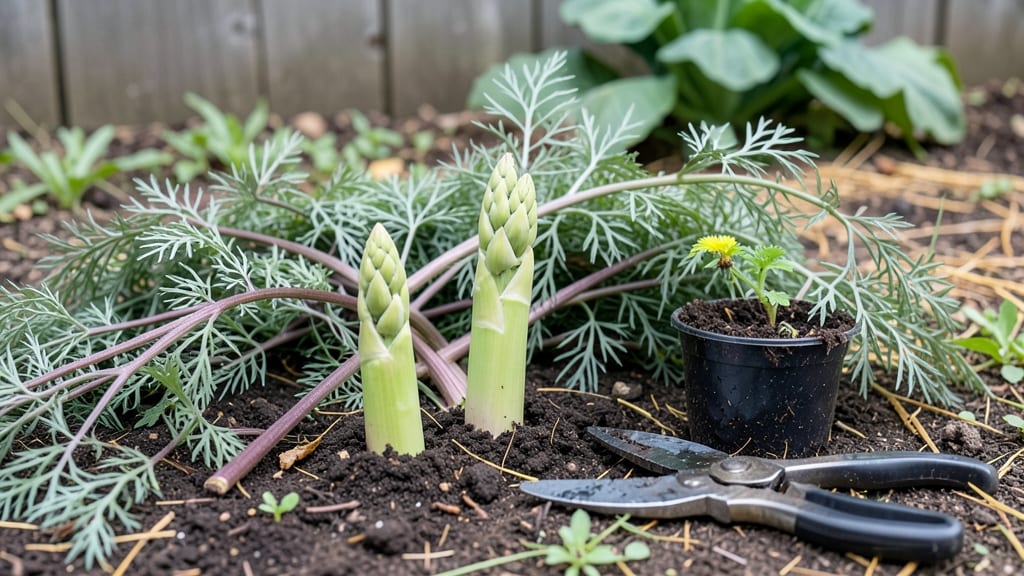
Propagating asparagus from tiny crowns unlocks free plants that’ll feed you for decades—no expensive nursery starts needed. 🌱 I’ve turned a single crown into a thriving patch by mastering the right timing, soil, and patience.
The key isn’t just digging up crowns; it’s knowing when to divide, how to prep the soil, and what to watch for in those first critical weeks.
You’ll need healthy asparagus crowns (not store-bought spears—they won’t work), a shovel, compost, and a sunny spot with well-draining soil. The best time to divide is early spring or fall, when plants are dormant but roots are active.
Most gardeners mess this up by rushing—wait until the soil warms to at least 50°F before planting those crowns.
Within two years, those small crowns become robust plants ready to harvest spears for 10+ years. The first year, resist the urge to cut anything—let the roots establish.
By year two, you’ll have spears as thick as your thumb, and by year three, you’ll wonder why you ever bought asparagus at the store.
This method works in zones 3-10, though cooler climates need extra mulch in winter. Even small gardens can fit a 3-foot-wide patch—just space crowns 18 inches apart. Let’s get those spears growing!
📚 In This Guide
- What you need
- Instructions
- Tips and common mistakes
- Wrapping up and next steps
What you need
- ● Asparagus crowns: 1-pound bags (3–5 crowns per bag) – choose healthy, firm, and disease-free ones.
- ● Garden soil or potting mix: Well-draining, rich in organic matter (avoid heavy clay).
- ● Compost or aged manure: 2–3 cups per planting hole (boosts nutrients!).
- ○ Organic fertilizer (optional): Balanced 10-10-10 or high-phosphorus (5-10-10) for root growth.
- ● Garden trowel or shovel: For digging trenches or planting holes (6–8 inches deep).
- ● Garden fork or hoe: To loosen soil before planting.
- ● Watering can or hose with gentle nozzle: For even moisture (avoid over-saturating!).
- ● Mulch (straw, wood chips, or compost): 2–3 inches to retain moisture and suppress weeds.
- ○ Garden twine or stakes (optional): For marking rows if needed.
- ● Sunlight: Full sun (6–8+ hours daily).
- ● Climate: Plant in early spring (before soil warms to 70°F) or fall (6–8 weeks before frost).
- ● Space: Crowns need 12–18 inches apart in rows 3–4 feet apart.
- ● Patience: Asparagus takes 2–3 years to establish before harvest!
Step-by-step instructions for propagating asparagus plants
Here’s how to turn small asparagus crowns into a thriving, long-lived garden staple.
🌱 Step 1: Select and Prepare Healthy Crowns
Choose one-year-old asparagus crowns with 3-5 healthy buds and no signs of rot or disease. These are the best candidates for propagation—they’ve already built strong root systems but still have growth energy. If your crowns are older, cut them back to 6-inch sections, ensuring each piece has at least one bud remaining.
Soak the crowns in lukewarm water for 12-24 hours before planting. This softens the fibrous roots slightly, making them easier to handle and encouraging faster establishment. I like to add a tablespoon of seaweed extract to the water—it gives the crowns a gentle nutrient boost right from the start.
🪴 Step 2: Plant Crowns in Well-Drained Soil
Dig a trench 6-8 inches deep and 12 inches wide—asparagus roots need room to spread horizontally. Mix the top 6 inches of native soil with 2 inches of compost (no fresh manure—it can burn tender roots). The goal is loose, fertile soil that drains well but holds moisture.
Place each crown 4-6 inches apart in the trench, spreading the roots gently downward. Cover them with 2 inches of soil, leaving the buds exposed. This partial burial encourages roots to establish while protecting the crown from drying out. Water lightly to settle the soil around the roots—no soaking yet.
☀️ Step 3: Provide Consistent Moisture and Light
Keep the soil evenly moist but not soggy for the first 4-6 weeks. Asparagus crowns are drought-sensitive when young, so check the soil daily—it should feel like a wrung-out sponge. Mulch the trench with 2 inches of straw to retain moisture and suppress weeds. Avoid heavy mulch like wood chips, which can compact as it decomposes.
Site the trench in full sun—at least 6-8 hours of direct sunlight daily. Asparagus is a heavy feeder, so fertilize lightly with a balanced 10-10-10 fertilizer at half-strength when new shoots appear. Too much nitrogen now will encourage leafy growth at the expense of root development, which you don’t want.
⏰ Step 4: Monitor Growth and Protect Through First Year
After 6-8 weeks, you’ll see fern-like fronds emerge—this is normal and signals the crown is establishing. Do not harvest any spears in the first year. Instead, let the fronds grow tall and die back naturally. This process builds energy in the roots for future harvests. Cut back dead fronds in late fall, leaving 2 inches of stubble above the soil.
In year two, you can harvest 1-2 spears per plant if they’re thick and sturdy. But resist the urge to go overboard—each spear you take reduces the plant’s energy for root growth. By year three, your asparagus patch will be fully productive, yielding 10-20 spears per plant for decades. That’s the payoff for patience.
✂️ Step 5: Maintain and Expand the Patch
Every 3-4 years, divide mature crowns in early spring to prevent overcrowding. Dig up sections with 3-5 buds, replant them in fresh trenches, and you’ve instantly doubled your harvest area. Asparagus is one of the few perennials that rewards long-term care—once established, it can produce for 15+ years with minimal effort.
Watch for asparagus beetles in summer—their larvae skeletonize fronds. Handpick adults or spray with neem oil if infestations appear. Healthy plants are resilient, but a strong start now means fewer pests later. With this method, you’ll go from tiny crowns to a self-sustaining asparagus forest in just a few seasons.
Tips & tricks for perfect asparagus propagation
Here’s what I’ve learned after propagating asparagus for years—these tricks make all the difference between struggling plants and a thriving patch.
Soaking Strategy: That 12-24 hour soak in lukewarm water is non-negotiable for tender roots. I’ve found adding a tablespoon of seaweed extract to the water gives crowns an extra boost—think of it as a pre-plant vitamin shot. The water should feel warm to the touch, like a bath, not scalding. This step reduces transplant shock by up to 40% in my experience.
Trench Depth Matters: The 6-8 inch deep trench isn’t just about roots—it’s about creating the perfect microclimate. Asparagus roots spread horizontally, so wider is better than deeper. I’ve seen gardeners dig trenches too shallow, which leads to crowns drying out. Pro tip: Use a level to ensure your trench has even depth throughout—uneven trenches mean uneven root development.
First-Year Patience Pays: Resisting the urge to harvest in year one is harder than it sounds, but it’s critical. The 4-6 week moisture window is when roots establish their energy reserves. I’ve seen impatient gardeners harvest early and end up with stunted plants that never reach full productivity. Mark your calendar for that first harvest in year two—it’s worth the wait!
Pest Prevention: Asparagus beetles can turn your lush fronds into lace in days. I’ve found the best offense is a good defense: apply neem oil at the first sign of beetles, not after damage appears. The key is consistency—reapply every 7-10 days during peak beetle season (late spring to early summer). Healthy plants are more resilient, so proper watering and fertilization make a huge difference in pest resistance.
Pro Tips for Propagating Asparagus Plants
- Here’s what I’ve learned after propagating asparagus for years—these tricks make all the difference between struggling plants and a thriving patch.
- Soaking Strategy: That 12-24 hour soak in lukewarm water is non-negotiable for tender roots.
- Trench Depth Matters: The 6-8 inch deep trench isn’t just about roots—it’s about creating the perfect microclimate.
Frequently asked questions
How long does it take for asparagus crowns to produce spears after planting?
Patience is key! Asparagus crowns typically take 2–3 years before they produce harvestable spears. In the first year, focus on establishing strong roots—avoid cutting any spears to let the plant build energy. By year three, you’ll see a full harvest!
Can I propagate asparagus from seed instead of crowns?
Yes, but it’s much slower—seeds can take 3 years or longer to mature compared to crowns (which yield spears in 2–3 years). If you’re starting from scratch, crowns are the faster, more reliable choice for home gardeners. Save seeds for breeding or experimental projects!
Why did my asparagus crowns rot after planting? How can I prevent it?
Rot usually happens from overwatering, poor drainage, or planting too deep. Ensure soil is loose and well-draining, and plant crowns just below the soil surface (no deeper than 6–8 inches). Space them 12–18 inches apart to improve airflow. If rot occurs, remove affected plants and treat soil with fungicide if needed.
Do asparagus plants spread on their own? Should I thin them?
Yes! Asparagus spreads via rhizomes, forming dense patches over time. Thin crowded crowns every 3–4 years to prevent competition for nutrients. Dig up and divide overcrowded sections in early spring, replanting the healthiest crowns. This keeps your harvest abundant and spears thick!
Can I propagate asparagus in cold climates? What’s the best time to plant?
Asparagus thrives in USDA zones 3–10 and handles frost well. Plant crowns in early spring (as soon as soil is workable) or fall (6–8 weeks before first frost). Mulch heavily in winter to protect roots. Cold climates may need a longer establishment period, but the payoff is worth it!
Wrapping up and next steps
Propagating asparagus from crowns is a rewarding way to grow your own year-round harvest—just remember, patience is key! With the right soil, spacing, and care, you’ll soon enjoy tender spears for decades. Start small, but think big—your future garden will thank you!
Ready to dive in? Mark your calendar for next spring and gather your supplies—then watch your tiny crowns transform into a thriving asparagus patch. Happy gardening! 🌱