
Pruning
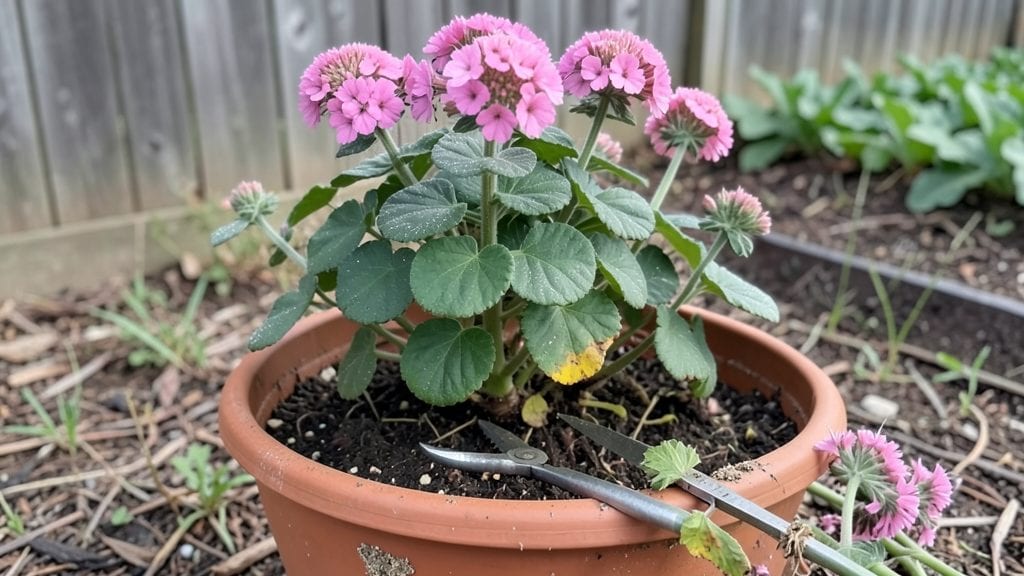
Pruning geranium plants isn't just about cutting back—it’s the secret to keeping them blooming like crazy all season long. 🌸 I’ve seen geraniums go from leggy and sparse to bursting with flowers just by making a few simple cuts at the right time.
The key is understanding when to prune, how much to trim, and which tools to use so you don’t accidentally kill the plant.
You’ll need sharp pruners (dull blades crush stems), a small bucket for clippings, and maybe a pair of gloves if your geraniums are thorny.
The best time to prune is right after the first flush of blooms fades in early summer, then again lightly in late summer to encourage new growth. Winter prep is different—here’s where you’ll protect those stems from frost while still keeping the plant healthy.
When you’re done, your geraniums will be fuller, stronger, and covered in blooms from spring through fall. The leaves stay vibrant green, the stems thicken, and you’ll notice fewer gaps where pests or disease could sneak in.
Proper pruning even helps geraniums survive winter better, so you’re not starting from scratch every spring.
Fair warning: Over-pruning in winter can kill the plant, and cutting too late in the season might stunt next year’s blooms. But once you get the timing right, your geraniums will reward you with nonstop color and a bushy shape that makes them the star of any garden bed.
Let’s get those shears out and make it happen!
📚 In This Guide
- What you need
- Instructions
- Tips and common mistakes
- Wrapping up and next steps
What you need
- ● Sharp pruning shears: Bypass pruners (4- to 6-inch blades) for clean cuts on stems up to ½ inch thick. Pro tip: Sterilize with rubbing alcohol to prevent disease! 🌡️
- ● Clean, sharp scissors or secateurs: For smaller stems or deadheading (1 pair per plant to avoid cross-contamination).
- ● Gloves: Lightweight gardening gloves (nitrile-coated for grip) to protect hands from thorns and sap.
- ○ Disinfectant (optional but recommended): 70% isopropyl alcohol or a 10% bleach solution (1 part bleach to 9 parts water) to sanitize tools between cuts.
- ● Good weather: Prune on a dry, overcast day or early morning to reduce stress on plants. Avoid midday heat!
- ● Healthy plants: Wait until geraniums are actively growing (spring or early summer) or after flowering (late summer/fall). Skip pruning if plants are stressed or diseased.
- ○ Water: Lightly water plants the day before pruning to soften stems (optional but helpful for cleaner cuts).
- ● Compost bin or trash bag: For disposing of pruned stems (compost if disease-free!).
- ● Plant food: Balanced liquid fertilizer (10-10-10 or 20-20-20) to revive plants post-pruning.
- ● Mulch: Organic mulch (like shredded bark) to retain moisture and protect roots after trimming.
- ● Plant markers: If propagating from cuttings, label stems with plant tags and a permanent marker.
- ○ Rooting hormone (optional): For cuttings—dip stems in powder or gel to encourage root growth.
Step-by-step instructions for pruning geranium plants
Here’s how I keep my geraniums blooming nonstop—just follow these simple steps.
✂️ Step 1: Identify Healthy Growth and Dead Stems
Start by examining your geraniums for brown, crispy stems—these are dead and need removing. I grab a pair of clean, sharp pruners and snip just above a leaf node (the bump where leaves grow). This encourages new growth from that spot. Healthy stems feel firm and green, while dead ones snap easily.
Don’t cut into live tissue—you’ll see fresh green just under the dead part. If a stem is mostly green but wilted, wait a day to see if it recovers. Only prune what’s truly dead to avoid stressing the plant.
✂️ Step 2: Trim Back Leggy or Overgrown Stems
Leggy stems (tall, thin, with few leaves) mean your geranium needs a haircut. Cut these back by one-third to half their length, always just above a leaf node. This forces the plant to branch out and grow bushier, leading to more flowers. I like to step back and squint—I’m looking for a balanced shape, not a perfect dome.
If your geranium is still looking scraggly after trimming, repeat the process in 2-3 weeks. Geraniums are tough; they’ll bounce back with new growth within 10-14 days. Avoid cutting into old wood (thick, woody stems)—this won’t regrow.
✂️ Step 3: Deadhead Spent Blooms Regularly
Pinch or snip off faded flowers right at the base where they meet the stem. This prevents seed formation and redirects the plant’s energy into producing new blooms. I do this every 3-5 days during peak flowering season—it’s the secret to nonstop color.
Use your fingers for small flowers or pruners for clusters. If you miss a few, don’t stress—just keep up with it moving forward. The more you deadhead, the more blooms you’ll get. I promise!
☀️ Step 4: Adjust Pruning for Seasonal Growth
In spring, focus on removing winter damage and shaping the plant. In summer, deadhead religiously and trim leggy stems to encourage another flush of blooms. By fall, give your geraniums a light pruning to clean them up before winter—just remove dead growth and any weak stems.
Geraniums are hardy, so they’ll handle pruning year-round. Just avoid heavy cuts in late summer—this can stunt fall blooms. A little maintenance keeps them looking fresh and flowering like crazy.
Tips & tricks for pruning geranium plants
Geraniums reward consistent care with vibrant blooms all season long—here's how to keep them thriving.
The Leaf Node Secret: Always cut just above a leaf node when pruning stems. This tiny bump where leaves grow acts like a growth hormone factory for your plant. I’ve seen geraniums go from scraggly to bushy in just two weeks after proper pruning at these nodes.
Seasonal Timing Matters: Spring is your reset button—remove all winter damage and shape the plant. Summer is all about deadheading every 3-5 days to keep flowers coming. In fall, give them a light cleanup before winter, but avoid heavy cuts that might stunt new growth. I learned this the hard way after over-pruning in late summer and getting almost no fall blooms!
Tool Prep is Critical: Sterilize your pruners with rubbing alcohol before each use. This prevents spreading disease between plants. I keep a small bottle in my gardening toolkit and wipe them down between every few cuts. Sharp tools also make cleaner cuts that heal faster—dull blades crush stems instead of cutting cleanly.
Visual Cues for Healthy Growth: Healthy stems should feel firm and green when you gently squeeze them. Dead stems snap easily between your fingers. For leggy stems, look for the point where the stem starts getting thin and sparse—this is where you want to make your cut to encourage bushier growth.
Pro Tips for Pruning Geranium Plants
- Geraniums reward consistent care with vibrant blooms all season long—here's how to keep them thriving.
- The Leaf Node Secret: Always cut just above a leaf node when pruning stems.
- Seasonal Timing Matters: Spring is your reset button—remove all winter damage and shape the plant.
Frequently asked questions
Got questions about keeping your geraniums thriving with the right pruning? Here are answers to the most common ones—so you can enjoy those vibrant blooms all year long!
When is the best time to prune geraniums?
Prune geraniums in early spring (just as new growth starts) and again in late summer (after blooming slows). Avoid heavy pruning in fall if you’re bringing them indoors—let them rest instead. For container geraniums, light trims can happen year-round to encourage bushiness!
How much should I cut back my geraniums?
For spring pruning, trim back leggy stems by one-third to half their height. In late summer, cut back 1/3 of the oldest growth to promote fresh blooms. Never remove more than 1/3 at a time—this can stress the plant. Use clean, sharp shears for the cleanest cuts!
What if my geraniums look sad after pruning?
Don’t panic! Geraniums may look wilted for a few days post-prune, but they’ll bounce back. Ensure they’re in bright, indirect light and water only when the top inch of soil is dry. Overwatering after pruning can cause root rot—let the cuts heal first.
Can I propagate geraniums from pruned cuttings?
Snip healthy 3-4 inch stems (just below a leaf node) and remove lower leaves. Dip in rooting hormone (optional) and place in water or moist potting mix. Keep in warm, bright light (not direct sun) and roots should form in 2-4 weeks. Perfect for free plants!
Do I need to prune geraniums if they’re growing in pots?
Yes! Container geraniums benefit even more from pruning since they’re confined. Trim spent blooms regularly (deadheading) to encourage more flowers. In winter, reduce watering and let them rest—prune lightly in spring to refresh growth. Pots dry out faster, so check soil moisture often!
Wrapping up and next steps
Pruning your geranium plants is the secret to keeping them vibrant, blooming, and full of life—no matter the season! 🌸 By following the right techniques, you’ll encourage lush foliage, prevent leggy growth, and enjoy nonstop color in your garden.
Whether you’re a seasoned gardener or just starting out, a little regular care goes a long way.
Ready to transform your geraniums? Grab your shears, pick a sunny day, and get pruning—your plants (and future blooms!) will thank you. Happy gardening! 🌿