
Pruning
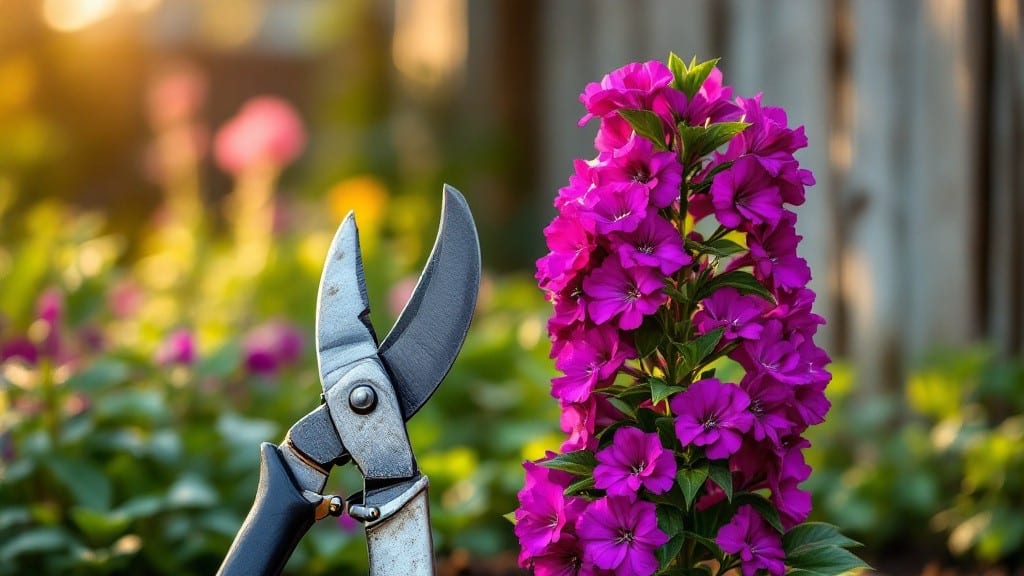
Pruning phlox plants isn’t just about cutting back—it’s the secret to year-round blooms that keep your garden vibrant from spring through fall. I’ve pruned phlox for over a decade, and the difference between a well-maintained clump and one left to its own devices is night and day.
The right timing and technique transform wild, leggy growth into a bushy, flower-covered powerhouse.
You’ll need just three basic tools: sharp pruning shears, gloves, and a clean bucket for clippings. The process takes about 20 minutes per plant, and the key is working in two phases—once in early spring and again after blooming.
This approach prevents disease, encourages dense foliage, and keeps flowers coming back stronger each season. Most gardeners skip the second prune, which is why their phlox peters out by midsummer.
What you’ll end up with is phlox that blooms continuously, not just in one flush. The stems stay sturdy, the flowers multiply, and you avoid the common problem of woody, bare centers.
Even if you’ve neglected pruning before, you can revive older clumps with this method—just be patient, and the results will surprise you. The best part? Your garden will stay colorful long after neighbors’ phlox have faded.
This technique works for both garden phlox and creeping phlox, though the timing adjusts slightly for each. Whether you’re dealing with a single plant or a border full of them, the principles remain the same. Let’s get those shears ready—your phlox will thank you for it.
📚 In This Guide
- What you need
- Instructions
- Tips and common mistakes
- Wrapping up and next steps
What you need
- ● Sharp, clean pruning shears – Bypass pruners (4-6 inches long) work best for clean cuts. Sterilize with rubbing alcohol before and after use.
- ● Hand pruners or hedge shears – For smaller branches or shaping. Opt for ergonomic handles if pruning for long periods.
- ● Garden gloves – Nitrile or leather gloves (size medium/large) to protect against thorns and dirt.
- ● Disposable gardening bags or bucket – To collect pruned stems and debris.
- ● Pruning saw – For thick, woody stems (rare in phlox but useful for older plants).
- ● Hose or spray bottle – To rinse tools and clean cuts if needed.
- ● Compost bin – For recycling pruned material (if disease-free).
- ● Knee pads or stool – For comfort, especially for larger or ground-level phlox.
- ● Know your phlox type – Perennial vs. annual affects timing (e.g., avoid pruning annual phlox until after flowering).
- ● Check the weather – Prune on a dry, overcast day to reduce stress on the plant.
- ● Identify dead/diseased stems – Remove these first to prevent spreading issues.
Instructions for pruning phlox plants
Here's my straightforward approach—no complicated rules, just clear steps to keep your phlox blooming beautifully.
Time Your Pruning for Best Results
Prune your phlox in early spring, right after the last frost but before new growth appears. This is typically late March to April in most climates. You'll know it's time when the soil warms up and you start seeing fresh green shoots pushing through the ground. Avoid pruning in fall or winter, as this can damage the plant's ability to rebound in spring.
If your phlox bloomed in the previous season, you can also give it a light trim after flowering to encourage a second flush of blooms. Just remove about one-third of the plant's height, cutting just above a set of leaves or buds. This keeps the plant looking tidy and may reward you with another round of flowers.
Gather Your Tools and Prepare the Plant
You only need clean, sharp pruning shears for this job—no fancy tools required. Sterilize your shears with rubbing alcohol before you start to prevent spreading disease. Look for any dead, damaged, or diseased stems first. These should be removed completely, cutting back to healthy growth. You'll often find them at the center of the plant or near the base.
Next, scan the plant for any stems that are crossing or rubbing against each other. These can create wounds where pests or diseases can enter. Snip them off at the base, making your cuts at a 45-degree angle just above a leaf node. This encourages new growth to sprout from that spot and keeps the plant looking full and healthy.
Shape the Plant for Full, Bushy Growth
Now it's time to shape the plant. Start by removing any stems that are growing inward or toward the center of the plant. Phlox needs good airflow to stay healthy, so open up the center by cutting back these stems to about half their length. Cut just above a set of leaves or a bud to encourage new growth in the right direction.
Next, trim any stems that are growing too long or leggy. You want to maintain a rounded, full shape. Cut back to a point where the stem is about one-third to one-half its original length, again making your cuts just above a leaf node. This will encourage the plant to branch out and fill in nicely, giving you that lush, bushy look you love in phlox.
Lightly Prune After Flowering for More Blooms
Once your phlox has finished flowering, give it a light trim to remove any spent blooms and encourage another round of flowers. Use your shears to snip off the faded flower heads, cutting back to just above the first set of healthy leaves or buds. This prevents the plant from putting energy into seed production and redirects it toward new growth and more blooms.
Be gentle with this pruning—you don’t want to cut into the woody stems. Just focus on the top third of the plant where the flowers were. After a few weeks, you should see fresh new growth emerging. This second flush of blooms will often be just as vibrant as the first, extending your phlox season well into summer.
Clean Up and Monitor for New Growth
After pruning, remove all the clippings and dispose of them in the trash or compost. Avoid leaving them on the ground, as they can harbor pests or diseases. Give your phlox a light watering to help it recover from the pruning. You'll want to keep the soil evenly moist but not soggy for the next few weeks to support new growth.
Watch your phlox closely over the next few weeks. You should see fresh green shoots emerging from the base of the plant within 10-14 days. This is a good sign that your pruning was successful. If you notice any yellowing leaves or wilting, it could be a sign of stress—just give the plant a little more time and keep the soil consistently moist.
Tips & tricks for pruning phlox plants
These simple strategies will help you keep your phlox thriving with minimal effort—just like the pros do.
Timing is Everything: Pay close attention to the late March to April window for spring pruning. If you miss this timing, you might accidentally prune off new growth that's just starting to emerge. I always check for fresh green shoots pushing through the soil before I begin—this is your cue that it's safe to prune. For that second flush of blooms, wait until after all flowers have faded completely before giving your plant a light trim.
Tool Preparation Makes All the Difference: Sterilizing your pruning shears with rubbing alcohol is a game-changer. I learned this the hard way after transferring a disease from one plant to another. Always clean your tools between plants, even if you're just working with one phlox. The 45-degree angle cut at the base of stems isn't just for looks—it helps water run off and prevents rot by keeping moisture away from the cut area.
Shape with Purpose: When you're cutting back those leggy stems to one-third to one-half their length, think about the plant's natural shape. Phlox loves to grow in a rounded form, so aim for that classic dome shape. The key is to cut just above a leaf node—this little detail makes all the difference in encouraging new growth in the right direction. If you're unsure where to cut, look for the small bump where leaves or buds are attached.
Post-Pruning Care is Critical: After you've finished pruning, don't just walk away. Remove all clippings immediately to prevent pests and diseases from taking up residence. That light watering afterward helps the plant recover faster, but be careful not to overdo it—soil should stay evenly moist, not soggy. Watch for those fresh green shoots within 10-14 days as your reward for a job well done.
Pro Tips for Pruning Phlox Plants
- These simple strategies will help you keep your phlox thriving with minimal effort—just like the pros do.
- Timing is Everything: Pay close attention to the late March to April window for spring pruning.
- Tool Preparation Makes All the Difference: Sterilizing your pruning shears with rubbing alcohol is a game-changer.
Frequently asked questions
Got questions about keeping your phlox plants happy and blooming? Here are some of the most common ones—plus expert answers to help you prune like a pro!
When is the best time to prune phlox for maximum blooms?
Prune after the first flush of blooms in early summer (around June) to encourage a second round of flowers. For garden phlox, cut back by one-third to promote bushier growth. In fall, trim back dead or woody stems to 6 inches above the ground for winter prep. Never prune in late summer or fall—this can stunt spring blooms!
How much should I cut back phlox in the fall?
For most phlox varieties, aim to trim stems down to 4–6 inches tall in late fall (after frost). This removes dead foliage and prevents disease while protecting the crown. Perennial phlox (like garden phlox) benefits from this, but annual phlox can be cut to the ground. Pro tip: Use clean, sharp shears to avoid tearing stems!
What if I see brown or mushy stems after pruning?
Brown/mushy stems signal rot or fungal disease, often from overwatering or poor air circulation. Fix it: Remove affected stems immediately, improve drainage, and avoid wetting foliage when watering. For severe cases, apply a copper fungicide or neem oil. Prevent it: Space plants 18–24 inches apart and prune for airflow.
Can I prune phlox too much? How will I know?
Yes! Over-pruning (cutting more than 1/3 of the plant or too late in the season) can reduce next year’s blooms. Signs of over-pruning include bare stems, sparse foliage, or no new growth by spring. If this happens, lighten up—trim only dead wood in future prunes and fertilize lightly in early spring.
What’s the difference between pruning phlox and deadheading?
Deadheading (removing spent blooms) encourages more flowers but doesn’t shape the plant. Pruning (cutting back stems) reshapes growth and rejuvenates the plant. Do both: Deadhead faded blooms weekly in summer, then prune stems in early summer and fall. Think of it as maintenance + styling!
Wrapping up and next steps
Pruning your phlox plants doesn’t have to be intimidating—it’s all about timing, technique, and a little TLC to keep those vibrant blooms coming year after year! 🌸 With the right tools, a clear plan, and a watchful eye for dead or overgrown stems, you’ll transform your garden into a lush, colorful paradise. Remember: patience and consistency are key!
Ready to give your phlox the care it deserves? Grab your pruners, mark your calendar for next spring, and enjoy the rewarding results—your garden (and future you) will thank you! 🌿