
Pruning
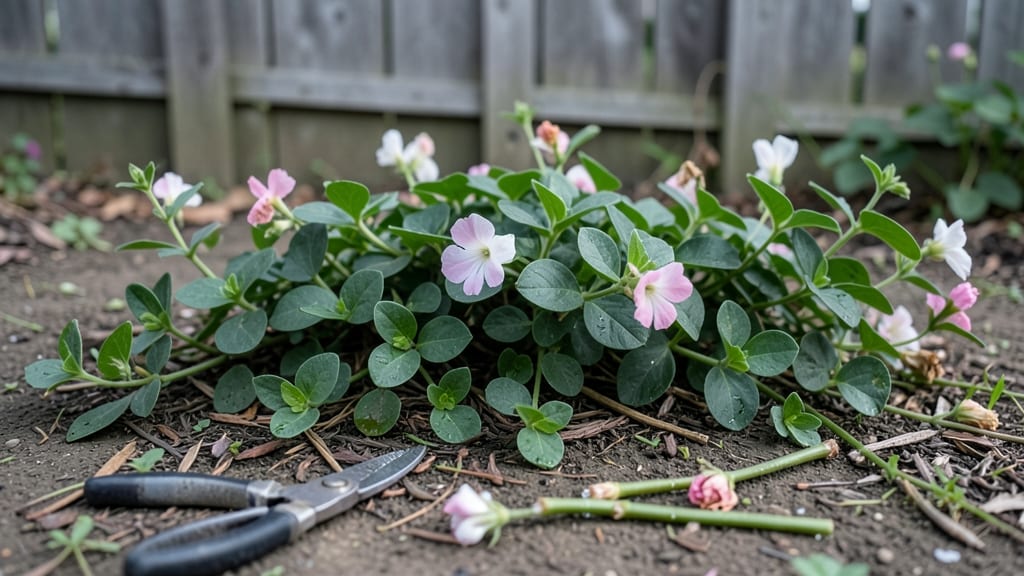
Pruning vinca plants keeps them blooming like clockwork all season long. 🌿 I’ve learned the hard way that skipping this step means leggy stems and sparse flowers by midsummer—but the right cuts transform those scraggly bushes into lush, flower-covered powerhouses.
The secret isn’t just cutting back; it’s understanding when and how to shape them for maximum regrowth.
You’ll need sharp bypass pruners (dull blades tear stems), a pair of gloves (vinca leaves can be prickly), and a clear day to work. Timing matters most: prune in early spring to encourage new growth, deadhead faded blooms all summer, and do a light cleanup in fall before dormancy.
Each cut should target just above a leaf node—this is where fresh shoots will burst out like magic.
Within weeks, you’ll see a bushier plant with vibrant green foliage and nonstop blooms. The flowers stay bright and abundant because you’re removing spent blooms before they go to seed, and the plant focuses energy on producing more.
Plus, proper pruning prevents those woody stems from taking over, keeping vinca looking fresh for years.
Works for both groundcover vinca and bush varieties, and the same principles apply whether you’re shaping a formal hedge or letting it spill over a container. Ready to give your vinca the haircut it’s been begging for?
📚 In This Guide
- What you need
- Instructions
- Tips and common mistakes
- Wrapping up and next steps
What you need
- ● Pruning shears or bypass pruners: Sharp, clean tools (preferably bypass type) to make precise cuts. Size: 5-7 inches for medium-sized branches.
- ● Hand pruners (for smaller stems): A pair for trimming finer growth or shaping. Size: 4-5 inches.
- ○ Gloves (optional but recommended): Heavy-duty gardening gloves to protect against thorns or rough stems.
- ● Disinfectant (rubbing alcohol or bleach solution): 1 part bleach to 9 parts water to sterilize tools before and after pruning.
- ● Trash bag or bucket: For collecting pruned debris (1-2 medium-sized bags or a 5-gallon bucket).
- ● Watering can or hose: To hydrate plants before and after pruning.
- ● Pruning saw: For thick, woody stems (rare in vinca but useful for older plants).
- ● Plant food or fertilizer: A balanced, slow-release fertilizer (10-10-10 ratio) to boost growth post-prune.
- ● Mulch: Organic mulch (like shredded bark) to retain moisture and protect roots.
- ● Plant markers or labels: If you’re propagating cuttings, label them to track growth!
How to prune vinca plants for maximum blooms
Here’s the simple routine I use to keep vincas lush, flowering, and healthy year after year.
✂️ Step 1: Time Your First Prune After Blooming
Wait until vinca flowers fade and new growth appears—usually 4-6 weeks after the last bloom. This is the signal your plant has finished its flowering cycle and is ready for a hard prune. I grab my sharp, clean pruning shears and cut back one-third of the plant’s height at once. Don’t worry—vinca is tough and rebounds fast.
Focus on removing leggy stems first. These are the long, bare branches that stretch upward without leaves. Cut them back to a leaf node or side branch. This forces energy into the bushier lower growth, which will produce more flowers next season. If you’re unsure where to cut, look for the spot where leaves cluster—this is your guide.
✂️ Step 2: Shape and Thin for Airflow
Next, step back and assess the plant’s shape. Vinca grows in a rounded form naturally, so aim to maintain that silhouette. Use your shears to trim any stems that cross the center or grow inward—this improves airflow and reduces disease risk. I like to make cuts just above a set of leaves or a bud, always at a 45-degree angle to help water run off.
Thin out crowded areas by removing 20-30% of the oldest stems at the base. These stems are often woody and don’t produce as many flowers. Cut them back to the ground if needed. This step might seem drastic, but it rejuvenates the plant and encourages fresh, vibrant growth from the center.
✂️ Step 3: Maintain Through the Season
After the initial prune, keep an eye on your vinca for new growth spurts. If you notice stems getting too long or woody again, give them a light trim to encourage branching. I do this every 6-8 weeks during the growing season. Just snip the tips of leggy stems—this prompts the plant to bush out.
Deadhead spent blooms regularly to redirect energy into new flowers. Pinch off faded flowers at the base with your fingers or shears. This simple habit keeps vinca blooming longer and prevents seed production, which can weaken the plant. If you’re growing vinca as a ground cover, a light trim with hedge shears every 8-10 weeks keeps it tidy and dense.
✂️ Step 4: Prepare for Winter Dormancy
In late fall, reduce pruning as temperatures drop. Vinca is evergreen in warm climates but may slow growth in cooler areas. Focus on removing only dead, diseased, or crossing branches. Avoid heavy pruning now—you want the plant to enter winter with as much foliage as possible to protect itself.
If you’re in a colder zone, give your vinca a light trim in early spring before new growth starts. Cut back any frost-damaged stems to just above healthy growth. This refreshes the plant without shocking it. Water deeply after pruning to help it recover and encourage strong spring regrowth.
✂️ Step 5: Sterilize Tools and Monitor
After every pruning session, wipe your shears with rubbing alcohol to prevent the spread of disease. I keep a small bottle of 70% isopropyl alcohol handy for this. Clean tools also make pruning faster and safer—no rust or dull blades to struggle with.
Watch for signs of stress like yellowing leaves or sparse blooms. If you notice these, your pruning might be too aggressive. Vinca is forgiving, but even it has limits. Adjust your approach next time—less is often more. With consistent care, your vinca will reward you with nonstop color and a full, bushy shape all season long.
Tips & tricks for perfect vinca pruning
These simple growth hacks will transform your vinca from sparse to spectacular with minimal effort.
Timing is Everything: The 4-6 week window after blooming is your golden opportunity for that hard prune. I learned this the hard way—pruning too early means you cut off potential flowers, while waiting too long can stress the plant. Mark your calendar when you see the first faded blooms, and you'll know it's time to act.
Tool Prep Matters: Sharp, clean pruning shears aren't just about ease—they're about plant health. Dull blades crush stems instead of cutting cleanly, which invites disease. I keep a small bottle of 70% isopropyl alcohol in my gardening toolkit to sterilize shears between cuts. This simple habit prevents spreading fungal infections from plant to plant.
Visual Cues for Pruning: When cutting back leggy stems in Step 1, look for the spot where leaves cluster most densely. This is your natural guide—cutting just above this point encourages new growth exactly where you want it. For the 45-degree angle cuts in Step 2, I hold my shears at a slight diagonal to help rainwater run off cleanly, preventing rot at the cut site.
Seasonal Adjustments: In colder climates, that early spring trim should be gentle—just enough to remove frost damage. I've seen vincas recover beautifully from light pruning after winter, but aggressive cuts can shock the plant when it's just waking up. Water deeply after pruning to help the plant bounce back faster.
Pro Tips for Pruning Vinca Plants
- These simple growth hacks will transform your vinca from sparse to spectacular with minimal effort.
- Timing is Everything: The 4-6 week window after blooming is your golden opportunity for that hard prune.
- Tool Prep Matters: Sharp, clean pruning shears aren't just about ease—they're about plant health.
Frequently asked questions
Got questions about keeping your vinca plants thriving after pruning? You’re not alone! Here are answers to the most common queries to help you master the art of pruning vinca for lush, long-lasting blooms.
When is the best time to prune vinca plants?
Prune vinca after flowering (late spring to early summer) to encourage new growth and blooms. Light trims can also happen in early spring to shape the plant. Avoid heavy pruning in fall or winter—vinca is semi-evergreen and needs time to recover before cold sets in.
How much can I cut back vinca plants without harming them?
Vinca is tough! You can safely prune up to one-third of the plant’s height in a single session. For overgrown vinca, cut back stems to just above a leaf node (where new growth emerges). Avoid "topping" too aggressively—gradual trims yield better results.
Will pruning vinca encourage more flowers?
Pruning after blooming removes spent flowers and redirects energy to new growth. This often leads to bushier plants and more abundant blooms the following season. Deadheading (snipping individual flowers) also helps extend the flowering period.
What if my vinca looks leggy after pruning?
Leggy growth is normal post-prune! To fix it, fertilize lightly with a balanced, water-soluble fertilizer (10-10-10) and ensure it gets 6+ hours of sunlight daily. Prune again in 4–6 weeks to shape it up—new growth will fill in quickly.
Can I prune vinca in cold climates?
Yes, but wait until spring (after the last frost) to prune. Vinca is cold-hardy (USDA zones 7–11), but new growth is frost-sensitive. In colder areas, prune lightly in early spring to avoid stressing the plant before warm weather arrives.
What’s the difference between pruning and shearing vinca?
Pruning involves selective cutting of individual stems or branches to shape or rejuvenate, while shearing means trimming all stems evenly with shears. Shearing can make vinca look dense but may encourage weak, leggy growth. Prune strategically for healthier plants!
Wrapping up and next steps
Pruning your vinca plants doesn’t have to be intimidating—it’s all about timing, technique, and a little regular care to keep them thriving! 🌿 With the right tools and a few simple steps, you’ll enjoy lush, bushy growth and vibrant blooms year-round.
Whether you’re trimming back leggy stems, shaping for fullness, or removing spent flowers, every snip brings your vinca closer to its best.
Now that you’re armed with the know-how, grab those shears and get pruning! Start small—even a little maintenance makes a big difference. For extra confidence, watch a quick tutorial or join a gardening forum to share your progress. Happy gardening—your vinca will thank you with nonstop beauty! 🌸