
Diseases
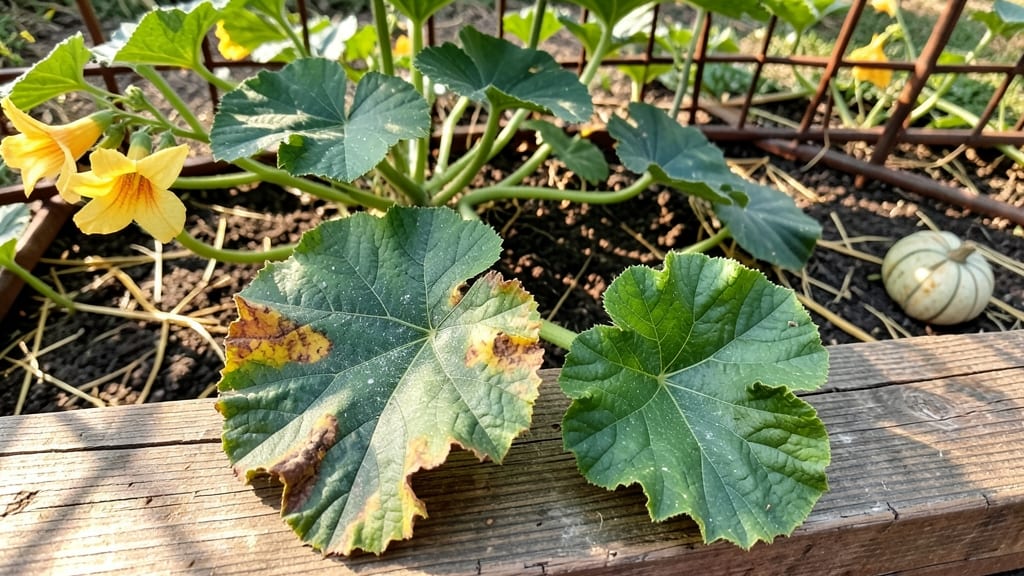
Pumpkin plant diseases can turn your lush vines into a sad, wilted mess—unless you catch them early. 🌱 I’ve lost entire patches of pumpkins to powdery mildew and bacterial wilt, but now I spot the warning signs before they spiral out of control.
The key is knowing what to look for: yellowing leaves, strange spots, or sudden wilting that isn’t from heat.
Most problems start with moisture—too much rain, poor airflow, or overwatering. Powdery mildew leaves white dust on leaves, while downy mildew creates yellow, greasy patches on the undersides. Bacterial wilt?
Your plants just collapse overnight, with no obvious signs until it’s too late. The good news? Organic fixes like neem oil, copper sprays, and proper spacing can turn things around.
With the right prevention—like rotating crops and removing infected leaves—your pumpkins stay strong all season. You’ll harvest vibrant, healthy fruits instead of struggling vines. Here’s how to keep your garden thriving, even when diseases strike.
This works for both backyard patches and small-space growers. Let’s get your pumpkins back on track!
Root Causes Behind Pumpkin Ailments
Pumpkin plants, like any other crop, aren’t immune to disease—but understanding why these issues arise is half the battle. From soggy soil to sneaky pathogens, several key factors weaken your vines and leave them vulnerable.
Let’s break down the science behind the most common triggers so you can protect your patch before problems take root.
Pumpkins thrive in warm, stable conditions, but when their environment shifts too drastically, their defenses crumble. Here’s how:
- Extreme Temperature Swings
- Why it happens: Pumpkins prefer daytime temps between 70–90°F (21–32°C) and nighttime temps above 50°F (10°C). Sudden drops below 40°F (4°C) or scorching heat above 95°F (35°C) stress the plant, weakening its cell walls and making it easier for pathogens to invade.
- Actionable insight: Use row covers for early-season frosts or provide afternoon shade in desert climates to prevent heat shock.
- Poor Air Circulation
- Why it happens: Crowded vines or dense foliage trap moisture, creating a humid microclimate where fungal spores (like Phytophthora or powdery mildew) flourish. Stagnant air also slows evaporation, keeping leaves damp longer.
- Actionable insight: Space plants 3–5 feet apart and prune lower leaves to improve airflow. Avoid overhead watering—stick to drip irrigation or soaker hoses.
- Waterlogged or Dry Soil
- Why it happens: Pumpkins hate "wet feet." Soil that stays soggy for more than 24 hours cuts off oxygen to roots, inviting Pythium or root rot. Conversely, drought-stressed plants produce thin, brittle vines that can’t fight off pests or diseases.
- Actionable insight: Test your soil’s drainage—amend clay soil with compost or perlite. Water deeply 1–2 times per week (adjust for rain) and avoid shallow puddles.
Diseases don’t just appear—they’re often waiting in the soil, on tools, or carried by wind and wildlife. Here’s how they exploit pumpkins:
- Fungal Spores in Soil
- Why it happens: Fungi like Fusarium or Alternaria survive in organic matter for years. When conditions are right (warm, wet soil), they germinate and infect roots or leaves through natural openings (like stomata or wounds).
- Actionable insight: Rotate crops annually (avoid planting cucurbits like squash or melons in the same spot for 3 years). Solarize soil in late summer by covering it with clear plastic for 4–6 weeks to kill pathogens.
- Bacterial Hitchhikers
- Why it happens: Bacteria such as Erwinia (which causes soft rot) spread via contaminated water, tools, or even your hands. They enter through cuts (from pruning or hail) or natural openings.
- Actionable insight: Sterilize pruners with 70% isopropyl alcohol between cuts. Remove infected plants immediately and compost them in a sealed bin (do not leave them in the garden).
- Viral Spread via Vectors
- Why it happens: Viruses like Cucumber Mosaic Virus don’t move on their own—they rely on aphids, beetles, or even contaminated seed. Once inside a plant, they hijack its DNA to replicate, causing stunted growth or mosaic patterns.
- Actionable insight: Inspect new plants for pests before transplanting. Use yellow sticky traps to monitor aphid activity and spray with neem oil as a deterrent.
A pumpkin plant that’s malnourished is like a person with a weak immune system—it can’t fight off invaders. Here’s what’s missing when diseases strike:
| Deficiency | Why It Weakens Plants | Signs to Watch For |
|---|---|---|
| Nitrogen (N) | Nitrogen fuels leaf growth and disease resistance. Low levels lead to pale, yellowing leaves, making plants more susceptible to fungal infections. | Older leaves turn yellow; stunted vine growth. |
| Potassium (K) | Potassium strengthens cell walls—critical for resisting blight and root rot. Deficiencies make plants "leaky," allowing pathogens to enter easily. | Brown scorch marks on leaf edges; weak stems. |
| Calcium (Ca) | Calcium prevents blossom end rot (common in pumpkins) and supports root health. Without it, roots become brittle and prone to rot. | Black, sunken spots on fruit; distorted new growth. |
Actionable insight: Conduct a soil test every 2–3 years and amend with:
- Compost or aged manure (for nitrogen),
- Wood ash or greensand (for potassium),
- Crushed eggshells or lime (for calcium).
Apply a balanced fertilizer (like 10-10-10) at planting, then side-dress with potassium-rich compost mid-season.
Pests don’t just eat pumpkin leaves—they create entry points for diseases. Here’s how:
- Squash Vine Borers
- Why it happens: These larvae burrow into stems, creating wounds that ooze sap—a perfect breeding ground for bacteria and fungi. Infested plants wilt suddenly and may collapse.
- Actionable insight: Wrap stems with cardboard collars (6 inches high) to block adult moths. Apply Bt (Bacillus thuringiensis) spray at dusk to target larvae.
- Aphids and Spider Mites
- Why it happens: These sap-suckers weaken plants and excrete
- Actionable insight: Blast plants with water to dislodge pests, or introduce ladybugs (natural predators). Spray with insecticidal soap for severe infestations.
💡 Pro Tip: The best defense is prevention. Start with healthy soil, resistant varieties (like ‘Howden’ or ‘Jack Be Little’), and sanitation**—remove all plant debris after harvest to starve overwintering pathogens.
Fixing Pumpkin Plant Problems Naturally
Now that you’ve identified the issue plaguing your pumpkin patch, it’s time to roll up your sleeves and restore those vines to their vibrant best! The good news? Most pumpkin plant diseases and pests respond well to organic, plant-safe solutions—no harsh chemicals required.
Below, we’ve matched each common problem with a step-by-step fix, plus prevention tips to keep your pumpkins thriving long-term.
Cause: Fungal spores love humidity and crowded leaves. Fix: 🔥 Step 1: Prune & Clean – Remove infected leaves (bag and compost them far from your garden) to stop the spread. Thin out vines for better airflow. 🍳 Step 2: Homemade Spray – Mix 1 tbsp baking soda + 1 tsp dish soap + 1 gallon water. Spray early morning (avoid direct sun to prevent leaf burn). 👨🍳 Step 3: Prevent Recurrence – Apply neem oil spray (1 tbsp neem oil + 1 tsp soap per gallon water) weekly. Pro tip: 💡 Water at the base, not the leaves, to keep foliage dry. ✨ Prevention: Plant pumpkins in full sun with 3–4 feet of spacing. Mulch with straw to reduce soil moisture.
Cause: Cool, wet weather + susceptible varieties (like ‘Howden’). Fix: 🔪 Step 1: Remove Infected Plants – Downy mildew spreads fast. Dig up and destroy (don’t compost) severely affected plants. 🥘 Step 2: Copper Fungicide – Use organic copper fungicide (like Bonide Copper Fungicide) every 7–10 days until symptoms fade. 🌡️ Step 3: Adjust Watering – Water deeply in the morning to let leaves dry quickly. Avoid overhead sprinklers. 🎯 Prevention: Plant resistant varieties (e.g., ‘Jackpot’ or ‘Waltham Butternut’) and rotate crops—don’t plant pumpkins in the same spot for 3+ years.
Cause: Erwinia tracheiphila spreads via squash vine borers or contaminated tools. Fix: ⏰ Step 1: Act Fast – If caught early, prune infected vines 6 inches below the wilted section. Sterilize pruners with 70% rubbing alcohol. 🔥 Step 2: Soil Treatment – Solarize soil (cover with clear plastic for 4–6 weeks in hot sun) or apply compost tea to boost beneficial microbes. 💡 Prevention: Rotate crops (avoid cucurbits like squash/zucchini for 2 years). Remove all plant debris after harvest.
Cause: Larvae chew through stems, killing plants overnight. Fix: 🥘 Step 1: Trap Adults – Hang pheromone traps (like Great Lakes IPM) near the patch to lure moths away. 🔪 Step 2: Dust Eggs – In early spring, dust kaolin clay (Surround WP) on stems to suffocate eggs. 👨🍳 Step 3: Manual Removal – Split open stems to scoop out larvae (wear gloves!). Fill holes with diatomaceous earth. ✨ Prevention: Plant trap crops (like bush beans) 10 feet from pumpkins. Mulch heavily to deter egg-laying moths.
Cause: Overwatered, compacted soil + fungal invasion. Fix: 💡 Step 1: Improve Drainage – Dig a 1-inch deep trench around the plant to redirect water.
Add coarse sand or perlite to soil. 🌡️ Step 2: Fungal Control – Mix 1 tbsp hydrogen peroxide (3%) per gallon water) and water the roots.
Repeat weekly. 🎯 Prevention: Test soil pH (aim for 6.0–6.8) and amend with compost. Avoid overwatering—pumpkins need 1–1.5 inches of water per week.
- 🔄 Rotate crops yearly to starve soil-borne pathogens.
- 🌞 Space plants 3–5 feet apart for airflow.
- 🌱 Use disease-resistant seeds (check seed packets for labels like “PM” for powdery mildew resistance).
- 🧼 Sterilize tools between plants with bleach water (1:10 ratio) or alcohol.
- 🍂 Clean up debris in fall—burn or bag infected plants off-site.
Remember: Patience is key! Some fixes (like neem oil or copper sprays) take 2–3 weeks to show results. Stay consistent, and your pumpkins will bounce back stronger than ever. 🎃✨
Frequently asked questions
What’s the first sign my pumpkin plants might have a disease?
Watch for yellowing leaves (especially older ones), strange spots (white powder for mildew, greasy patches for downy mildew), or sudden wilting that isn’t from heat. Check leaf undersides—many fungal diseases start there before spreading.
Can I still save pumpkins if the leaves have powdery mildew?
Yes! Prune infected leaves immediately and apply a baking soda spray (1 tbsp baking soda + 1 tsp soap per gallon water). For severe cases, use neem oil weekly. The fruit itself is usually safe to eat—just focus on protecting the vines.
Why do my pumpkin plants wilt suddenly, even with healthy-looking leaves?
This is often bacterial wilt or squash vine borers. Check stems for oozing sap or sawdust-like frass (borer droppings). Act fast—prune below the wilted section and sterilize tools. Prevention: Use cardboard collars around stems to block moths.
How do I know if my pumpkin disease is fungal vs. bacterial?
Fungal diseases (like mildew) show up as powdery coatings or spots and spread slowly. Bacterial issues (like wilt) cause sudden collapse with no obvious leaf damage. Fungi thrive in damp conditions; bacteria often spread through contaminated tools or pests.
Is it safe to compost pumpkin leaves with mildew?
No! Composting infected plant material can spread spores. Bag and dispose of severely diseased leaves in the trash (not green waste bins). For mild cases, compost only if you’ve sterilized it first (e.g., with high heat or solarization).