
Planting
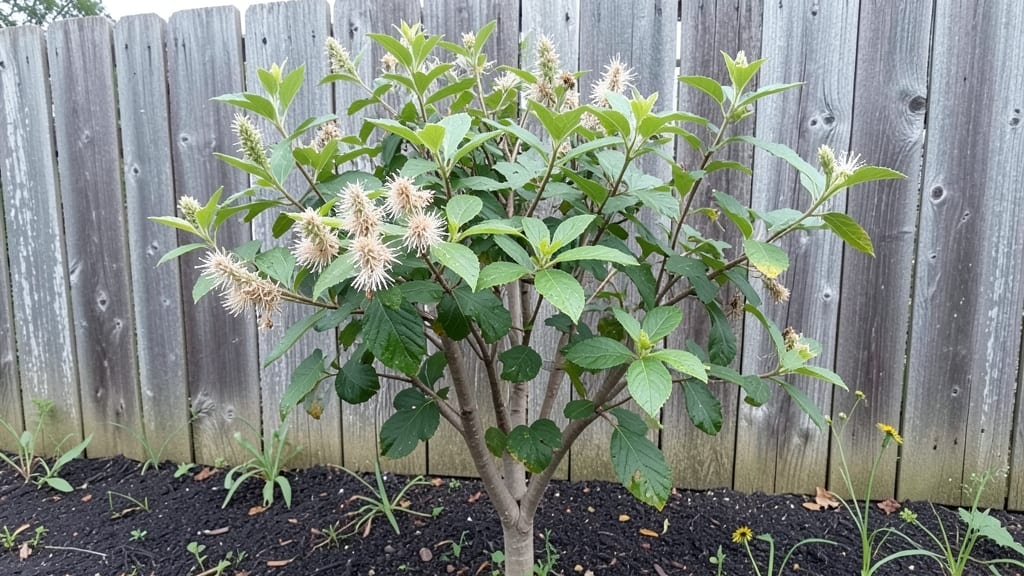
Growing a sharon bush plant 🌿 is like planting a privacy screen on fast-forward—it shoots up 3-5 feet per year while packing in glossy foliage and showstopping spring blooms.
Tired of slow-growing hedges that leave your property exposed? The Sharon bush delivers rapid, dense growth while offering vibrant blooms and year-round appeal—making it the ultimate privacy solution for any outdoor space.
You’ll love how it thrives in USDA Zone 6a and beyond, requiring minimal fuss once established. Whether you’re filling a fence line or creating a natural border, this shrub checks all the boxes for speed, beauty, and low-maintenance charm.
Here’s everything you need to know to plant, care for, and watch your Sharon bush transform your space in record time—no green thumb required.


Why Sharon bush plants are the fastest-growing privacy screen options
If you're tired of waiting years for a privacy hedge to mature, the Sharon bush plant (Forsythia ovata) is your game-changer. Unlike slow-growing options like boxwood or arborvitae, this shrub rockets up 3-5 feet per year while delivering year-round foliage and stunning spring blooms.
With USDA hardiness zones 5-9, it thrives in nearly every climate—making it the fastest, most reliable solution for instant privacy.
The secret to its rapid growth lies in its aggressive root system and adaptability. Sharon bushes establish quickly in well-draining soil and tolerate partial shade, though they flourish in full sun.
Unlike traditional hedges that require constant pruning, these shrubs grow densely on their own, creating a natural privacy barrier in just 2-3 years. Plus, their golden yellow spring flowers add seasonal color without sacrificing speed.
Here’s how the Sharon bush stacks up against other privacy screen plants in key categories:
The numbers speak for themselves: Sharon bushes outpace boxwood by 5x and arborvitae by 2x in annual growth. This means a 3-foot-tall hedge in just one growing season—no waiting decades like with slower options.
Their year-round evergreen foliage also means no seasonal gaps where your property feels exposed, unlike deciduous trees that drop leaves in winter.
Another standout feature is their drought tolerance once established. While young plants need consistent watering, mature Sharon bushes handle dry spells better than boxwood or privet, which often require regular moisture.
This makes them ideal for low-maintenance landscapes in USDA Zone 6 and beyond. Plus, their bright yellow flowers in spring attract pollinators, adding ecological value to your privacy screen.
For homeowners in urban areas or small yards, Sharon bushes are a dream because they don’t need heavy pruning. Unlike arborvitae, which can become top-heavy and require staking, these shrubs grow in a natural, rounded shape that fills out quickly.
You can even plant them in rows 6-10 feet apart for a solid privacy wall in under three years—far faster than traditional hedges.
One common misconception is that fast-growing plants sacrifice beauty for speed. With Sharon bushes, that’s not the case. Their glossy green leaves turn burning orange in fall, creating a seasonal color show that outshines many ornamental shrubs.
Even in winter, their dense branches provide year-round privacy, unlike bamboo or willow trees, which may lose leaves or become invasive.
If you’re comparing Sharon bushes to bamboo for privacy, consider this: bamboo can spread aggressively and may require rhizome barriers, while Sharon bushes stay contained and don’t reseed like some fast-growing trees. They’re also deer-resistant, a major plus in rural areas where herbivores might munch on slower-growing hedges.
For urban gardens or suburban backyards, their adaptability to city pollution and compacted soil makes them a top choice.
For maximum impact, pair Sharon bushes with complementary plants like hydrangeas or azaleas to create a layered privacy screen. Their early spring blooms also make them perfect for foundation plantings near homes or border plantings along property lines.
With minimal care and maximum speed, they’re the ultimate solution for anyone craving instant privacy without the wait.
Ready to transform your outdoor space
How to plant and care for Sharon bush for maximum growth and privacy
The Sharon bush plant (Forsythia ovata) thrives when planted correctly, offering 3-5 feet of growth per year—ideal for quick privacy. To maximize its potential, focus on timing, soil prep, and proper spacing.
Unlike slower hedges, this shrub delivers vibrant blooms and year-round structure, making it a standout choice. Let’s break down the essential steps to ensure your Sharon bush grows lush and full.
Before planting, choose a sunny location with well-draining soil—this shrub hates soggy roots. The ideal spacing of 6-10 feet apart ensures airflow and prevents disease while promoting rapid growth.
With the right care, your Sharon bush will become a dense, eye-catching privacy screen in just a few seasons. Let’s dive into the step-by-step process to get you started.
Step-by-Step Planting & Care Guide
-
Step 1: Choose the Right Time
Plant your Sharon bush in early spring (after the last frost) or fall (4-6 weeks before the first frost). This timing ensures roots establish before extreme temperatures.
-
Step 2: Prepare the Soil
Amend the soil with compost or aged manure to improve drainage. Sharon bushes prefer slightly acidic to neutral soil (pH 6.0-7.0). Avoid heavy clay without amending.
-
Step 3: Dig the Hole
Dig a hole twice as wide as the root ball but no deeper. This prevents root stress and encourages outward growth for a fuller shrub.
-
Step 4: Plant & Space Correctly
Place the shrub so the top of the root ball is level with the ground. Space plants 6-10 feet apart for optimal airflow and future privacy. Mulch with 2-3 inches of organic mulch to retain moisture.
-
Step 5: Water Deeply
Water thoroughly after planting to settle the soil. Provide 1 gallon of water per week during the first year, focusing on the root zone. Avoid wetting the foliage to prevent fungal issues.
-
Step 6: Prune for Shape & Health
Prune right after flowering (late spring) to shape the shrub. Remove dead or crossing branches and thin out the center for better airflow. Avoid heavy pruning in fall—it stimulates tender new growth.
-
Step 7: Fertilize & Monitor
Apply a balanced 10-10-10 fertilizer in early spring and again in mid-summer. Monitor for pests like spider mites or diseases like powdery mildew—treat early with neem oil if needed.
Seasonal care is key to keeping your Sharon bush healthy and dense. In spring, focus on fertilizing and light pruning to encourage new growth. During summer, water deeply every 5-7 days if rainfall is scarce, and watch for signs of stress like yellowing leaves.
In fall, reduce watering but continue mulching to protect roots from freezing temperatures.
With consistent care, your Sharon bush will reward you with vibrant yellow blooms in spring, lush green foliage in summer, and sturdy structure in winter.
This shrub’s fast growth rate and low-maintenance nature make it a top choice for privacy screens—no more waiting years for a hedge to fill in!
For even faster results, consider layering mulch and using drip irrigation to keep roots consistently moist. Within 3-5 years, you’ll have a privacy screen that’s both functional and beautiful—all while enjoying minimal upkeep.