
Diseases
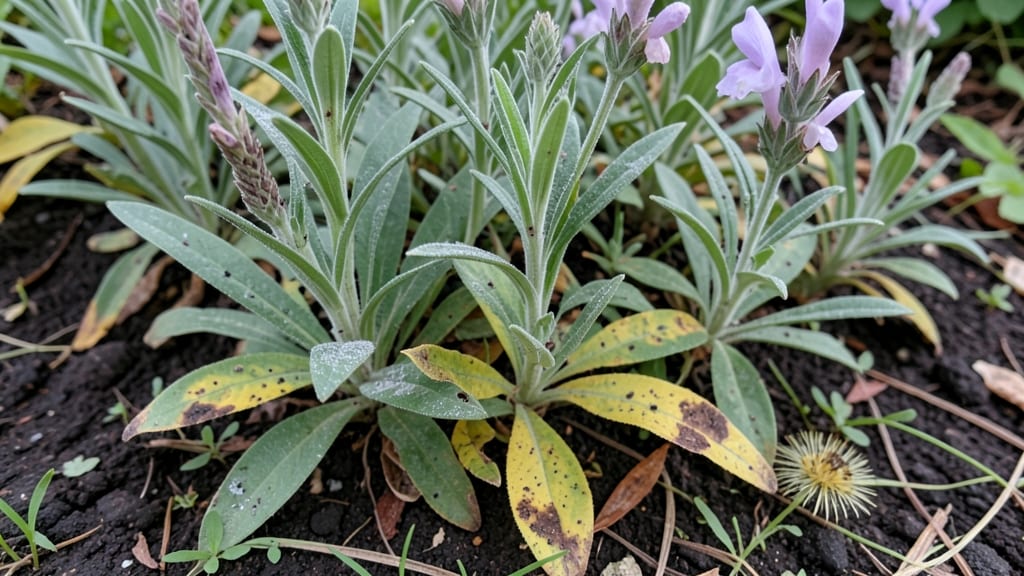
Snapdragon plant diseases can turn your vibrant garden into a sad, drooping mess faster than you think. I’ve lost entire beds to fungal spots and bacterial rot—until I learned the early warning signs and quick fixes that actually work.
The key is catching problems before they spread, because once those black spots or slimy stems take hold, you’re fighting a losing battle.
Most snapdragon diseases start with too much moisture or poor airflow—common mistakes even experienced gardeners make. Powdery mildew looks like dust on leaves, while bacterial leaf spot creates yellow halos around dark spots.
My snapdragons stayed healthy after I swapped overhead watering for drip irrigation and thinned crowded plants to let air circulate. The difference was night and day.
You’ll learn to treat fungal issues with neem oil or copper fungicide, and bacterial infections with a baking soda spray (yes, it works). The best part? Prevention is easier than you’d expect—just adjust your watering, remove infected leaves immediately, and avoid planting in soggy soil.
Within weeks, your snapdragons will bounce back, taller and more colorful than ever.
Works for both garden beds and containers, and the same principles apply whether you’re growing snapdragons for their scent or their showy blooms. Let’s get your plants back to their best—before the next downpour hits.
Root Causes of Snapdragon Ailments
Snapdragon plants (Antirrhinum majus) are stunning additions to any garden, but they’re not immune to diseases—especially fungal and bacterial infections. Understanding why these issues arise is the first step to prevention and treatment.
Below, we break down the key culprits behind snapdragon diseases, from environmental factors to cultural mistakes, so you can protect your plants before problems start.
Fungal diseases like powdery mildew and downy mildew thrive in stagnant, humid conditions—conditions that snapdragons often face when planted too closely together. Here’s why:
- Blocked airflow traps moisture on leaves, creating a damp, warm microclimate that fungi love.
Powdery mildew, for example, spreads via airborne spores that germinate best in 75–85°F (24–29°C) with high humidity. - Overcrowded stems also make it harder for water to evaporate quickly after rain or irrigation, prolonging leaf wetness—a prime trigger for Alternaria leaf spot and Botrytis blight. - Shady or dense plantings worsen the issue by reducing sunlight, which naturally dries foliage faster.
Actionable fix: Space snapdragons 12–18 inches apart and avoid thick mulch around stems. Prune to improve airflow, and water early in the day so leaves dry by evening.
Bacterial and fungal pathogens exploit soggy soil and wet foliage like a buffet. Snapdragons are particularly vulnerable to: - Root rot (Phytophthora, Pythium): Waterlogged soil cuts off oxygen to roots, weakening the plant and inviting these soilborne pathogens.
Symptoms include yellowing leaves, stunted growth, and mushy stems. - Bacterial leaf spot (Xanthomonas campestris): Splashed water carries bacteria onto leaves, causing dark, water-soaked lesions that spread rapidly in humid weather. - Damping-off (Rhizoctonia solani): A fungal nemesis for seedlings, thriving in overly moist seedling trays or cold, wet soil.
Actionable fix:
- Use well-draining soil (amend with perlite or sand if needed).
- Water at the base, not overhead, and avoid letting pots sit in saucers of standing water.
- For seedlings, use sterilized soil and space them to prevent condensation buildup.
Snapdragons prefer cool to moderate climates (60–75°F / 15–24°C), but swings outside this range—especially high humidity + warm nights—create the perfect storm for disease. Here’s how:
| Condition | Disease Risk | Why It Happens |
|---|---|---|
| Hot, humid nights | Powdery mildew, downy mildew | Spores germinate faster in 80°F+ (27°C+) with >70% humidity. |
| Cold, wet springs | Botrytis blight, damping-off | Cool temps slow plant growth, making them stress-pressured and susceptible. |
| Sudden temperature drops | Bacterial soft rot (Erwinia) | Stress from cold snaps weakens cell walls, letting bacteria invade wounds easily. |
Actionable fix:
- Mulch (2–3 inches of straw or wood chips) to stabilize soil temps.
- Avoid evening watering in hot climates to reduce nighttime humidity.
- Choose disease-resistant varieties (e.g., ‘Madame Butterfly’ snapdragons tolerate humidity better).
Fungal and bacterial pathogens often hitchhike on gardening tools, infected plant debris, or reused soil.
Common sources: - Infected clippings or pruners spreading Alternaria or Botrytis. - Reused potting mix harboring Pythium or Phytophthora from previous crops. - Weeds or volunteer snapdragons acting as reservoirs for diseases like Fusarium wilt.
Actionable fix:
- Sterilize tools with 70% rubbing alcohol or a 10% bleach solution between uses.
- Rotate crops—don’t plant snapdragons in the same spot yearly.
- Test soil for pathogens if diseases recur (local extension offices offer cheap tests).
Stressed snapdragons are easy targets for diseases because their immune systems are compromised.
Common stressors: - Nutrient deficiencies (e.g., magnesium or nitrogen shortages) weaken cell walls, making them vulnerable to bacterial infections. - Transplant shock disrupts root systems, inviting root rot or Fusarium wilt. - Pests (like aphids or spider mites) damage leaves, creating entry points for pathogens.
Actionable fix:
- Fertilize regularly with a balanced 10-10-10 formula (avoid overdoing nitrogen).
- Hardening off seedlings gradually before transplanting.
- Monitor for pests and treat early with neem oil or insecticidal soap.
Leaving infected plant debris in the garden is like leaving a welcome mat for diseases.
For example: - Dead leaves with powdery mildew can overwinter and reinfect next season’s snapdragons. - Mulch from diseased plants may harbor Botrytis spores that survive until spring. - Contaminated compost can spread Pythium or Phytophthora to healthy plants.
Actionable fix:
- Remove and destroy infected foliage (don’t compost it—bag and trash it).
- Clean up garden beds thoroughly in fall, including pulling weeds that may host diseases.
- Solarize soil in late summer (cover with clear plastic for 4–6 weeks) to kill pathogens.
Fixing Snapdragon Plant Troubles
When your snapdragons start showing signs of distress—whether it’s yellowing leaves, blackened stems, or wilting blooms—acting quickly can save your plants. Below are practical, step-by-step solutions tailored to the most common diseases, along with prevention tips to keep your snapdragons thriving. Let’s get those plants back to their vibrant best!
🔥 Powdery Mildew: The Fluffy White Threat
Fix:
- Prune and Remove 🔪 – Cut off severely infected leaves and stems immediately. Dispose of them in the trash (not compost) to prevent spread.
- Spray with Fungicide 💦 – Use a sulfur-based or neem oil spray (1–2% solution).
Apply in the early morning or evening to avoid burning leaves in direct sunlight. 3. Improve Airflow 🌬️ – Space plants 12–18 inches apart and avoid overcrowding. If growing in containers, ensure pots have drainage holes.
- Water at the Base 💧 – Wet foliage encourages mildew. Water only at the soil level and avoid overhead sprinkling.
Prevent It:
- Rotate crops—don’t plant snapdragons in the same spot yearly.
- Choose resistant varieties like ‘Matrix’ or ‘Tango’ series.
- Apply preventive sprays every 7–10 days during humid seasons.
🌡️ Black Spot: Dark Spots with Yellow Halos
Fix:
- Remove Infected Leaves 🍃 – Snip off spots immediately and sterilize pruners with rubbing alcohol.
- Apply Copper Fungicide 🛡️ – Use a copper-based spray (like Bordeaux mixture) every 7–10 days for 3–4 weeks.
- Water in the Morning ⏰ – Wet leaves stay damp longer, worsening the disease. Water early so foliage dries by afternoon.
- Mulch Properly 🌿 – Use 2–3 inches of organic mulch (like straw) to keep soil moist but prevent splashing water onto leaves.
Prevent It:
- Space plants for airflow—black spot thrives in humid, stagnant conditions.
- Avoid overhead irrigation—use drip lines or soaker hoses.
- Clean up debris—remove fallen leaves regularly.
💀 Root and Stem Rot: The Silent Killer
Fix:
- Stop Watering Immediately 🚰 – Let the soil dry out completely before watering again.
- Repot or Refresh Soil 🏺 – If roots are mushy and black, repot in fresh, sterile potting mix with perlite or sand for drainage.
- Apply Fungicide to Soil 🌱 – Use a systemic fungicide (like Mycorrhizal fungi or fungicide granules) to treat the root zone.
- Adjust Watering Habits 💧 – Water only when the top 1–2 inches of soil are dry. Use pots with drainage holes.
Prevent It:
- Use well-draining soil—mix in compost + perlite (50/50 ratio).
- Avoid soggy soil—never let plants sit in saucers of water.
- Rotate crops—don’t replant snapdragons in the same soil without a break.
🤢 Bacterial Leaf Spot: Water-Soaked Spots
Fix:
- Remove Infected Foliage 🗑️ – Cut off spots down to healthy tissue and dispose of them.
- Apply Copper Spray 🛡️ – Use a copper fungicide (like Copper Soap) every 5–7 days until symptoms disappear.
- Sterilize Tools 🧼 – Clean pruners with bleach or rubbing alcohol between cuts.
- Avoid Overhead Watering 💦 – Switch to drip irrigation or water at the base.
Prevent It:
- Rotate planting locations—bacteria linger in soil.
- Use resistant varieties like ‘Alpine’ snapdragons.
- Keep the garden clean—remove weeds and debris.
🌿 Bacterial Wilts: Sudden Drooping
Fix:
- Dig Up and Destroy ⚰️ – Do not compost—burn or trash infected plants to prevent spread.
- Solarize the Soil ☀️ – Cover the bed with clear plastic for 4–6 weeks in hot sun to kill bacteria.
- Plant Resistant Varieties 🌱 – Choose ‘Matrix’ or ‘Tango’ series, which tolerate bacterial wilt better.
- Improve Drainage 🚿 – Amend soil with sand or compost to prevent waterlogging.
Prevent It:
- Test soil pH—bacterial wilts thrive in acidic soil (pH <6.0). Aim for 6.0–7.0.
- Avoid overhead watering—bacteria spread via splashing water.
- Disinfect tools after each use.
- 💡 Pro Tip: Rotate crops—don’t plant snapdragons in the same spot for 3+ years.
- ✨ Boost Immunity: Fertilize lightly with a balanced 10-10-10 formula to strengthen plants.
- 🌡️ Monitor Humidity: Use a dehumidifier in greenhouses or space fans in gardens.
- 🎯 Early Detection: Inspect plants weekly—catch diseases before they spread!
By following these targeted fixes and preventive steps, your snapdragons will bounce back stronger—and stay disease-free for seasons to come! 🌸💪
Frequently asked questions about snapdragon plant diseases
What are the most common signs my snapdragons might be sick?
Watch for white powdery coatings (powdery mildew), dark spots with yellow rings (black spot), or water-soaked lesions (bacterial leaf spot). Also check for yellowing leaves, mushy stems (root rot), or sudden wilting (bacterial wilt). These symptoms often appear after heavy rain or poor airflow.
Can I save my snapdragons if they already have fungal diseases like powdery mildew?
Yes! Start by pruning infected leaves immediately and spraying with neem oil or sulfur fungicide every 7 days for 3 weeks. Improve airflow by spacing plants 12–18 inches apart and watering at the base instead of overhead. Most plants recover fully with consistent care.
Why do my snapdragons keep getting bacterial infections even after treatment?
Bacterial diseases often return if soil isn’t sterilized or tools aren’t cleaned between uses. Always sterilize pruners with rubbing alcohol, rotate crops (don’t replant in the same spot for 3+ years), and avoid overhead watering—bacteria spread via splashed water. Test soil pH too; bacterial wilt thrives in acidic soil (pH <6.0).
Are there any organic treatments for snapdragon diseases?
For fungal issues, use neem oil spray (1–2% solution) or baking soda mix (1 tsp baking soda + 1 quart water + a drop of soap). For bacterial problems, try copper fungicide or a hydrogen peroxide spray (1 tbsp per quart of water). Always apply in early morning for best results.
How can I prevent diseases in snapdragons before they start?
Focus on proper spacing (12–18 inches apart), well-draining soil (mix in perlite), and watering at the base early in the day. Mulch lightly (2–3 inches) to stabilize soil moisture, and sterilize tools between plants. Choose disease-resistant varieties like ‘Matrix’ or ‘Tango’ series for extra protection.