
Blooming
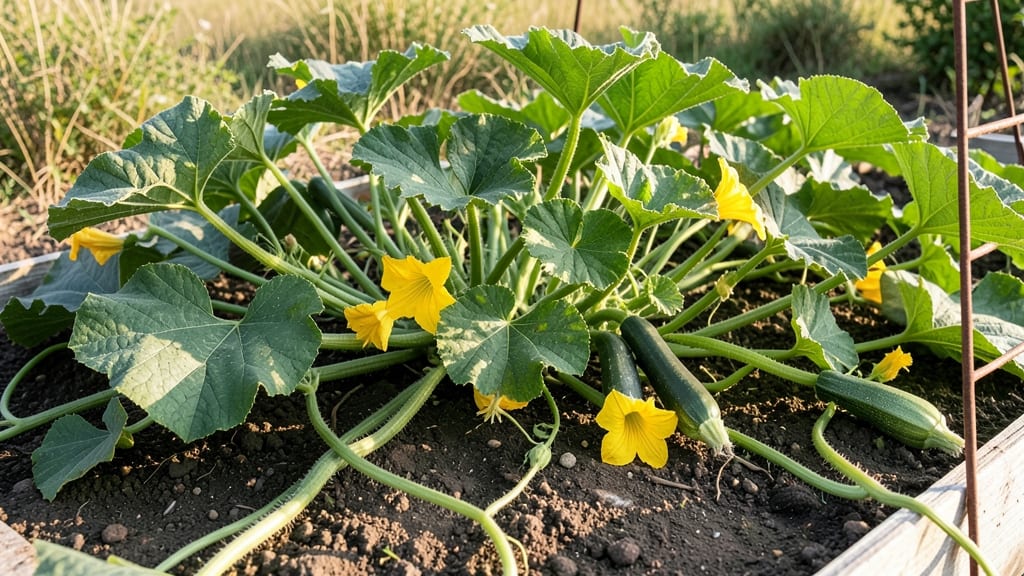
Growing squash blossom plants means your garden becomes a buzzing hub for bees and butterflies while giving you edible flowers to enjoy. 🌻 I learned the hard way that these delicate blooms need just the right balance of sun, water, and soil to thrive—and the payoff is worth it.
The secret to lush squash blossoms starts with well-draining soil rich in compost and a spot that gets at least 6-8 hours of sunlight daily. Most gardeners overwater, which causes blossoms to drop before they open.
Instead, keep the soil consistently moist but never soggy, and mulch to retain moisture. Choose bush varieties like 'Eight Ball' or vining types like 'Straightneck' for continuous blooms all season.
Once established, your squash plants will reward you with bright yellow or orange blossoms that are delicious fried or stuffed. The more you pick them, the more the plant produces. Just watch for squash vine borers—cover young plants with row fabric until they're a few inches tall to prevent damage.
With proper care, you'll have a steady harvest of both fruit and flowers.
This method works for both backyard gardens and container growing on patios. The key is consistency—sun, water, and regular harvesting keep the blooms coming. Let's get those bees pollinating and your kitchen table stocked with fresh blossoms!
📚 In This Guide
- What you need
- Instructions
- Tips and common mistakes
- Wrapping up and next steps
What you need
- ● Squash Seeds or Seedlings: Choose from varieties like butternut, zucchini, or acorn squash (1–2 plants per family or 3–4 for abundant blooms). Opt for heirloom or pollinator-friendly seeds for extra benefits!
- ● Well-Draining Potting Mix or Garden Soil: 2–3 cubic feet per plant (amend with compost for nutrient-rich soil).
- ● Sunny Location: 6–8 hours of direct sunlight daily (full sun is a must!).
- ● Watering Can or Hose: With a gentle spray nozzle for hydration without damaging delicate blooms.
- ● Fertilizer: Balanced organic fertilizer (10-10-10) or compost tea (apply at planting and mid-season).
- ○ Support (Optional but Helpful): Trellis or stakes for vining varieties (e.g., butternut squash).
- ● Cage or tomato support for bush types (e.g., zucchini).
- ● Hand Trowel or Transplant Spade: For digging and planting.
- ● Pruning Shears: To trim excess foliage and encourage blooming.
- ● Gloves: Lightweight gardening gloves to protect hands from prickly stems.
- ● Mulch (Straw or Shredded Leaves): 2–3 inches thick to retain moisture and suppress weeds.
- ● Bee House or Pollinator Hotel: Attract more bees to boost fruit set!
- ● Decorative Edging: Stones or mulch rings to define planting areas.
- ● Garden Journal: Track blooming, pollination, and harvest dates.
- ● Recipes for Squash Blossoms: Ready to turn your blooms into tempura, fritters, or pasta?
How to grow a thriving squash blossom plant
Here's how to coax those stunning, edible blooms from your squash patch.
🌱 Step 1: Select the Right Variety and Plant at the Correct Time
Choose a bush or vining squash variety suited to your climate—zucchini, pattypan, or acorn squash all produce gorgeous blossoms. Plant seeds or transplants after your last frost when soil reaches 60-65°F. I like to wait until nighttime temperatures stay above 55°F to prevent chilling stress on young plants.
Sow seeds 1 inch deep, spacing them 2-3 feet apart for vining types or 18-24 inches apart for bush varieties. You'll see the first true leaves emerge in 5-7 days under ideal conditions. Thin seedlings to the strongest one per spot—crowding leads to weak stems and fewer blossoms.
☀️ Step 2: Provide Full Sun and Consistent Watering
Squash blossoms need 6-8 hours of direct sunlight daily to thrive. Position plants where they'll receive morning sun and afternoon shade in hot climates. I've found that a south-facing spot with afternoon shade produces the most abundant blooms without scorching the leaves.
Water at the base of the plant 1-2 inches per week, keeping the soil consistently moist but not soggy. Let the top 1 inch of soil dry out between waterings—this prevents blossom end rot and encourages stronger stems. Mulch with 2-3 inches of straw or shredded leaves to retain moisture and suppress weeds.
🌿 Step 3: Fertilize for Blooms and Monitor for Pests
Feed plants with a balanced 10-10-10 fertilizer when they start flowering, following package instructions. I like to switch to a 5-10-10 formula once fruits form to encourage more blossoms. Avoid high-nitrogen fertilizers—they promote leafy growth at the expense of flowers.
Watch for squash vine borers and cucumber beetles, which can devastate plants. Remove any wilting or yellowing leaves promptly and handpick pests early in the day. A light spray of neem oil can deter beetles without harming pollinators like bees, which are essential for fruit production.
✂️ Step 4: Prune and Support for Maximum Blooms
Pinch off the first few flowers that appear to encourage stronger growth. Once the plant is established, let it go—each blossom has the potential to become a fruit, and removing them can actually reduce overall yield. If your plant is vining, train it along a trellis or fence to save space and improve air circulation.
Remove any suckers (side shoots) that form in the leaf axils of vining varieties. These compete with the main plant for energy, reducing the number of blossoms. You'll notice healthier growth and more flowers when you focus on maintaining just the primary vines.
💧 Step 5: Hand-Pollinate If Needed and Harvest Blossoms
If your area has few pollinators, hand-pollinate blossoms by transferring pollen from male to female flowers using a small brush or cotton swab. Female flowers have tiny squash at their base, while male flowers have long stems. Do this in the morning when flowers are fresh and pollen is abundant.
Harvest blossoms in the morning when they're fully open but still tender. Use sharp scissors to cut stems, leaving 1 inch of stem attached to the flower. You'll see new blossoms forming within 2-3 days—this is your signal that the plant is thriving. Use blossoms immediately or store them in the fridge for up to 2 days.
Tips & tricks for thriving squash blossom plants
Here's what I've learned after growing these delicate beauties for years—small details make all the difference.
Soil Temperature Matters: Don't rush planting when soil hits 60-65°F—wait until nighttime temperatures stay above 55°F consistently. I've seen seedlings struggle when nighttime dips below this threshold, even if daytime temps are perfect. The roots need warmth to establish properly, and chilling stress can delay flowering by weeks. Test soil temperature with a thermometer if you're unsure.
The Lighting Secret: The 6-8 hours of direct sunlight is non-negotiable, but placement matters more than you'd think. I've found that morning sun with afternoon shade in hot climates produces the most abundant blooms. If your garden gets intense afternoon sun, consider using shade cloth (30-50% coverage) during peak hours. This prevents leaf scorch while still giving plants enough light to thrive.
Watering Wisdom: That 1-2 inches per week guideline works, but timing is everything. Water deeply in the morning so leaves have time to dry before nightfall—this prevents fungal diseases that can stress plants and reduce blossom production. I also recommend watering at the base rather than overhead to keep foliage dry. The top inch of soil drying between waterings helps prevent blossom end rot while encouraging stronger stems.
Fertilizer Timing: Switching to the 5-10-10 formula once fruits form is crucial—it's when plants need that phosphorus boost for flower and fruit development. I've seen gardeners over-fertilize with nitrogen early on, which results in lush leaves but very few blossoms. Apply fertilizer when you see the first flowers appearing, not when seedlings first emerge.
Pro Tips for Squash Blossom Plant
- Here's what I've learned after growing these delicate beauties for years—small details make all the difference.
- Soil Temperature Matters: Don't rush planting when soil hits 60-65°F—wait until nighttime temperatures stay above 55°F consistently.
- The Lighting Secret: The 6-8 hours of direct sunlight is non-negotiable, but placement matters more than you'd think.
Frequently asked questions
Got questions about growing and enjoying squash blossom plants?
Here are answers to the most common ones—from pollination tips to harvesting hacks!
How do I encourage more squash blossoms to form?
Squash blossoms thrive with consistent care. Ensure your plant gets 6–8 hours of sunlight daily, well-draining soil, and regular watering (keep soil moist but not soggy). Prune leggy vines to redirect energy to flowering. Male blossoms appear first—let them open fully before harvesting to boost female flower production.
Why aren’t my squash blossoms being pollinated?
Poor pollination is often due to lack of bees or extreme weather. Hand-pollinate by transferring pollen with a paintbrush or cotton swab from male (long stems) to female (tiny squash at base) flowers. Plant bee-friendly flowers nearby (like marigolds or basil) to attract pollinators naturally!
How long does it take for squash blossoms to bloom?
Timing varies by variety, but most squash blossoms appear 4–6 weeks after transplanting (or 6–8 weeks from seed). Zucchini and summer squash bloom fastest, while winter squash (like butternut) take longer. Patience pays off—healthy plants reward you with edible blooms in weeks!
Can I eat squash blossoms if I don’t have bees?
Male blossoms
(no squash at base) are the best for eating—they’re tender and flavorful. Harvest them in the morning when fully open but before they wilt. Female blossoms (with tiny fruit) can also be eaten, but save them for pollination first. Pro tip: Dip in batter and fry for a crispy treat!
What’s the best alternative if squash blossoms don’t thrive?
Try edible flowers like nasturtiums, violets, or chives—they’re pollinator-friendly and easy to grow. For squash lovers, opt for self-pollinating varieties (like some gourds) or focus on the fruit instead. Container gardening can also help if space is limited!
Still stumped? Drop your squash-growing woes below—we’re happy to help!
Wrapping up and next steps
Growing squash blossom plants is a rewarding way to attract pollinators, add beauty to your garden, and enjoy edible blooms! 🌸 Whether you're a seasoned gardener or just starting, these versatile plants bring both practical and aesthetic benefits.
Now that you’re equipped with the right knowledge, it’s time to roll up your sleeves and plant—your garden (and local bees!) will thank you.
Ready to take the next step? Start small with a few plants and experiment with varieties to see what thrives best in your climate. Happy gardening!