
Companion Plants
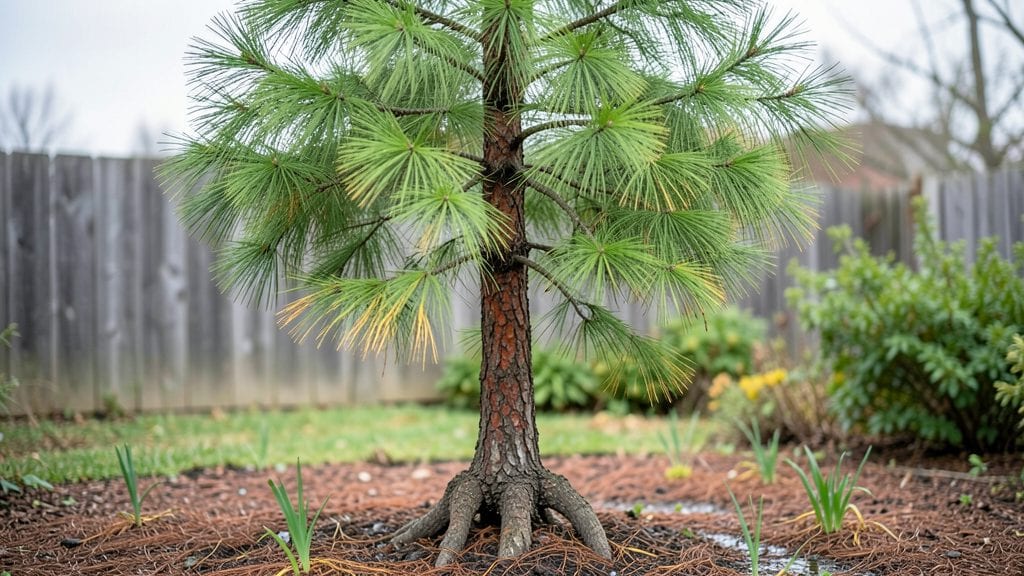
Growing standing cypress plants transforms bare fences into lush, evergreen privacy screens that never go out of style. ✨ I planted mine along a noisy street last spring, and by summer, they’d grown tall enough to block both traffic and prying eyes—without needing a single fence panel.
The key is treating them like the architectural plants they are: sturdy, drought-tolerant, and built to thrive with minimal fuss.
These plants love full sun but handle partial shade too, making them perfect for tight spaces or urban yards. They’re happiest in well-draining soil—sandy loam works best—and once established, they barely need watering.
I fertilize mine once a year with slow-release granules in early spring, and that’s it. Their grass-like foliage stays vibrant all winter, so you’ll never regret planting them.
By fall, your standing cypress will reach 4-6 feet tall, creating a dense, wind-resistant screen that’s easier to maintain than bamboo. No trimming required unless you want to shape them—just let them grow naturally for that effortless, tropical look.
They pair beautifully with drought-tolerant companions like lavender or ornamental grasses for extra texture.
Here’s the best part: they’re deer-resistant, which means no more fighting over your plants with wildlife. Whether you’re lining a driveway or softening a chain-link fence, these plants deliver year-round privacy with almost no upkeep. Ready to grow yours?
📚 In This Guide
- What you need
- Instructions
- Tips and common mistakes
- Wrapping up and next steps
What you need
- ● Standing cypress plants (Taxodium distichum) – 5–10 plants per 6-foot section (adjust based on desired height and density). Choose nursery-grown saplings (1–3 feet tall) for faster establishment.
- ● Well-draining soil mix – 50% native soil + 50% compost or peat moss (or a pre-mixed container blend for heavy clay soils).
- ● Container or in-ground planting area – If planting in containers, use large pots (15+ gallons) with drainage holes. For in-ground, ensure 6+ inches of loose soil for root spread.
- ● Organic fertilizer – Slow-release balanced 10-10-10 or fish emulsion (follow label rates).
- ○ Mulch (optional but recommended) – 2–3 inches of pine straw or shredded bark to retain moisture and suppress weeds.
- ● Garden trowel or spade – For digging planting holes (6–8 inches wide/deep per plant).
- ● Gloves – Heavy-duty work gloves to protect hands from soil and sharp roots.
- ● Watering can or hose with nozzle – Deep-watering capability (1–2 gallons per plant initially).
- ● Pruning shears – For shaping and trimming as needed (sterilize blades with rubbing alcohol).
- ○ Stakes & twine (optional) – If planting in windy areas, use 3-foot bamboo stakes to support young plants temporarily.
- ○ pH testing kit (optional) – Ideal soil pH for cypress: 5.0–6.5 (amend with sulfur or lime if needed).
- ● 💡 Sunlight: Full sun (6+ hours/day) for best growth—partial shade is tolerable but may reduce density.
- ● 🌡️ Climate: Standing cypress thrives in USDA Zones 5–10; protect from frost if in colder zones.
- ● ✨ Spacing: Plant 3–4 feet apart for a dense screen (closer for thicker privacy).
Step-by-Step instructions for creating a standing cypress privacy screen
Here’s how to craft a lush, evergreen vertical screen that blocks noise and prying eyes—naturally!
🪴 Step 1: Plan Your Layout for Maximum Impact
Standing cypress thrives in rows, so sketch a grid on paper first. For a 4-foot-tall screen, space plants 18-24 inches apart in rows that are 2-3 feet apart. This gives roots room to spread while maintaining a dense, unbroken wall. I always mark planting spots with stakes to avoid guesswork later.
Check your site’s light conditions—standing cypress loves full sun to partial shade. If your yard gets afternoon shade, that’s perfect; if it’s full sun all day, mulch heavily to retain moisture. This plant’s natural shape is upright and narrow, so no pruning is needed to maintain its privacy-screen form.
🌱 Step 2: Prepare the Soil for Fast Establishment
Dig a hole slightly wider than the root ball but no deeper—standing cypress roots are shallow and hate sitting too low. Amend the native soil with 2-3 inches of compost mixed into the bottom of the hole. This boosts drainage while retaining moisture, which is critical in the first year.
Water the hole deeply before planting to settle the soil. If your soil drains poorly (clay-heavy), add a 1-inch layer of coarse sand or perlite to the bottom. Standing cypress tolerates wet feet better than most, but soggy soil will stunt growth. You’ll know it’s happy when new growth appears within 4-6 weeks.
☀️ Step 3: Plant in Rows for a Natural Curtain Effect
Remove each plant from its container and tease the roots gently if they’re circling. Place it in the hole so the top of the root ball sits 1 inch above ground level—this prevents rot. Fill the hole with soil, pressing lightly around the edges to eliminate air pockets. Water immediately after planting to help roots settle.
For a seamless screen, stagger rows like bricks—not straight lines. This creates a more organic, wind-resistant barrier. Mulch with 2-3 inches of wood chips around each plant, keeping it 6 inches away from the stem to prevent rot. Water deeply once a week for the first month to encourage root growth.
💧 Step 4: Maintain for Year-Round Privacy
Standing cypress is low-maintenance, but consistency is key. Water 1-2 times per week in the first year, depending on rainfall—soil should stay moist but not soggy. After establishment, it’s drought-tolerant but looks best with regular moisture. You’ll notice new growth in spring and fall, with a lush, feathery texture that thickens over time.
Fertilize lightly in early spring with a balanced 10-10-10 formula to encourage dense foliage. Avoid heavy pruning; this plant’s natural shape is its best feature. If a branch dies back, simply trim it at the base—new growth will fill in within a season. With proper spacing, your screen will reach full height in 3-5 years.
✂️ Step 5: Troubleshoot for a Flawless Screen
If your screen looks sparse, check for overcrowding or poor soil. Standing cypress needs room to breathe—if plants are too close, they’ll compete for nutrients and look leggy. Thin out if needed, but this is rare with proper initial spacing.
Yellowing leaves usually mean overwatering or poor drainage. Adjust your watering schedule and ensure mulch isn’t smothering the base. Brown tips? That’s normal in dry heat—just increase water slightly. Within a year, your screen will be dense enough to block views and absorb sound, giving you a serene, green retreat.
Tips & tricks for perfect standing cypress privacy screens
Creating a stunning vertical screen with standing cypress is easier than you think—here are my top tips to ensure your privacy barrier thrives from day one!
Spacing is Everything: When planning your layout in Step 1, I can't stress enough how important those 18-24 inches between plants really are. This spacing gives roots room to establish without competing for nutrients. I've seen too many screens where plants were too close, leading to leggy growth and gaps. Use stakes to mark planting spots—it's worth the extra 10 minutes to avoid guesswork later.
Soil Prep Makes All the Difference: The 2-3 inches of compost in Step 2 isn't just fluff—it's the foundation for healthy roots. For clay-heavy soil, that 1-inch layer of sand or perlite can be a game-changer. I've learned the hard way that skipping this step leads to waterlogged roots and stunted growth. Pro tip: Mix in a handful of worm castings if you want to give your plants an extra boost!
Planting Depth Matters: Positioning the root ball just 1 inch above ground level in Step 3 might seem minor, but it prevents rot by ensuring proper drainage. I once planted a batch too deep, and within weeks, the stems started to rot at the base. Trust me, this small detail makes a huge difference in long-term health. Also, that 6-inch mulch clearance from the stem prevents rot while keeping weeds at bay.
Watering Wisdom: The 1-2 times per week guideline in Step 4 is perfect for most climates, but here's what I've learned: In hot summer months, you might need to water every other day, while winter might only require weekly watering. Always check soil moisture—it should be moist but not soggy. A simple finger test (stick your finger 2 inches into the soil) tells you everything you need to know.
Pro Tips for Standing Cypress Plants
- Creating a stunning vertical screen with standing cypress is easier than you think—here are my top tips to ensure your privacy barrier thrives from day one!
- Spacing is Everything: When planning your layout in Step 1, I can't stress enough how important those 18-24 inches between plants really are.
- Soil Prep Makes All the Difference: The 2-3 inches of compost in Step 2 isn't just fluff—it's the foundation for healthy roots.
Frequently asked questions
Got questions about growing standing cypress plants?
You’re not alone! Here are answers to the most common queries to help you get started with confidence.
How fast do standing cypress plants grow?
Standing cypress (Taxodium distichum) grows at a moderate pace—typically 1 to 2 feet per year under ideal conditions. With proper care (sunlight, water, and soil), you’ll see noticeable height growth within a few seasons. Patience pays off, though, as they mature into stunning vertical screens!
How often should I water standing cypress plants?
Newly planted cypress trees need deep watering 1-2 times per week for the first year to establish roots. Once mature, they’re drought-tolerant but prefer 1 inch of water weekly during dry spells. Pro tip: Mulch around the base to retain moisture and reduce evaporation.
Can standing cypress grow in containers?
While possible, they’re not ideal for containers due to their size (mature trees reach 30–40 feet tall). If you’re set on potted cypress, choose dwarf varieties like ‘Peve Minaret’ and use a large, well-draining pot with regular pruning to control growth.
Are standing cypress cold-hardy?
Yes! These trees thrive in USDA Zones 5–10, handling winters as low as -15°F. In colder climates, mulch heavily around the base to protect roots. Watch out: Young trees may need winter wraps in harsh zones.
How do I prune standing cypress for a tidy look?
Prune in late winter or early spring to shape the tree and remove dead branches. Use clean, sharp shears to trim just above a leaf node. Avoid over-pruning—these trees prefer a natural, airy form. Pro tip: Thin out crowded branches to improve airflow and reduce disease risk.
What pests or diseases should I watch for?
Common issues include bagworms, scale insects, and fungal diseases like root rot. Inspect leaves regularly for signs of pests (e.g., webbing, sticky residue). Treat infestations early with neem oil or insecticidal soap. Ensure proper drainage to prevent waterlogged roots.
Wrapping up and next steps
Standing cypress plants are a game-changer for creating lush, vertical privacy screens that thrive year-round! 🌿 Whether you're filling a small garden or transforming a large outdoor space, their adaptability and evergreen beauty make them an easy, low-maintenance choice.
With the right care and placement, you’ll enjoy a vibrant, natural barrier that adds both function and charm to your landscape.
Ready to get started? Pick your spot, gather your supplies, and plant with confidence! Your future privacy haven awaits—just one step at a time. 🌱✨