
Blooming
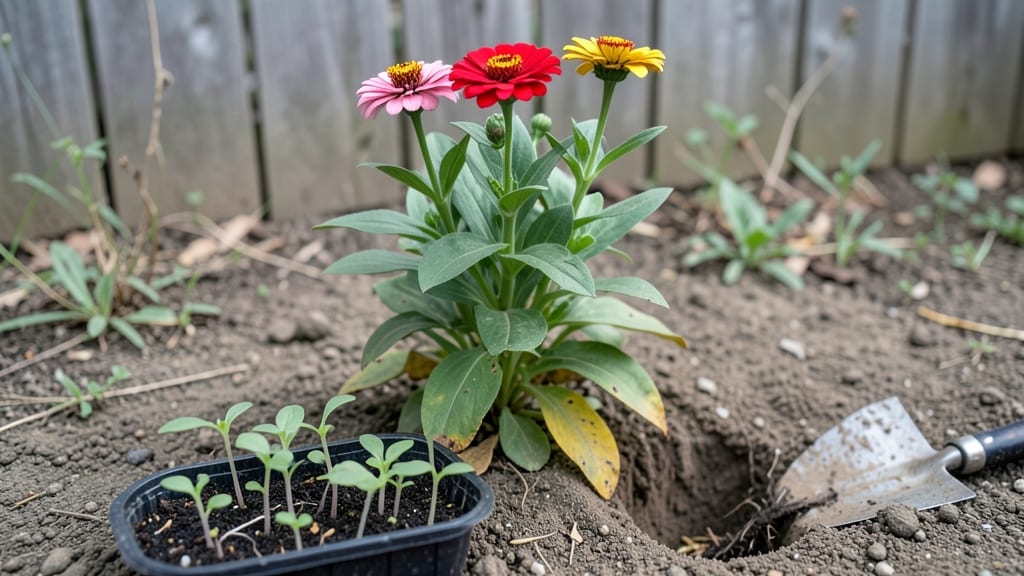
Succession planting zinnias guarantees blooms from May until frost—no gaps, no dead zones. 🌻 I learned this after watching my neighbors' zinnias fade mid-summer while mine kept producing.
The trick lies in timing: plant your first batch in early spring, then follow with new seeds every 3 to 4 weeks until late summer.
You’ll need fast-growing zinnia varieties like 'Benary’s Giant' or 'Profusion' for reliable results. Start with well-drained soil and full sun, then space seeds 6 to 12 inches apart. Deadhead spent blooms to encourage new flowers, and watch as each new planting takes over just as the last one winds down.
This method also confuses pests—they never know which plants are fresh. You’ll end up with a vibrant, continuous display that turns heads at every garden tour. The key is staying consistent with your planting schedule and keeping the soil moist but not soggy.
Works in containers too, making it perfect for small spaces or urban gardens. Once you master the rhythm, you’ll never buy zinnia plants again—just keep the blooms coming all season long.
📚 In This Guide
- What you need
- Instructions
- Tips and common mistakes
- Wrapping up and next steps
What you need
- ● Zinnia seeds: 2–3 seed packets (mix varieties for continuous blooms, e.g., Benary’s Giant, Profusion, or Zahara—each packet typically yields 500+ seeds).
- ● Garden soil: Well-draining, enriched with compost (aim for pH 6.0–7.0).
- ● Planting containers or garden beds: Direct sowing: 12–18" spacing between plants, rows 18–24" apart.
- ● Containers: 5–6" pots per plant (or 1 plant per 12" pot for multiple seeds).
- ● Watering can or hose: With a gentle spray nozzle (zinnias hate soggy roots!).
- ● Fertilizer: Balanced 10-10-10 or slow-release granular (follow package rates).
- ○ Garden twine/stakes (optional but helpful): For tall varieties like Benary’s Giant (6–8" stakes per plant).
- ● Seedling trays + heat mat (for early starts indoors, 4–6 weeks before last frost).
- ● Row covers (to protect seedlings from pests like aphids 🐜).
- ● Mulch (straw or shredded leaves to retain moisture and suppress weeds).
- ● Pruning shears (for deadheading spent blooms—extends flowering!).
- ● Garden journal (to track planting dates and varieties for next year!).
Step-by-Step instructions for succession planting zinnias
Here's how I keep zinnias blooming all season long with minimal effort.
🌱 Step 1: Prepare the Planting Area
Zinnias thrive in well-draining soil with plenty of sunlight. Choose a spot that gets 6-8 hours of direct sun daily. Before planting, loosen the top 6 inches of soil with a garden fork to improve root penetration. I mix in 2-3 inches of compost to enrich the soil naturally—this gives your zinnias a nutrient boost without overfeeding.
Remove any weeds or debris from the area to reduce competition. If your soil is heavy clay or very sandy, add 1-2 inches of organic matter like aged manure or leaf mold. Work it into the top layer, but don't dig deeper than necessary—zinnias have shallow roots and prefer loose soil near the surface.
🌱 Step 2: Plant Zinnia Seeds in Successive Staggered Rows
For continuous blooms, plant seeds in 3-4 staggered batches spaced 2-3 weeks apart. Start your first batch as soon as the soil warms to at least 55°F in spring. Press seeds ¼ inch deep into the soil, spacing them 6-12 inches apart in rows that are 12-18 inches apart.
I like to plant seeds in small clusters rather than straight rows—this creates a more natural, full look and makes thinning easier later. After planting, gently water the area until the soil is moist but not soggy. You'll see seedlings emerge in 5-14 days, depending on your climate.
💧 Step 3: Maintain Consistent Watering and Care
Keep the soil evenly moist but never waterlogged. Zinnias are drought-tolerant once established, but young plants need consistent moisture. Water at the base of the plants in the morning to reduce fungal risks. You'll know you're doing it right when the soil feels damp 1-2 inches down between waterings.
Once seedlings reach 2-3 inches tall, thin them to your desired spacing. Snip off excess plants at the base with scissors—this prevents disturbing the roots of the remaining seedlings. If you notice any yellowing leaves, it's often a sign of overwatering or poor drainage. Adjust your watering schedule accordingly.
✂️ Step 4: Deadhead and Encourage Continuous Blooms
Deadheading—removing spent blooms—is key to keeping zinnias flowering. Pinch off faded flowers with your fingers or use clean pruners. I do this every 2-3 days during peak bloom season. This redirects the plant's energy into producing new flowers instead of setting seed.
For extra-long blooms, cut back leggy stems by ⅓ their length in early summer. This encourages bushier growth and more flowers. Watch for powdery mildew in humid climates—if you spot white powder on leaves, space plants further apart and water in the morning to let foliage dry quickly.
⏰ Step 5: Plan Final Plantings for Late Summer
For a fall display, plant your last batch of zinnias 8-10 weeks before your first frost date. Choose heat-tolerant varieties like 'Benary's Giant' or 'Profusion' for extended blooms. After the first frost blackens foliage, pull up remaining plants and compost them—this prevents disease from overwintering in the soil.
Mark your planting dates on a calendar so you don't forget. I also keep a small notebook with notes on which varieties performed best each season. This helps me refine my succession planting schedule year after year for even more reliable blooms.
Tips & tricks for perfect succession planting zinnias
Here's what I've learned from years of growing zinnias that keeps them blooming all season—without the guesswork.
Soil Temperature Matters: That 55°F soil temperature in Step 2 is crucial—it's when seeds start germinating reliably. I always check soil temp with a thermometer before planting. If your spring is late, consider using a cold frame to warm the soil faster. Cold soil can delay germination for weeks, throwing off your succession schedule.
Planting Strategy: The 2-3 week spacing between batches in Step 2 is key for nonstop blooms. I mark planting dates on my garden calendar with colorful stickers so I don't forget. For a visual reminder, I plant a different zinnia variety each batch—this gives me both color variety and staggered blooming. Confession: I skipped this once and ended up with all flowers opening at the same time!
Deadheading Discipline: That 2-3 day deadheading schedule in Step 4 makes all the difference. I set a phone reminder for every other day during peak bloom season. For lazy gardeners, try the "pinch and toss" method—just pinch off spent blooms and toss them into a bucket for compost. The more you deadhead, the more flowers you'll get!
Frost Timing: The 8-10 week window before frost in Step 5 is your target for fall plantings. I calculate this by looking up my average first frost date and counting backward. For extra insurance, I plant a final batch 10 weeks out—even if it means cutting back some summer blooms. The payoff is worth it when you see those late-season flowers!
Pro Tips for Succession Planting Zinnias
- Here's what I've learned from years of growing zinnias that keeps them blooming all season—without the guesswork.
- Soil Temperature Matters: That 55°F soil temperature in Step 2 is crucial—it's when seeds start germinating reliably.
- Planting Strategy: The 2-3 week spacing between batches in Step 2 is key for nonstop blooms.
Frequently asked questions
What’s the best spacing for zinnias when succession planting?
Give zinnias 12–18 inches apart in rows or clusters. If you’re interplanting with shorter flowers (like marigolds or nasturtiums), space them 8–12 inches apart to avoid overcrowding. Taller varieties (like ‘Benary’s Giant’) need extra room—18–24 inches—to prevent flopping.
How often should I sow new zinnia seeds for continuous blooms?
For nonstop color, sow seeds every 2–3 weeks after the last frost until 6–8 weeks before your first fall frost. Staggered plantings ensure some zinnias are always in bloom. Pro tip: Mark planting dates on a calendar to stay on track!
Can I succession plant zinnias in hot climates without them wilting?
Zinnias thrive in heat but need consistent moisture (especially in dry climates). Water deeply 1–2 times per week and mulch to retain soil moisture. Bonus: Choose heat-tolerant varieties like ‘Profusion’ or ‘Crystal’ for extra resilience.
Why are my zinnias getting holes or wilting suddenly?
Pests like Japanese beetles, spider mites, or aphids love zinnias! Handpick beetles early in the day or spray with neem oil for organic control. Wilting can also signal overwatering or fungal issues—ensure good airflow and avoid wetting foliage.
What’s a good companion plant to pair with zinnias for succession planting?
Zinnias play well with basil, parsley, or marigolds (which repel pests) and nasturtiums (which deter aphids). Avoid planting near potatoes or beans, as zinnias may compete for nutrients. Fun combo: Try zinnias + cosmos for a low-maintenance, long-blooming duo!
Wrapping up and next steps
Succession planting zinnias is your ticket to a nonstop parade of color—from early spring to late fall! By staggering your plantings and following these simple steps, you’ll enjoy vibrant blooms even as the first frost nips at your heels. 🌸
Ready to transform your garden into a blooming wonderland? Start with your next planting session—whether it’s a new batch of seeds or a fresh round of care. Grab your gardening gloves, and let the magic of zinnias keep your space lively and full of life!