Size
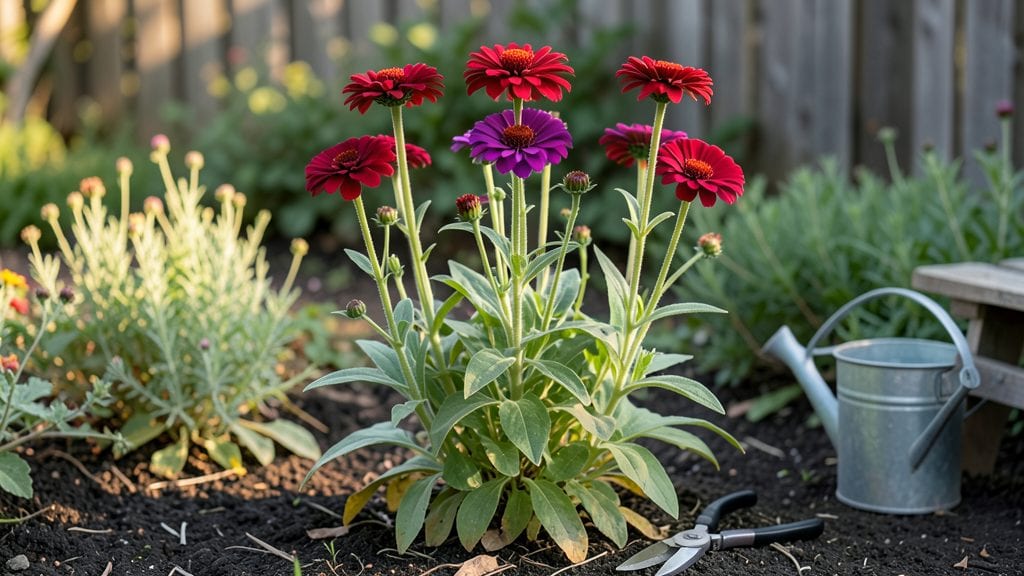
Growing these tall zinnia plants that reach for the sky without flopping over is easier than you think—✨ I’ve grown these towering beauties for years, and the secret lies in choosing the right varieties, giving them the perfect start, and a... little strategic care to keep them standing proud.
The best tall zinnias—like ‘Benary’s Giant’ or ‘State Fair’—can grow 6 to 7 feet tall with sturdy stems that need minimal support. Start with well-draining soil mixed with compost, and plant seeds directly in the ground after the last frost.
They thrive in full sun, so pick a spot where they’ll get at least 6 to 8 hours of sunlight daily.
Once they’re established, a light pinch of the top growth early on encourages bushier plants, and regular deadheading keeps them blooming all season. By mid-summer, you’ll have a dramatic display of velvety blooms that don’t need heavy staking—just a few gentle ties if needed.
Even in windy spots, these zinnias hold their own, making them perfect for borders, cut flower gardens, or as a stunning backdrop for shorter perennials. The key is consistency—water deeply but let the soil dry slightly between waterings to avoid weak stems.
📚 In This Guide
- What you need
- Instructions
- Tips and common mistakes
- Wrapping up and next steps
What you need
- ● Tall Zinnia Seeds: Choose varieties like Benary’s Giant or State Fair (60–90 days to maturity). Aim for 3–5 seeds per plant (thin seedlings to the strongest one).
- ● Well-Draining Soil: A mix of 60% garden soil, 30% compost, and 10% perlite or sand (pH 6.0–7.0).
- ● Sunlight: 6–8+ hours of full sun daily (zinnia powerhouses!).
- ● Water: 1–1.5 inches per week (water at the base to avoid fungal issues).
- ● Fertilizer: Balanced 10-10-10 granular fertilizer (apply lightly at planting and mid-growth).
- ● Gardening Gloves (to protect hands from thorns).
- ● Trowel or Hand Fork (for planting seeds ¼–½ inch deep).
- ● Watering Can or Hose with Adjustable Nozzle (gentle watering prevents seed displacement).
- ○ Stakes or Cage (Optional but Helpful): 1–2 bamboo stakes (3–4 feet tall) or
- ● 1 tomato cage (5–6 feet) per 3–4 plants.
- ● Pruning Shears (for deadheading spent blooms).
- ● 💡 Plant in late spring after the last frost (zinnia seeds need warmth to germinate!).
- ● ✨ Space seeds 12–18 inches apart (crowding = weaker stems).
- ● 🌡️ Mulch lightly with straw to retain moisture (but avoid smothering seedlings).
Step-by-Step instructions for growing tall zinnia plants
Here's how I get zinnia stems reaching 5+ feet tall with minimal staking—no flimsy supports needed!
🌱 Step 1: Start Seeds Indoors for Early Strength
Begin seeds indoors 6-8 weeks before your last frost date using the 2-inch biodegradable pots from your supplies. Fill each pot with seed-starting mix and plant 2 seeds per pot at a depth of ¼ inch. The reason for two seeds? One might fail, and you'll still have a strong starter.
Cover the pots with a clear plastic dome or wrap them in plastic wrap to retain moisture and warmth. Place them in a warm spot (70-75°F) until germination, which typically happens in 5-10 days. Keep the soil consistently moist but never soggy—you'll know it's right when the surface feels slightly damp but not wet to the touch.
☀️ Step 2: Harden Off and Transplant for Maximum Height
Once seedlings have 2-3 sets of true leaves, start hardening them off by placing them outside in a sheltered spot for 1-2 hours the first day. Gradually increase their outdoor time over 7-10 days, letting them adjust to wind and sunlight. This step is crucial—zinnia stems need to toughen up before they reach their full height.
Transplant the seedlings into the garden after the last frost when soil temperatures are at least 60°F. Space them 12-18 inches apart in rows 18 inches apart to give their strong stems room to grow. Use the slow-release fertilizer to give them a nutrient boost right away—this encourages thick, sturdy stems from the start.
💧 Step 3: Water Deeply and Strategically for Tall Growth
Water zinnia seedlings deeply once a week unless rainfall provides 1 inch of moisture. The key here is consistency—deep watering encourages roots to grow downward, creating a strong anchor for those towering stems. Water at the base in the morning to allow foliage to dry quickly, which prevents fungal diseases that can weaken stems.
Here's the thing—zinnias hate soggy feet. If your soil drains poorly, mix in compost to improve aeration. You'll see the difference in just a few weeks: plants with well-drained roots grow 20-30% taller than those struggling in compacted soil. Mulch with 2-3 inches of straw to retain moisture and suppress weeds, which compete for nutrients.
✂️ Step 4: Prune for Height and Blooms
When your zinnias reach 18 inches tall, pinch back the top set of leaves just above a pair of healthy leaves. This might seem counterintuitive, but it encourages stronger branching and more flowers. You'll see new side shoots emerge within 2-3 weeks, and those will grow just as tall as the main stem—doubling your height potential!
Deadhead spent blooms regularly to redirect the plant's energy into producing more flowers instead of seed heads. Use clean, sharp pruning shears to cut just above a leaf node. This keeps the plant focused on upward growth and prevents legginess. I promise, your stems will be so sturdy you won't need staking—just a few well-placed blooms will keep them upright naturally.
🪴 Step 5: Support Naturally for Sky-High Stems
For the final touch, place 3-4 stakes around each plant when they reach 3 feet tall. Instead of tying them tightly, loosely weave the stems through the stakes like a natural trellis. This method mimics how zinnias grow in the wild—leaning on nearby plants for support without restricting growth.
If you're growing in a windy area, add a lightweight twine to loosely tie the stems to the stakes. The goal isn't to immobilize the plant but to give it gentle guidance as it reaches for the sky. With this approach, you'll end up with 5-foot-tall zinnia towers that barely need support—just a few strategic touches to keep them standing proudly.
Tips & tricks for growing towering zinnia stems
Here's what nobody tells you about growing zinnia giants—these tricks make all the difference between average blooms and sky-high stems!
Germination Game-Changer: In Step 1, when planting your 2 seeds per pot, place them on their sides rather than upright. This creates a more stable base for the emerging seedlings, which helps prevent leggy growth later. The seeds will still germinate just fine—you'll see sprouts within the 5-10 day window, but with stronger stems from day one.
Temperature Matters: Maintaining that 70-75°F warmth during germination is crucial, but don't let the soil get above 80°F. Too much heat causes seeds to rot before sprouting. I use a seedling heat mat set to 72°F—it's the perfect balance. After germination, move them to a sunny window or grow lights immediately to prevent stretching.
Transplanting Timing Secret: The 60°F soil temperature requirement in Step 2 is non-negotiable—zinnias won't thrive in cooler soil. Use a soil thermometer to check if you're unsure. I've found that transplanting when soil temps hit 62°F gives them that extra boost for reaching 5 feet tall. The slow-release fertilizer at this stage is your secret weapon for those thick, sturdy stems.
Pruning Precision: When you reach Step 4 and pinch back at 18 inches, make your cuts just above a leaf node where you see a tiny bump forming. This is where new growth will emerge. I've seen plants double their height after this pruning—it's like hitting the reset button for vertical growth. And don't skip deadheading! Those spent blooms sap energy that could be going toward stem strength.
Pro Tips for Tall Zinnia Plants
- Here's what nobody tells you about growing zinnia giants—these tricks make all the difference between average blooms and sky-high stems!
- Germination Game-Changer: In Step 1, when planting your 2 seeds per pot, place them on their sides rather than upright.
- Temperature Matters: Maintaining that 70-75°F warmth during germination is crucial, but don't let the soil get above 80°F.
Frequently asked questions
Got questions about growing tall zinnia plants? You’re not alone! Here are some of the most common concerns—and their easy solutions.
How tall do zinnia plants typically grow?
Most tall zinnia varieties, like Zinnia elegans, can reach 3 to 6 feet with proper care. Dwarf varieties stay shorter (1–2 feet), while giant types may top out at 7+ feet. Check your seed packet for specifics!
When is the best time to plant tall zinnias?
Start seeds indoors 6–8 weeks before your last frost or sow directly after soil warms to 70°F+ (usually late spring). Tall zinnias thrive in full sun and bloom best when planted after frost risk passes.
Do tall zinnias need staking, or do they stand on their own?
Many tall zinnias (like Benary’s Giant) are self-supporting but may lean in wind or heavy rain. For extra stability, plant in well-draining soil and add light support (e.g., tomato cages) if needed. Avoid heavy staking—zinnias resent being tied too tightly!
What pests or diseases should I watch for in tall zinnias?
Keep an eye out for aphids, spider mites, and whiteflies (spray with neem oil if spotted). Fungal issues like powdery mildew can occur in humid climates—improve airflow and avoid overhead watering. Deadhead spent blooms to encourage more flowers and deter pests.
Can I grow tall zinnias in containers?
Yes! Choose a large pot (12+ inches deep) with drainage holes and use a lightweight potting mix. Dwarf varieties adapt better, but tall types need regular watering and support (e.g., a sturdy stake or trellis). Containers dry out faster, so monitor soil moisture closely.
Wrapping up and next steps
Growing tall zinnia plants is a rewarding way to add drama and height to your garden—without the fuss of constant staking! 🌿 With the right variety, soil prep, and a little support (like tomato cages or pea stakes), you’ll enjoy sky-high blooms that thrive effortlessly.
Whether you’re a seasoned gardener or just starting, these tips make tall zinnias a breeze to grow.
Now that you’re armed with knowledge, roll up your sleeves and plant those seeds! 🌱 Start with a sunny spot, keep the soil moist, and watch your zinnias reach for the sky. Happy gardening—your future pollinators will thank you!