
Watering
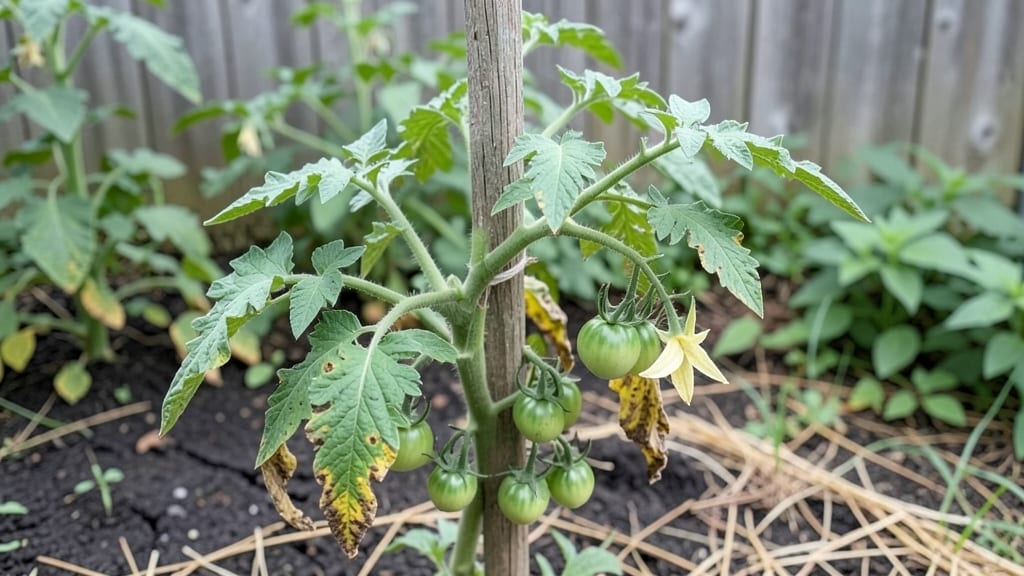
When your tomato plant’s leaves turn yellow and mushy, you’re staring at overwatering symptoms that can kill your harvest if ignored. 🌱 I’ve seen this happen more than once—wilting stems, foul-smelling soil, and roots that look like soggy spaghetti.
The good news? Catching it early means you can still save your plant.
Overwatering drowns roots by cutting off oxygen, leading to root rot and nutrient starvation. You’ll spot yellowing leaves starting at the lower stems, often paired with brown, squishy spots.
The soil stays clingy and smells sour, not fresh. Worse, the plant may lean or droop as it struggles to stand upright.
First, stop watering immediately and let the soil dry out for a few days. Improve drainage by adding perlite or sand to the pot or garden bed. If the roots are mushy and black, trim the damaged parts and repot in fresh, well-draining soil.
Within a week, you’ll see new green growth if the roots are still salvageable.
Prevent future issues by watering only when the top inch of soil feels dry. Use containers with drainage holes or raised beds to avoid soggy soil. Mulch helps regulate moisture, keeping roots happy without drowning them. With these adjustments, your tomato plants will thrive instead of turning into a swamp.
The Hidden Triggers Behind Overwatered Tomatoes
Overwatering your tomato plants might seem like a harmless gardening mistake—after all, who wouldn’t want to give their plants extra love? But too much water can actually strangle your tomatoes by suffocating roots, inviting pests, and disrupting nutrient uptake.
Understanding the real reasons behind overwatering will help you avoid these costly mistakes and keep your plants thriving. Let’s break down the science behind why it happens.
Most gardeners assume their soil drains well, but the truth is, compacted, clay-heavy, or poorly amended soil holds onto water like a sponge. When roots can’t breathe, they suffocate, leading to:
- Oxygen deprivation: Roots need oxygen to respire (yes, they "breathe"!). Water fills soil pores, blocking oxygen and forcing roots to switch to anaerobic respiration—producing toxic ethanol as a byproduct. This is why overwatered plants often smell like rot.
- Root rot: Fungal pathogens like Phytophthora and Pythium thrive in waterlogged conditions, attacking roots within 24–48 hours. Once established, these fungi can spread rapidly, cutting off the plant’s water and nutrient supply.
- Nutrient lockout: Excess water leaches essential nutrients (like nitrogen, phosphorus, and potassium) out of the root zone, leaving plants starved even if they’re drowning.
Actionable fix: Test your soil’s drainage by digging a 6-inch hole, filling it with water, and timing how long it takes to drain. If it takes more than 2–3 hours, amend with compost, perlite, or coarse sand to improve aeration.
Tomatoes are not desert plants, but they’re also not tropical rainforest giants. Many gardeners fall into the trap of watering on a strict schedule (e.g., every morning at 8 AM) without checking soil moisture. Here’s why this backfires:
- Ignoring weather: A week of heavy rain + your daily watering = double the disaster. Soil can’t absorb excess water fast enough, leading to surface runoff and wasted H₂O.
- Shallow root encouragement: Frequent light watering trains roots to stay near the surface, where they’re more vulnerable to drying out and overwatering. Deep watering (1–2 inches per week) encourages roots to grow downward, where they’re better insulated.
- Container quirks: Potted tomatoes dry out faster than in-ground plants, but small containers (<5 gallons) dry out just as quickly. If you’re watering a 5-gallon pot daily, you’re likely causing more harm than good.
Actionable fix: Use the finger test: Stick your index finger 1–2 inches into the soil. If it’s damp, wait. If it’s dry, water deeply until it runs out the drainage holes. Morning watering is best—it reduces evaporation and gives foliage time to dry, preventing fungal diseases.
High heat and humidity can turn your watering routine into a root-drowning disaster. Here’s how:
- Slow evaporation: In hot, dry climates, water evaporates quickly, but in humid or cool conditions, soil stays soggy for days. Think of it like a sweaty workout: your plants can’t "cool down" if the air is already saturated.
- Fungal feast: Warm, humid air + wet leaves = perfect conditions for blight and mildew. These diseases clog stomata (leaf pores), preventing gas exchange and accelerating rot.
- Root stress from temperature swings: Cool nights followed by scorching days create thermal shock in roots. Overwatering in these conditions can physically damage cell walls, making roots more susceptible to rot.
Actionable fix:
- Water early in the day to let foliage dry before evening humidity sets in.
- Use mulch (straw or wood chips) to regulate soil temperature and reduce evaporation.
- Avoid watering after sunset—this traps moisture on leaves overnight, inviting fungal infections.
Tomatoes communicate their needs through physical cues—wilting, yellowing, or stunted growth. But if you overreact to these signs by watering more, you might be making things worse. Here’s why:
- Confusing thirst with disease: Wilting can mean underwatering… or overwatering. If the soil is already soggy but leaves are drooping, the issue is likely root suffocation, not dehydration.
- Overcompensating for pests: Bugs like aphids or spider mites stress plants, but drowning them with water can wash away beneficial microbes and disrupt the soil ecosystem.
- Ignoring transplant shock: Newly planted tomatoes take time to establish roots. Watering them too heavily right after transplanting can displace soil around the roots, delaying recovery.
Actionable fix:
- Check the soil, not just the leaves. If it’s damp, hold off on watering.
- For wilting plants, lift the pot or dig around the base—if the roots smell sour or look mushy, you’ve overwatered.
- Use a moisture meter ($10 at garden stores) to avoid guesswork.
Now that you know the real culprits behind overwatering, you’re armed to protect your tomato plants. The key? Less frequent, deeper watering + soil awareness. Your tomatoes will thank you with juicy, vine-ripened rewards! 🍅💦
Revive Your Tomato Plants Now
Overwatering can feel like a slow-motion disaster for your tomato plants, but the good news? Most damage is reversible with the right approach. Below, we’ll map out practical fixes for each symptom, along with prevention tips to keep your plants thriving.
Think of this as your tomato plant’s emergency first aid kit—no green thumb required!
Cause: Excess water cuts off oxygen to roots, leading to nutrient starvation and leaf discoloration.
How to Fix It:
- 🔥 Pause Watering Immediately Let the top 1–2 inches of soil dry out completely before watering again. Stick your finger in the soil—if it’s damp past your first knuckle, wait.
- 🍳 Improve Drainage Fast
- For pots: Add perlite or coarse sand to the soil mix (aim for 20% amendment).
- For garden beds: Amend the soil with compost or peat moss to loosen it up.
- Pro tip: Elevate containers slightly (use bricks or pot feet) to prevent water pooling.
- 👨🍳 Prune Damaged Foliage Snip off yellow or mushy leaves with clean scissors. This redirects energy to healthy growth.
- 🥘 Feed with Balance Use a balanced fertilizer (like 10-10-10) diluted to half-strength. Overwatered plants crave nutrients but can’t absorb them well—so go easy!
Cause: Soggy soil suffocates roots, leading to rot, wilting, and a foul smell.
How to Fix It:
- ⏰ Emergency Drying Out
- For pots: Move the plant to a shady, dry spot and let the soil dry for 3–5 days. Check daily—don’t water until the soil is bone-dry.
- For garden beds: Dig around the base to loosen compacted soil and improve airflow.
- 🔪 Root Rescue (If Severe)
- Gently remove the plant and trim black, mushy roots with sterilized scissors.
- Dip healthy roots in a fungicide solution (like copper fungicide) for 10 minutes.
- Repot in fresh, well-draining soil (mix potting soil with perlite or vermiculite).
- 🌡️ Adjust Watering Forever
- Morning watering only: Water at the base (not leaves) early in the day so foliage dries by evening.
- Use a moisture meter to avoid guesswork—aim for 40–60% moisture (never soggy).
- Mulch wisely: Apply 2–3 inches of straw or wood chips to retain just enough moisture without smothering roots.
- 🎯 Know Your Tomato’s Thirst
- Seedlings: Water lightly every 2–3 days.
- Mature plants: 1–1.5 inches per week (adjust for rain/climate).
- Pro tip: Larger tomatoes (like beefsteaks) need more water than cherry varieties.
- 🌡️ Soil Test Matters
- Too clay-heavy? Mix in compost or coconut coir to improve drainage.
- Sandy soil? Add organic matter to retain moisture without drowning roots.
- ✨ Upgrade Your Containers
- Pots must have drainage holes—no exceptions!
- Self-watering pots? Use them sparingly—tomatoes hate sitting in water.
- 📊 Track Your Watering
- Keep a simple log for 2 weeks to spot patterns (e.g., “Every Tuesday = yellow leaves”).
- Rainy season? Move pots to a covered area or use a tarp to shield plants.
Remember: Tomato plants are resilient! With these fixes, you’ll see new green leaves in 7–10 days (if root rot isn’t severe). Stay consistent, and your plants will bounce back—ready for a bumper crop. 🍅💪
Frequently asked questions
How do I tell if my tomato plant has yellow leaves from overwatering vs. underwatering?
Check the soil first—if it's soggy and smells foul, it's overwatering. Yellow leaves from overwatering start at the bottom and feel mushy when touched. Underwatered plants show yellowing at the edges (or entire leaves) and soil feels bone-dry. Also, overwatered plants may wilt despite wet soil, while underwatered ones have crispy, dry leaves.
Can I save a tomato plant with root rot from overwatering?
Yes, but act fast! Remove the plant, trim all black/mushy roots, and repot in fresh, well-draining soil with perlite. Let the soil dry completely between waterings. If over 50% of roots are damaged, recovery is unlikely. For early-stage rot, new growth should appear within 7-10 days if you adjust watering immediately.
Why does my tomato plant droop even when the soil is wet?
This classic overwatering sign happens when roots suffocate from lack of oxygen. The plant can't absorb water efficiently, causing wilting despite wet soil. Check for soggy soil and foul odor—these confirm overwatering. Move to shade, stop watering, and improve drainage. Drooping from overwatering usually worsens in the morning after a wet night.
How often should I water tomato plants in containers vs. garden beds?
Containers dry out faster—water when the top 1 inch feels dry (often every 2-3 days in summer). Garden beds hold moisture longer: water when the top 2 inches are dry (1-2 times per week). Always check soil depth—containers need more frequent but deeper watering to encourage root growth. Morning watering prevents fungal issues.