
Companion Plants
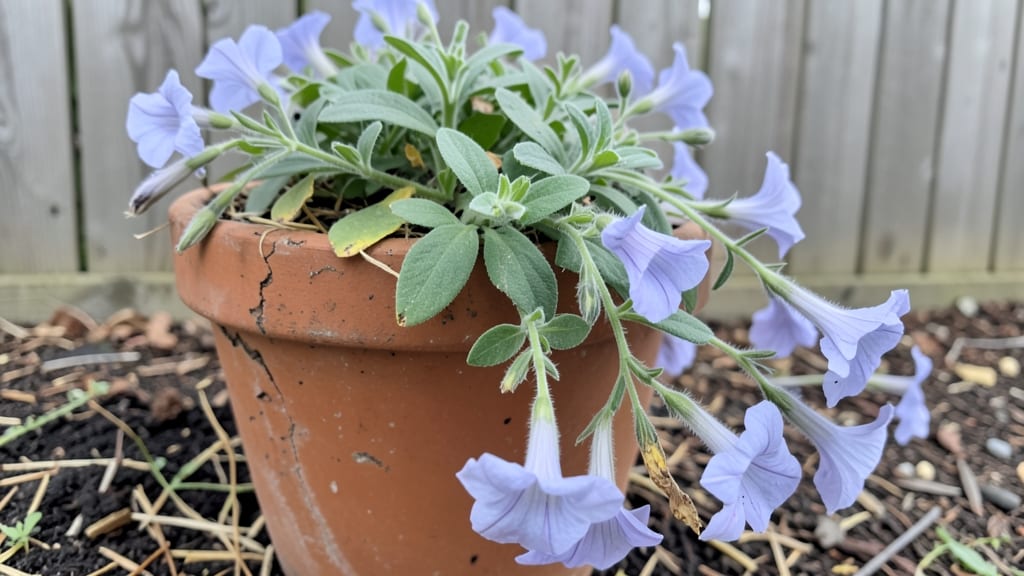
The trailing petunia plants you choose can transform any hanging basket into a cascading masterpiece—but only if you follow these pro tips for lush, long-lasting blooms. 🌿 My first attempt ended in leggy, sparse plants, but now I get dense cascades that last from May until frost.
You’ll need well-draining potting mix (never garden soil), a basket with at least 12 inches of depth, and a spot with 6+ hours of sun. Overwatering is the #1 killer, so I use a moisture meter and water only when the top inch feels dry.
Pruning spent blooms weekly keeps them producing, not just surviving.
By mid-July, your baskets will be bursting with blooms in every shade from purple to pink, with foliage so lush it hides the container edges. The trailing habit makes them perfect for porches, decks, or even window boxes—just pair them with calibrachoas for extra volume or sweet alyssum for contrast.
Works in zones 3-11, though heatwave areas need afternoon shade. For extra longevity, I add a slow-release fertilizer at planting and top-dress with compost in August. Now let’s get those baskets overflowing!
📚 In This Guide
- What you need
- Instructions
- Tips and common mistakes
- Wrapping up and next steps
What you need
- ● Trailing petunia plants: 3–5 plants per hanging basket (choose varieties like 'Supertunia,' 'Tumbling Violet,' or 'Wave' for best results).
- ● Hanging baskets: 10–14" diameter, with drainage holes (plastic or woven materials work well).
- ● Potting mix: 1 bag of high-quality, well-draining hanging basket mix (avoid garden soil—it compacts!).
- ● Slow-release fertilizer: 1 packet of balanced, time-release granules (10-10-10 or 14-14-14 ratio).
- ● Watering can or hose with a gentle nozzle: For even moisture without disturbing plants.
- ● Scissors or pruners: Sharp, clean pair for trimming dead foliage or leggy stems.
- ○ Mulch (optional): Sphagnum moss or coconut coir to retain moisture and insulate roots.
- ● Liquid fertilizer: Diluted fish emulsion or tomato feed for a mid-season boost.
- ● Plant stakes or trellis: If training petunias to trail vertically (e.g., for a porch or balcony).
- ● Spray bottle: For misting leaves on hot days to prevent wilting.
- ● Garden gloves: To protect your hands from prickly stems or sharp edges.
- ● Sun hat or umbrella: For shade during extreme heat (especially for light-colored petunias).
Step-by-step instructions for growing trailing petunias in hanging baskets
Here’s how to coax those lush, cascading petunia blooms—with minimal fuss and maximum impact.
🪴 Step 1: Select and Prepare the Perfect Hanging Basket
Choose a basket with 12-18 inch diameter—large enough to support roots but not so deep that moisture stagnates. I prefer coconut fiber liners because they wick excess water away from roots while retaining just enough moisture. If using plastic, poke 10-15 drainage holes along the bottom to prevent soggy soil.
Fill the liner halfway with the 3 gallons of potting mix, pressing lightly to remove air pockets. The mix should feel like a damp sponge—squeeze it gently, and it should hold its shape without dripping. This ensures roots get oxygen while staying hydrated. Leave 2 inches of space at the top for watering and future growth.
🌱 Step 2: Plant Transplants Strategically for Full Coverage
For 4 trailing petunia plants, space them 6 inches apart along the basket’s edge. Dig a hole twice as wide as the root ball but only as deep as the pot’s original level—burying stems too deep invites rot. Gently tease apart any circling roots to encourage outward growth.
I like to tuck plants in slightly off-center so their trailing stems drape evenly. After planting, water deeply until moisture flows out the drainage holes—this settles the soil and eliminates air gaps. You’ll see the first true leaves perk up within 3-5 days if everything’s right.
☀️ Step 3: Position for Maximum Blooms and Protect from Harsh Elements
Petunias crave 6-8 hours of direct sun daily, but afternoon shade in hotter climates (above 90°F) prevents wilting. I place my baskets on patio railings or freestanding stands where they get morning sun and afternoon breeze. Avoid east-facing spots—morning sun can scorch delicate petals before they open.
If you notice leaves curling or flowers closing midday, move the basket to a spot with dappled shade. Mulch the soil surface with ½ inch of hydroponic clay pebbles to retain moisture and reflect heat away from roots. This keeps the basket 5-10°F cooler than ambient air.
💧 Step 4: Water and Feed for Nonstop Blooms
Water every morning until ½ inch of water drains out the bottom—petunias hate dry soil but despise soggy roots. I use a gentle shower setting on my hose to avoid dislodging plants. Check soil moisture by sticking your finger 1 inch deep; if it’s dry, water again. Overhead watering in the evening invites fungal diseases like powdery mildew.
Feed every 2 weeks with the 16-16-16 fertilizer (mixed at ½ strength) to encourage blooms over foliage. I dissolve the fertilizer in water and apply it directly to the soil, not the leaves. You’ll notice new buds forming within 5-7 days of feeding—proof the plants are thriving.
✂️ Step 5: Prune and Maintain for Long-Lasting Beauty
Deadhead spent blooms weekly by pinching off flowers just above the next set of leaves. This redirects energy to new growth instead of seed production. I also trim any leggy stems back by ⅓ to encourage bushier, fuller plants. Use clean, sharp pruners to avoid tearing stems.
Watch for aphids or spider mites on the undersides of leaves—these pests thrive in dry conditions. Spray infested areas with neem oil solution (1 tbsp oil + 1 quart water) at dusk. With consistent care, your petunias will cascade 18-24 inches by mid-summer, creating a vibrant waterfall of color.
Tips & tricks for perfect trailing petunia plants
Here's what I've learned from years of growing these showstopping cascading blooms—details that make all the difference between good and spectacular.
Basket Selection Wisdom: The 12-18 inch diameter range is critical for root support, but don't overlook liner material. Coconut fiber liners are my top choice because they create perfect airflow while retaining just enough moisture. If using plastic, those 10-15 drainage holes are non-negotiable—soggy soil is petunias' worst enemy. I've seen baskets with inadequate drainage lead to root rot within just 5-7 days.
Planting Technique That Changed Everything: When planting your 4 trailing petunia plants, the slightly off-center positioning might seem counterintuitive, but it creates that perfect cascading effect. And that 6-inch spacing? It's not just about aesthetics—it gives each plant enough room to develop strong roots without competing for nutrients. I've noticed plants spaced too closely develop weaker stems that can't support the trailing growth.
Sunlight Strategy for Hot Climates: Those 6-8 hours of direct sun are essential, but the afternoon shade adjustment above 90°F is where many gardeners go wrong. I've learned the hard way that east-facing spots can scorch petals before they even open. The dappled shade solution with hydroponic clay pebbles creates that crucial 5-10°F temperature buffer that keeps roots happy while still allowing enough light for photosynthesis.
Watering Secret: The morning watering routine isn't just about timing—it's about technique. Using a gentle shower setting prevents dislodging those delicate plants while ensuring that ½ inch of drainage happens consistently. I've found that checking soil moisture at 1 inch deep is more reliable than guessing by appearance. The key is consistency: petunias hate both dry soil and waterlogged conditions equally.
Pro Tips for Trailing Petunia Plants
- Here's what I've learned from years of growing these showstopping cascading blooms—details that make all the difference between good and spectacular.
- Basket Selection Wisdom: The 12-18 inch diameter range is critical for root support, but don't overlook liner material.
- Planting Technique That Changed Everything: When planting your 4 trailing petunia plants, the slightly off-center positioning might seem counterintuitive, but it creates that perfect cascading effect.
Frequently asked questions
Got questions about growing trailing petunia plants? You’re not alone! Here are answers to the most common queries—from planting tips to troubleshooting—so you can keep your cascading blooms happy and thriving.
When is the best time to plant trailing petunia?
Plant trailing petunias after the last frost when soil temperatures reach at least 60°F (15°C). For hanging baskets, start indoors 8–10 weeks before your last frost date, then transplant once roots fill the container. In warm climates, you can plant year-round, but avoid extreme heat (above 85°F/29°C).
How often should I water trailing petunias?
Water daily in hot weather—trailing petunias love moisture but hate soggy roots. Let the top inch of soil dry out between waterings, and always water at the base (not the leaves) to prevent fungal diseases. Hanging baskets dry out faster, so check them twice daily in peak summer.
Why are my petunia leaves turning yellow?
Yellowing leaves usually signal overwatering, underwatering, or pests. Check the roots: mushy soil = rot; dry, crumbly soil = thirst. Inspect undersides for aphids or spider mites (common culprits). Adjust watering habits and treat pests with neem oil or insecticidal soap if needed.
Can I grow trailing petunias in containers other than hanging baskets?
Try window boxes, vertical planters, or even large pots with drainage. Just ensure the container is at least 10–12 inches deep to accommodate their trailing roots. Petunias also thrive in community planters with companions like bacopa or lobelia—just avoid overcrowding!
Do trailing petunias survive winter?
Most trailing petunias are annuals and won’t survive frost. In mild winters (Zones 9–11), they may linger, but they’ll likely die back. Save seeds or cuttings in fall, or replant fresh starts in spring. For colder climates, treat them as seasonal splashes of color—worth the temporary joy!
Pro Tip: Pinch back leggy stems early to encourage bushier growth and more blooms!
Wrapping up and next steps
Trailing petunias bring effortless beauty to gardens with their vibrant blooms and easy-care nature—perfect for hanging baskets, containers, or window boxes! 🌸 Whether you’re a seasoned gardener or just starting, these cascading charmers reward patience with months of stunning color.
Ready to dive in? Grab your supplies, follow the steps, and soon you’ll be enjoying a showstopping display that brightens any space.
Now that you’re armed with tips and tricks, take the next step—plant your petunias today! Experiment with colors, mix varieties, or share your progress with fellow gardeners. Happy planting, and may your garden bloom with joy! 🌿