Pruning
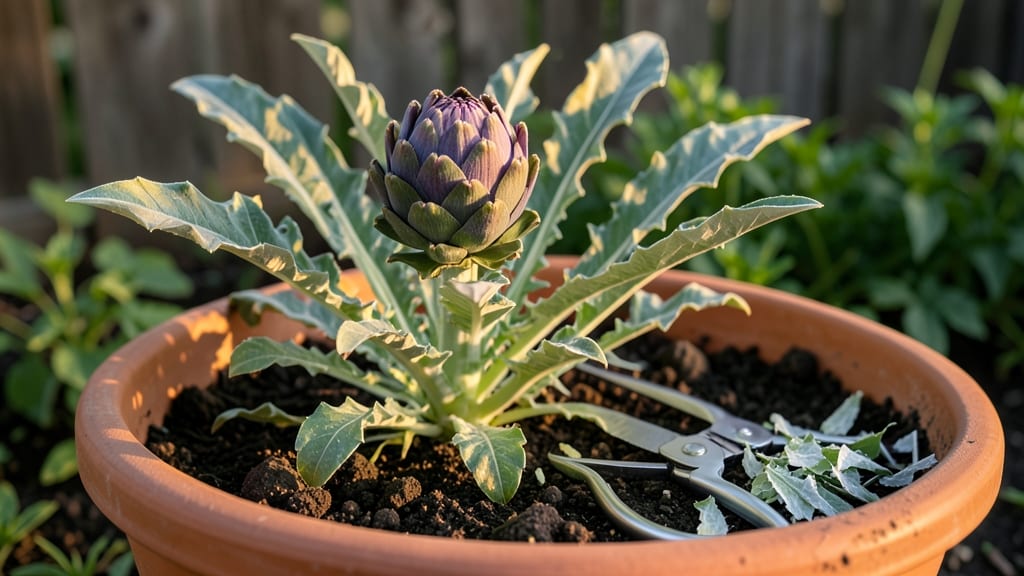
Trimming artichoke plants keeps them producing like crazy all season long. ✨ I used to think pruning was just about shaping the plant, but it’s actually the secret to bigger harvests and fewer pests.
The right cuts encourage bushier growth, stop diseases in their tracks, and even help those artichoke buds form faster.
You don’t need fancy tools—just sharp pruners, gloves, and a clear day when the plants are dry. Start by removing any dead or yellowing leaves right at the base, then cut back leggy stems to just above a leaf joint.
This might sound scary, but artichokes are tougher than they look and bounce back fast.
What you’ll end up with is a plant that looks fuller, grows stronger, and keeps giving you those prized artichokes from early summer right through fall. The key is consistency—trim every 2-3 weeks, and you’ll see the difference in just a few weeks.
Works for both globe and French artichoke varieties, and even small-space gardeners can use containers as long as the roots have room to spread. Let’s get those plants looking like champions!
📚 In This Guide
- What you need
- Instructions
- Tips and common mistakes
- Wrapping up and next steps
What you need
- ● Pruning shears or sharp bypass pruners – Choose clean, sterilized tools with sharp blades (4-6 inch length) to avoid damaging stems.
- ● Gloves (heavy-duty gardening gloves) – Protects hands from thorns and rough foliage (opt for nitrile-coated for extra grip).
- ● Disinfectant (70% isopropyl alcohol or bleach solution) – 1 part bleach to 9 parts water to sterilize tools between cuts and prevent disease.
- ○ Pruning saw (optional, for thicker stems) – Use a fine-tooth saw if trimming woody stems over ½ inch thick.
- ● Compost bin or mulch – For clippings and debris (artichoke plants benefit from organic matter!).
- ○ Markers or labels (optional) – Useful for tracking varieties or pruning dates if growing multiple types.
- ● Know your plant’s growth stage – Trim new growth in early spring and flower buds in late spring/early summer for optimal harvests.
- ● Wait for dry weather – Avoid trimming if rain is forecasted within 24 hours to prevent fungal issues.
- ● Identify healthy vs. diseased leaves – Remove yellowed or wilted foliage first to redirect energy to productive growth.
How to trim artichoke plants for maximum yield
Here’s the method I’ve used for years to keep artichokes producing through the seasons.
✂️ Step 1: Remove Dead or Damaged Growth First
Start by inspecting your plants for any brown, wilted, or broken stems—these are the first to go. Use clean, sharp pruning shears to cut just above a healthy leaf node or bud. This prevents disease from spreading to the rest of the plant. I always work in the morning when the foliage is dry, so I can spot issues more easily.
If you see yellowing leaves, don’t toss them out yet. Check the stems—if they’re still firm, the plant might just need more water. Only remove leaves that feel mushy or have black spots. This step keeps your artichokes focused on new growth instead of wasting energy on damaged parts.
✂️ Step 2: Prune Side Shoots for Bushier Plants
Artichokes grow best when they’re encouraged to branch out. After removing the dead growth, look for small side shoots growing from the main stems. These are your future harvest points! Use your shears to trim back any side shoots that are growing too close together—leave about 6-8 inches between them.
Here’s the thing—I like to keep 2-3 of the strongest side shoots per main stem. This ensures the plant has enough energy to produce buds while still maintaining a sturdy structure. If you leave too many, they’ll compete for sunlight and nutrients, leading to smaller artichokes.
✂️ Step 3: Thin Out Overcrowded Buds
Once your artichokes start forming buds, you’ll need to thin them out to prevent overcrowding. Look for buds that are growing too close to each other—typically within 4-6 inches. Use your fingers to gently twist off the smaller or weaker buds, leaving only the largest, healthiest one per stem.
This might feel wasteful, but trust me—it pays off. Thinning ensures the remaining buds get enough sunlight and air circulation, which means bigger, more flavorful artichokes. I usually do this every 2-3 weeks during the growing season to keep the plants in check.
✂️ Step 4: Cut Back Old Stems After Harvest
After you’ve harvested your artichokes, don’t just walk away—give the plant a little trim to encourage new growth. Use your shears to cut back the main stems by about one-third, just above a set of leaves or buds. This pruning stimulates the plant to produce new side shoots, giving you a second flush of artichokes later in the season.
I always do this in the late afternoon to avoid stressing the plant. Water it well right after pruning, and you’ll see new growth within 2-3 weeks. This is how I’ve managed to extend my harvest well into fall.
⏰ Step 5: Prepare for Winter Dormancy
As temperatures drop, your artichoke plants will slow down. In late fall, cut back any remaining dead or weak stems, but leave about 6 inches of the main stem intact. This helps protect the plant’s crown from freezing temperatures. Mulch around the base with 2-3 inches of organic matter to insulate the roots.
Don’t prune too aggressively in winter—just enough to keep the plant tidy. In early spring, you’ll see new growth emerge from the base, and that’s your signal to start trimming again for another productive season.
Tips & tricks for perfect artichoke plant trimming
Keeping your artichoke plants productive all season takes a few key tricks—here's what I've learned after years of trial and error.
Timing is Everything: I've found that the best time to trim is in the early morning, when the dew has evaporated but the plants are still cool. This reduces stress on the plant and makes it easier to spot issues. If you must trim later in the day, do it in the late afternoon to give the plant time to recover before nightfall.
Tool Prep Matters: Before you start, make sure your pruning shears are sharp and clean. Dull blades can crush stems instead of cutting cleanly, which can damage the plant. I like to wipe the blades down with rubbing alcohol between cuts to prevent spreading any potential diseases. Sterilizing your tools also helps maintain plant health throughout the season.
Visual Cues for Healthy Growth: When thinning buds in Step 3, look for buds that are at least 1 inch in diameter—they're the ones that will produce the largest, most flavorful artichokes. Smaller buds might not have enough energy to mature properly. Also, pay attention to the color: healthy buds should be a vibrant green, not yellowing or browned at the edges.
Seasonal Adjustments: During the hottest part of summer, I reduce my trimming frequency to every 3-4 weeks instead of the usual 2-3 weeks. The intense heat can stress the plants, so giving them a bit more time between trims helps them recover. Always water well after trimming during dry spells to help the plant bounce back faster.
Pro Tips for Trimming Artichoke Plants
- Keeping your artichoke plants productive all season takes a few key tricks—here's what I've learned after years of trial and error.
- Timing is Everything: I've found that the best time to trim is in the early morning, when the dew has evaporated but the plants are still cool.
- Tool Prep Matters: Before you start, make sure your pruning shears are sharp and clean.
Frequently asked questions
Got questions about keeping your artichoke plants thriving with the right trims? Here are answers to the most common ones—so you can prune like a pro!
When is the best time to trim artichoke plants?
Trim artichoke plants after harvest or in early spring before new growth begins. For perennial varieties, focus on pruning spent flower stalks and leggy stems in late winter or early spring. Avoid heavy trimming during active growing seasons unless removing diseased foliage.
How much should I cut back my artichoke plant?
Remove no more than 1/3 of the plant’s foliage at a time. For bushy growth, trim back old or woody stems to encourage new shoots. If pruning for harvest, cut just above a leaf node (where new buds form) to promote fresh growth. Never remove more than 50% of the plant in a single session.
Can I trim artichoke plants in the fall or winter?
Yes! Light trimming in late fall (after frost) helps remove dead or damaged leaves, but avoid heavy cuts. In winter, prune only to shape or remove diseased branches. Perennial artichokes benefit from a light haircut to protect them from harsh winds and pests.
What do I do if my artichoke plant looks leggy after trimming?
Leggy growth often means your plant needs more light or nutrients. To fix it, trim back the longest stems to encourage bushier growth, and fertilize with a balanced, phosphorus-rich feed. Also, ensure it gets 6+ hours of sunlight daily and water deeply but infrequently to avoid over-softening stems.
Are there alternatives to pruning if my artichoke plant is struggling?
If pruning feels overwhelming, try mulching (2–3 inches of organic matter) to retain moisture and reduce stress. For pests, use neem oil or insecticidal soap instead of cutting. If the plant is overcrowded, thin out weaker stems at the base rather than full pruning.
Wrapping up and next steps
Mastering the art of trimming artichoke plants is your ticket to a bountiful, year-round harvest! 🌱 By following the right techniques—whether it’s pruning for shape, encouraging regrowth, or managing pests—you’ll keep your plants thriving and productive. Remember, consistency is key, and a little effort now means more delicious artichokes later.
Ready to take your garden to the next level? Grab your shears and start trimming today! 🌿 For even more tips, check out our guide on seasonal care for artichokes to keep your plants happy all year round.