
Pruning
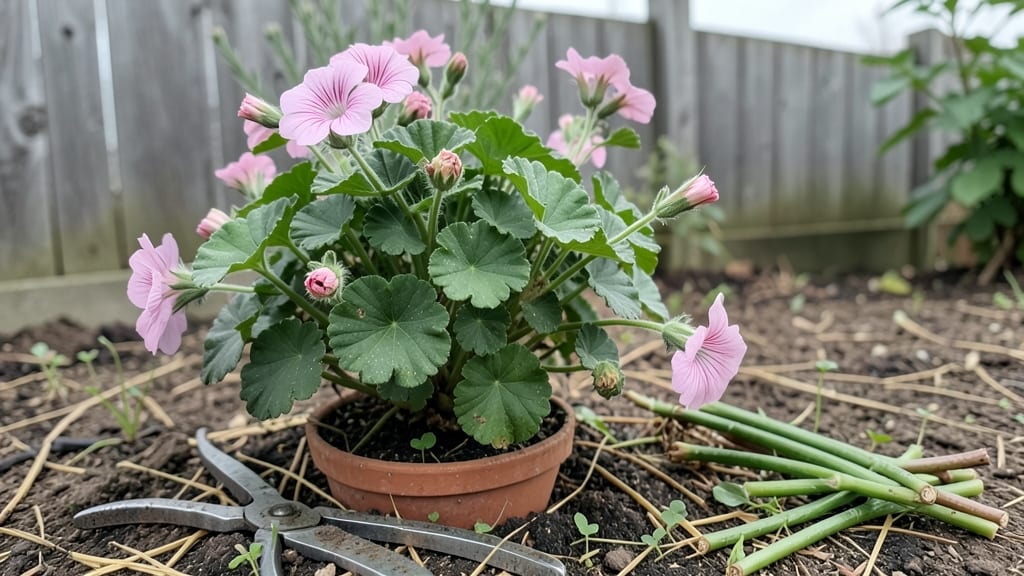
Trimming geranium plants isn't just about keeping them tidy—it’s the secret to year-round blooms that outshine anything you’ve seen before. 🌿 I’ve spent years perfecting this technique, and the difference between a leggy, sparse plant and one bursting with flowers comes down to precise cuts and timing.
The right approach transforms geraniums from seasonal performers into continuous showstoppers.
You’ll need just a few simple tools: sharp pruning shears (dull blades tear stems and invite disease), clean gloves, and a clear day for visibility.
The key steps focus on removing spent blooms, shaping the plant, and encouraging new growth—all while avoiding the common mistake of cutting too late in the season, which stunts regrowth.
Most gardeners overlook the importance of spring and fall pruning, but these two sessions set the stage for nonstop color.
Within two to three weeks of proper trimming, you’ll notice fresh, vibrant shoots emerging from the base, each one a promise of new blooms. The plants become fuller, more resilient, and resistant to pests, while the flowers stay vibrant longer.
This isn’t just pruning—it’s a foolproof way to extend your geranium season from spring to frost, with minimal effort.
Whether you’re working with trailing varieties, bush types, or scented geraniums, the same principles apply. The technique adapts to containers, window boxes, or garden beds, making it perfect for any space. Ready to turn your geraniums into the star of every season? Let’s get those shears sharp and start cutting.
📚 In This Guide
- What you need
- Instructions
- Tips and common mistakes
- Wrapping up and next steps
What you need
- ● Pruning shears or sharp bypass pruners: Choose sterilized, sharp tools (avoid dull scissors!). A 5-inch blade works best for most geraniums.
- ○ Hand pruners (optional for small stems): For delicate trimming, especially on zonal or ivy geraniums.
- ● Rubbing alcohol (70% or higher) or bleach solution (1:9 water ratio): To sterilize tools before and after use (prevents disease!).
- ○ Gloves (optional but recommended): Lightweight gardening gloves protect against sap irritation or thorns (common in hardy geraniums).
- ● Newspaper or drop cloth: Lay down to catch clippings and keep your workspace clean.
- ● Pruning saw (for woody stems): Only needed if your geraniums have thick, overgrown stems (rare for annuals).
- ● Plant food (balanced 10-10-10 or bloom booster): Apply 2-3 weeks post-pruning to encourage new growth.
- ● Spray bottle with water: Lightly mist cut stems to reduce stress on the plant.
- ● Notebook & pen: Jot down pruning dates or notes on plant responses for future reference!
Instructions for trimming geranium plants
Master this technique and your geraniums will reward you with lush foliage and continuous blooms from spring through fall.
✂️ Step 1: Time Your First Major Trim
Wait until after the first flush of blooms has faded—typically 4-6 weeks after planting—before making your first major cut. This timing ensures the plant has established enough energy reserves to rebound strongly. Look for stems that have produced spent flowers and are now developing new buds lower down.
Use clean, sharp pruners to make your cuts just above a set of leaves where new growth can emerge. Avoid cutting into woody stems; focus on the softer, green growth. If you're unsure where to cut, imagine a small leaf at the base of the stem you're trimming—your cut should be about ¼ inch above that leaf.
✂️ Step 2: Deadhead Regularly for Continuous Blooms
Deadheading—removing spent blooms—is the secret to keeping geraniums flowering nonstop. Pinch off faded flowers with your fingers or snip them off with pruners twice weekly during peak bloom season. You'll know it's time when flower petals turn brown or fall off naturally.
Always cut back to the first healthy leaf below the bloom. This encourages the plant to redirect its energy into producing new flowers rather than setting seed. I find it helpful to do this in the morning; the fresh cuts will have time to dry slightly before evening, reducing the risk of disease.
✂️ Step 3: Shape and Thin in Late Summer
By late summer, geraniums often become leggy or overcrowded. This is your cue for a more aggressive trim. Cut back one-third of the plant's height, focusing on the oldest, most woody stems first. You'll see these as thicker, less flexible stems compared to the newer growth.
Thin out crowded stems to improve airflow—this prevents fungal diseases like powdery mildew. Aim for a rounded shape rather than a flat-topped one; this encourages sturdy growth and better light penetration to the lower leaves. After trimming, give the plant a light feeding with a balanced fertilizer to support new growth.
✂️ Step 4: Prepare for Winter Dormancy
As temperatures drop below 50°F and growth slows, it's time to reduce trimming. Cut back any remaining dead or diseased stems, but leave the healthy growth intact. Geraniums are tender perennials in most climates, so they'll need winter protection.
Trim back by about half the plant's height in late fall, just before the first frost. This helps the plant conserve energy over winter. If you're growing geraniums in containers, move them to a sheltered spot or bring them indoors where they'll receive minimal light until spring.
⏰ Step 5: Early Spring Revitalization
In early spring, when new growth begins—you'll notice fresh green shoots emerging from the base of the plant—it's time for your final trim of the season. Cut back any remaining dead growth and shape the plant lightly to encourage a bushy habit.
This is also the time to repot if needed, using fresh well-draining potting mix. Geraniums appreciate a slightly root-bound environment, so only increase the pot size by 1-2 inches if necessary. Place the plant in a bright location and resume regular deadheading once blooms appear.
Tips & tricks for perfect geranium trimming
Mastering the art of trimming geraniums transforms your plants from seasonal bloomers to year-round showstoppers. Here's what nobody tells you about keeping them thriving.
Timing is Everything: The 4-6 week window for your first major trim after planting is non-negotiable. This period allows the plant to establish sufficient energy reserves—think of it as letting your geranium build up its "savings account" before you start making withdrawals. I've seen beginners trim too early and end up with stunted growth that takes months to recover.
The ¼ Inch Rule: When making cuts in Step 1, that ¼ inch above the leaf isn't just arbitrary—it's where the plant's growth hormones are most active. Cut too close to the leaf, and you risk exposing the stem to disease. Cut too far, and you remove potential growth points. I use a small ruler to verify this measurement when I'm unsure, especially with my first few cuts.
Deadheading Discipline: Those twice-weekly deadheadings in Step 2 are your secret weapon for continuous blooms. The key is consistency—skipping even one session can lead to seed formation, which diverts energy away from flowers. I set a phone reminder for every Tuesday and Friday during peak season to make it non-negotiable. Morning sessions are ideal because the fresh cuts have time to dry before evening humidity sets in.
Late Season Strategy: The one-third height reduction in Step 3 might seem drastic, but it's essential for preventing legginess. Focus on the oldest stems first—they're thicker and less flexible, indicating they've already contributed their maximum energy. After trimming, I always give my plants a light feeding with a 10-10-10 fertilizer to support the new growth surge that follows.
Pro Tips for Trimming Geranium Plants
- Mastering the art of trimming geraniums transforms your plants from seasonal bloomers to year-round showstoppers.
- Timing is Everything: The 4-6 week window for your first major trim after planting is non-negotiable.
- The ¼ Inch Rule: When making cuts in Step 1, that ¼ inch above the leaf isn't just arbitrary—it's where the plant's growth hormones are most active.
Frequently asked questions
Got questions about keeping your geraniums lush and blooming? Here are answers to the most common queries—so you can trim with confidence!
When is the best time to trim geraniums for maximum blooms?
The ideal time is early spring (just before new growth starts) and after each major bloom cycle (late summer or fall). Avoid heavy pruning in late fall or winter—geraniums need rest then! Light trims to remove dead flowers (deadheading) can happen year-round.
How much can I cut back geraniums without harming them?
For hard pruning, trim back 1/3 of the plant’s height (about 3–4 inches from the top). For light maintenance, snip just above a leaf node or set of leaves. Never cut into bare stems—always leave a leaf or bud to encourage regrowth.
What if my geraniums look leggy after trimming?
Leggy growth happens when plants don’t get enough light. Move them to a sunnier spot (geraniums need 6+ hours of sunlight daily) and pinch back tips of new growth to encourage bushiness. Over time, they’ll fill out!
Can I propagate geraniums from cuttings after trimming?
Use 4–6 inch cuttings with at least 2–3 leaf nodes. Dip in rooting hormone, plant in moist potting mix, and cover with a plastic bag to retain humidity. Roots should form in 3–4 weeks—perfect for free plants!
Why are my geraniums dying after pruning?
Over-pruning or cutting into old wood (woody stems) can stress plants. If leaves yellow or stems wilt, reduce watering (geraniums hate soggy soil) and avoid heavy trims until they recover. Pro tip: Always sterilize shears with rubbing alcohol to prevent disease.
Wrapping up and next steps
Trimming your geraniums isn’t just about keeping them tidy—it’s the secret to vibrant, long-lasting blooms all year! With the right tools, timing, and technique, you’ll transform your plants into lush, flowering powerhouses. Remember: sharp cuts encourage growth, and a little regular care goes a long way.
Ready to see your geraniums thrive? Grab those shears and start trimming today! For extra inspiration, check out our guide on geranium care or join a gardening community to share your progress. Happy pruning! 🌸✂️