Shrubs
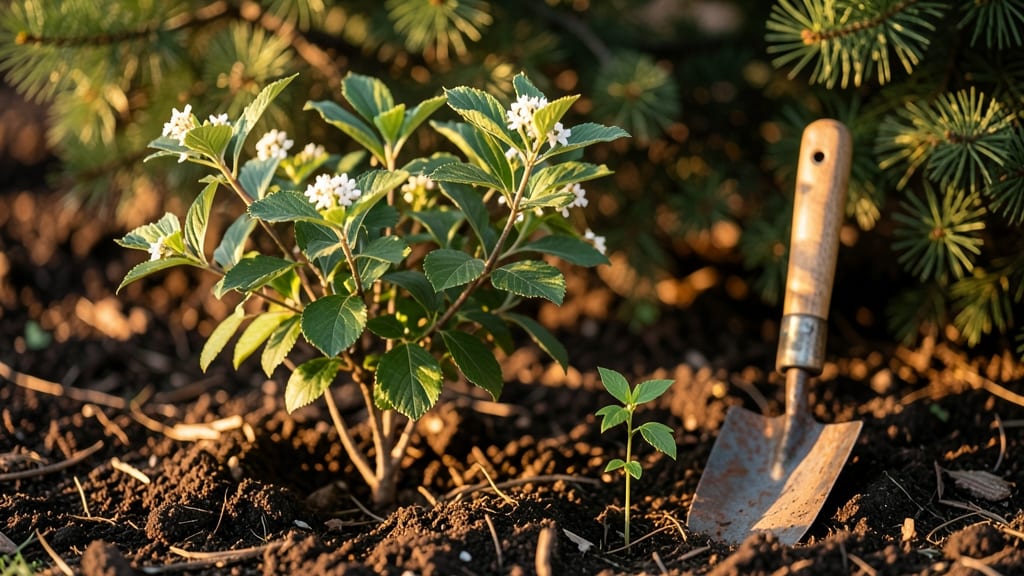
Planting viburnum shrubs at the right distance ensures they thrive for years 🌿 — most varieties need 4 to 6 feet between plants to prevent overcrowding and disease.
Struggling to decide how far apart to plant your viburnum shrubs? Proper spacing isn’t just about aesthetics—it directly impacts growth, airflow, and even disease resistance. Get the science-backed rules to maximize your viburnum’s potential while avoiding common gardening mistakes.
Too close, and your shrubs will compete for nutrients, leaving them stunted and vulnerable to fungal issues. Too far, and you waste space in your garden. The key is balancing mature size with airflow needs, especially in USDA Zone 6a where spring planting is ideal.
Below, I break down the exact spacing for popular types like Viburnum opulus and Viburnum plicatum, plus tips for small gardens and long-term health. Ready to plant with confidence?


Optimal viburnum planting distance by species and growth habit
Getting the viburnum spacing right ensures your shrubs thrive without competing for nutrients or sunlight. Different viburnum varieties have unique growth habits—some sprawl wide while others grow tall. I’ll break down the ideal planting distances for popular types, including how to adjust spacing for hedges versus standalone plants.
Most viburnums follow a 3:1 height-to-width ratio at maturity, meaning a 6-foot-tall shrub will spread about 2 feet. However, Viburnum plicatum (Japanese snowball) can reach 10 feet tall but only 8 feet wide, while Viburnum dentatum (arrowwood) stays compact at 6 feet tall and wide.
These differences directly impact how far apart you should plant them.
⚠️ Pro Tip: Always measure mature size from catalogs or local nurseries—young plants look tiny but will fill out quickly!
Here’s a quick reference for common viburnum spacing based on their growth habits:
<summary-table>| Variety | Mature Height | Mature Width | Spacing (Single Plant) | Spacing (Hedge) | Notes |
|---|---|---|---|---|---|
| Viburnum opulus (Cranberrybush) | 6–10 ft | 6–10 ft | 6–8 ft apart | 4–5 ft apart | Needs airflow; prone to powdery mildew if crowded. |
| Viburnum dentatum (Arrowwood) | 6–8 ft | 6–8 ft | 5–6 ft apart | 4 ft apart | Dense habit; great for hedges or screens. |
| Viburnum plicatum (Japanese Snowball) | 10–15 ft | 8–10 ft | 8–10 ft apart | 6 ft apart | Upright growth; plant near structures for support. |
| Viburnum burkwoodii (Burkwood Viburnum) | 3–5 ft | 3–5 ft | 3–4 ft apart | 2–3 ft apart | Compact; ideal for small gardens or containers. |
| Viburnum trilobum (American Cranberrybush) | 8–12 ft | 8–12 ft | 8 ft apart | 5–6 ft apart | Wild, sprawling habit; needs room to spread. |
For hedges or privacy screens, reduce spacing by 20–30% to encourage dense growth. For example, Viburnum dentatum should be planted 4 feet apart in a hedge but 6 feet apart as a single specimen. This adjustment prevents overcrowding while maintaining airflow to reduce fungal diseases like powdery mildew.
If your garden has limited space, consider dwarf varieties like Viburnum burkwoodii, which thrive in 3–4 feet of space. Pairing them with taller viburnums creates a layered look without sacrificing airflow. Just avoid planting Viburnum opulus too close to other shrubs—its aggressive root spread can outcompete neighbors.
Another key factor is sunlight exposure. Viburnums in full sun (like Viburnum plicatum) need slightly more space to avoid shade competition, while those in partial shade (like Viburnum dentatum) can tolerate closer spacing. Always face plants south-facing to maximize light exposure and even growth.
🌿 Final Tip: Mark your planting spots with stakes before digging to ensure even spacing. Use a measuring tape and adjust for mature size—you’ll thank yourself later when your viburnums flourish without crowding!
How planting distance affects viburnum health: airflow, disease prevention, and root competition
When planting viburnum shrubs, the distance between plants isn’t just about creating a pretty garden border—it’s a health imperative. Too little space leads to stunted growth, fungal diseases, and even root competition that weakens your plants over time.
I’ve seen firsthand how proper spacing transforms a struggling viburnum into a thriving, disease-resistant specimen. Let’s explore why airflow and root health matter so much.
Powdery mildew and leaf spot are common viburnum enemies, and they thrive in crowded conditions where humidity lingers and airflow is restricted. A single viburnum plant needs enough breathing room to dry out quickly after rain or morning dew. Without it, fungal spores spread like wildfire, turning lush green leaves into a sad, dusty mess. Even root rot becomes a risk when roots compete for nutrients and water in overcrowded soil.
⚠️
Viburnums planted closer than 3 feet suffer from reduced airflow, trapping moisture and inviting powdery mildew and root rot. Even well-draining soil can’t save them if roots are crammed together. Rule of thumb: Space viburnums at least 4-6 feet apart for optimal airflow and root health.
Root competition is another silent killer. When viburnum roots tangle with neighbors, they steal nutrients and compete for water, leaving both plants weak and stressed. I’ve watched viburnums in tight clusters grow only half their expected size because their roots couldn’t access enough resources.
The solution? Give them room to spread their roots without battling for space.
If you’re working with an established garden where viburnums are already too close, don’t panic. Pruning can help reclaim space by thinning out dense growth and improving airflow.
Focus on removing crossing branches and suckers at the base—this opens up the center of the plant and lets light and air circulate. Just time your pruning right: late winter or early spring is ideal, before new growth begins.
For transplanting overcrowded viburnums, wait until fall or early spring when the plant is dormant. Dig a hole twice as wide as the root ball and amend the soil with compost to reduce shock.
Space the newly transplanted viburnum 5-6 feet away from its neighbors to give it room to recover and grow. Water deeply after planting to help roots establish in their new space.
Remember, proper spacing isn’t just a one-time fix—it’s an investment in your viburnum’s long-term health. With the right distance, you’ll enjoy vibrant foliage, fewer diseases, and stronger growth for years to come. Your future self (and your viburnums) will thank you! 🌿