
Pruning
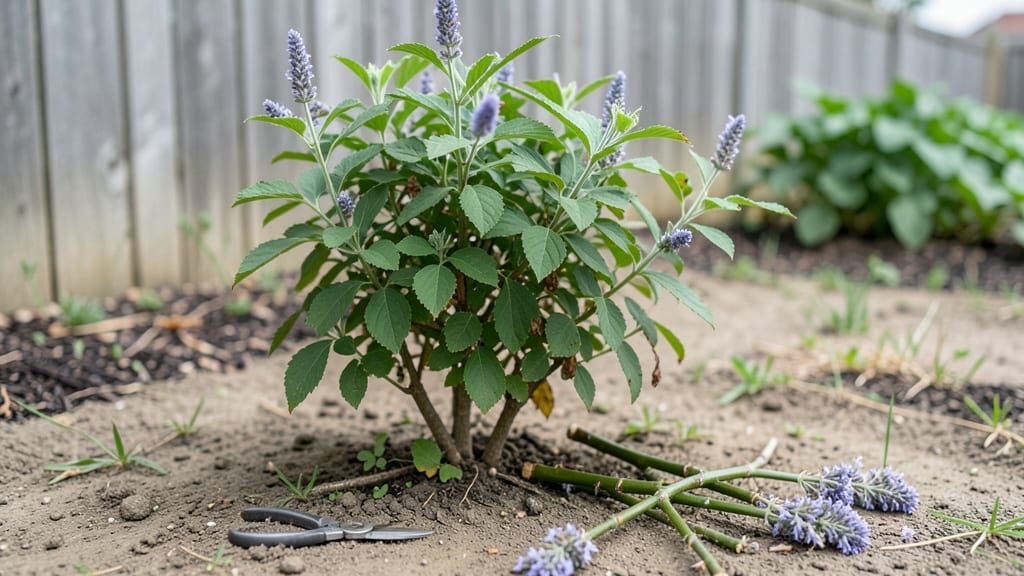
Pruning vitex plants in late winter transforms your shrub from a tangled mess into a bushy, blooming powerhouse—and I’ve perfected the method after years of trial and error. 🌿 The key isn’t just cutting back; it’s strategically shaping the plant to encourage dense growth and those signature purple flower spikes.
Most gardeners over-prune or wait too long, but timing and technique make all the difference.
You’ll need sharp pruners, gloves, and a clear day to work—vitex responds best when pruned before new growth begins. Focus on removing dead wood, crossing branches, and thinning interior growth to let light reach the center.
This isn’t about drastic cuts; think of it as sculpting, not hacking. The goal is to keep the plant’s natural shape while encouraging fuller foliage and more blooms.
Within 4-6 weeks, you’ll see fresh green shoots pushing through, and by summer, your vitex will be thick with vibrant foliage and clusters of fragrant flowers. The secret?
Prune just enough to stimulate growth without stressing the plant. Overdo it, and you’ll stunt flowering; skip it, and your shrub turns into a wild, leggy tangle.
This method works year-round in warmer climates, but for colder zones, late winter is your best bet. Whether you’re dealing with an overgrown hedge or a single specimen, these hacks will give you perfect, lush growth every season. Ready to get started?
📚 In This Guide
- What you need
- Instructions
- Tips and common mistakes
- Wrapping up and next steps
What you need
- ● Bypass pruners – Sharp, clean pruners (1 pair) for clean cuts on small to medium stems.
- ● Loppers – Heavy-duty loppers (1 pair) for thicker branches (½" to 1" diameter).
- ● Hand saw – Pruning saw (1) for stubborn, thick stems (1"+ diameter).
- ● Disinfectant (70% isopropyl alcohol or bleach solution) – To sterilize tools and prevent disease spread.
- ● Gloves – Heavy-duty gardening gloves (1 pair) to protect against thorns and sap.
- ● Garden twine or zip ties – For temporarily securing branches if needed.
- ● Compost bin or bag – To collect pruned branches for mulching or disposal.
- ● Pruning sealant – For large cuts to prevent disease (e.g., wound dressing).
- ● Ladder or step stool – If your Vitex is tall (6'–10') and hard to reach.
- ● Marking spray or paint – To tag branches for removal (useful for large-scale pruning).
- ● Garden kneeler or stool – For comfort during ground-level pruning.
Step-by-Step instructions for vitex plant pruning
Transform your vitex into a lush, blooming powerhouse with these precision pruning techniques.
✂️ Step 1: Late Winter Pruning for Structural Foundation
Start your pruning journey in late winter, just as new growth begins but before buds swell. This is your chance to shape the plant's framework—remove any dead, diseased, or crossing branches first using sharp, sterilized pruners. I like to cut back about one-third of the plant's height to encourage dense branching.
Look for branches growing inward or rubbing against others—these compete for energy and create weak spots. Cut these back to an outward-facing bud to direct growth where you want it. Avoid heavy pruning in cold climates; wait until after the last frost to prevent shock to tender new growth.
🌿 Step 2: Post-Bloom Renewal Pruning
After your vitex finishes flowering, typically in late summer, it's time for renewal pruning. This keeps the plant compact and encourages next year's blooms. Trim back about one-third of the current season's growth, cutting just above a set of leaves or a bud. Always cut at a 45-degree angle to prevent water from pooling on the wound.
Here's the thing—vitex blooms on old wood, so avoid drastic cuts that remove last year's growth entirely. Focus on shaping the outer edges and thinning out congested areas. You'll see new shoots emerge within 2-3 weeks—that's your signal everything is working.
☀️ Step 3: Seasonal Light Trimming for Airflow
Throughout the growing season, do light maintenance pruning every 4-6 weeks to keep your vitex looking its best. Remove any suckers growing at the base of the plant and trim back any leggy growth that's stretching toward the sun. These small adjustments prevent the plant from becoming too dense and improve airflow.
I always carry a small pair of hand pruners when inspecting my vitex—you'll spot deadheading opportunities or branches that need redirecting. Never remove more than 20% of the plant's foliage in one session, or you risk stressing it. Watch for new buds forming at the base of your cuts; these will become next year's blooms.
⏰ Step 4: Fall Cleanup for Winter Resilience
As temperatures drop and growth slows in fall, do a final cleanup. Remove any remaining spent blooms and trim back any weak or diseased growth. This prevents pests from overwintering in your plant. I also like to give the base a light pruning to remove any ground-level growth that might harbor fungal spores.
Don't cut back into old wood during this time—save that for late winter. Instead, focus on shaping and tidying. You'll notice your vitex looks more structured and ready to handle winter. In colder climates, consider wrapping young plants with burlap to protect them from harsh winds.
Tips & tricks for perfect vitex plant pruning
Transforming your vitex into a thriving, blooming beauty takes precision—and these game-changing tips will help you avoid common pitfalls while maximizing growth potential.
Tool Preparation: Sterilize your pruners with rubbing alcohol between cuts to prevent spreading disease. I keep a small bottle of 70% isopropyl alcohol in my gardening toolkit—it takes seconds to wipe down blades and makes all the difference in maintaining plant health. A sharp blade also ensures clean cuts that heal faster, so hone your pruners with a sharpening stone before starting.
Seasonal Timing Secret: The 2-3 week window after post-bloom pruning (Step 2) is critical—this is when your vitex signals its readiness to grow. Watch for new shoots emerging from the base of your cuts; these indicate successful pruning. In colder climates, I wait until after the last frost to avoid shocking tender new growth, even though the instructions suggest late winter timing.
Pruning Angle Technique: That 45-degree angle in Step 2 isn't just decorative—it's essential for proper wound healing. Cutting at this angle creates a larger surface area for the wound to seal, preventing water from pooling and reducing the risk of infection. Always cut just above a leaf node or outward-facing bud to direct growth where you want it, following the natural growth pattern of the plant.
Stress Management Strategy: Never remove more than 20% of foliage in one session, as mentioned in Step 3. I've learned this the hard way—after removing too much growth at once, my vitex took months to recover. Instead, think of pruning as a series of gentle adjustments throughout the year. The plant's resilience will reward you with vigorous new growth and abundant blooms.
Pro Tips for Vitex Plant Pruning
- Transforming your vitex into a thriving, blooming beauty takes precision—and these game-changing tips will help you avoid common pitfalls while maximizing growth potential.
- Tool Preparation: Sterilize your pruners with rubbing alcohol between cuts to prevent spreading disease.
- Seasonal Timing Secret: The 2-3 week window after post-bloom pruning (Step 2) is critical—this is when your vitex signals its readiness to grow.
Frequently asked questions
Got questions about keeping your vitex plant thriving with the perfect prune? Here are some of the most common concerns—plus straightforward answers to help you master the art of pruning for lush, blooming perfection.
When is the best time to prune vitex for maximum blooms?
The ideal window is late winter or early spring, just as new growth begins. This encourages vibrant flowering in summer. Avoid heavy pruning after mid-summer—it can stunt blooms for the next season. Pro tip: Light shaping in early fall also works, but skip drastic cuts.
How much can I trim back my vitex without harming it?
Vitex is tough—you can safely remove up to ⅓ of the plant’s height in one go. For mature bushes, aim for 12–18 inches of new growth. Over-pruning won’t kill it, but it may delay blooms. Think of it like a haircut: confidence, not a buzz cut!
What if my vitex isn’t blooming after pruning?
Bloom issues often stem from timing or light. Ensure it gets 6+ hours of sun daily and prune before spring growth spikes. If it’s still sparse, fertilize lightly with low-phosphorus feed (vitex prefers less phosphorus than nitrogen). Wait a season—patience pays off!
Can I prune vitex in winter, or will it die back?
While vitex can handle light winter pruning, avoid heavy cuts—it’s dormant! Focus on removing dead or crossing branches. If your climate drops below 10°F (-12°C), wait until after the last frost. Pro tip: Mulch the base to protect roots during cold snaps.
What’s the difference between pruning vitex and other shrubs?
Vitex blooms on old wood, so unlike spring-bloomers (e.g., lilacs), you don’t cut back to the ground. Target overcrowded or leggy growth—never prune into last year’s wood if you want summer flowers. Think of it as shaping, not resetting.
Bonus: How do I clean up after pruning?
Remove all debris (especially from wet climates) to prevent fungal diseases. Sterilize tools with rubbing alcohol between cuts, and compost or dispose of prunings away from the plant. A quick neem oil spray can deter pests while you’re at it!
Wrapping up and next steps
Pruning your vitex plant doesn’t have to be intimidating—it’s all about timing, technique, and a little patience! 🌿 By following the right steps, you’ll encourage lush growth, vibrant blooms, and a healthier plant year-round. Whether you’re trimming for shape, rejuvenating old wood, or promoting new shoots, consistency is key.
Now that you’re armed with the know-how, roll up your sleeves and give your vitex the care it deserves. Ready for the next step? Check out our guide on fertilizing for maximum bloom potential—your plant’s next chapter starts now!