
Pruning
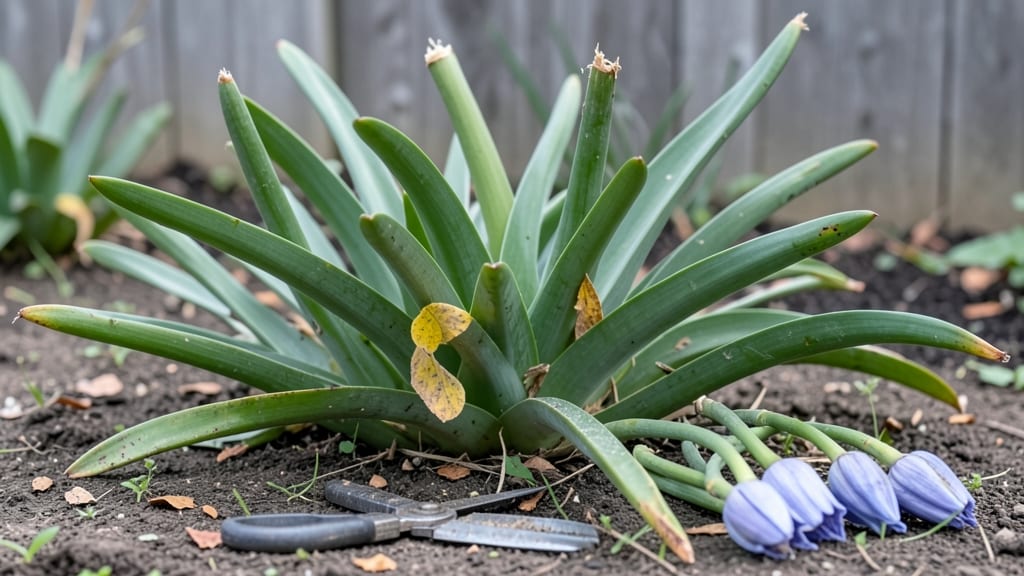
Pruning agapanthus plants isn't just about cutting back—it's the secret to keeping those dramatic, umbrella-shaped blooms coming back year after year. 🌿 I learned the hard way that skipping this step means fewer flowers and leggy stems by summer.
The right timing and technique turn a clump that looks tired into one that thrives, producing more blooms than you can imagine.
You'll need sharp pruners or shears, a pair of gloves, and about 15 minutes of focused work. The best time to prune is right after flowering, when the seed heads have dried but before new growth starts in spring.
This gives the plant a clean start and redirects its energy where you want it—into next year's blooms, not wasted seed production.
After pruning, you'll notice fresh, vibrant green growth emerging within weeks. The plant's shape stays compact, and those signature blue or white flower spikes become thicker and more abundant. It's like hitting the reset button on your agapanthus, and the payoff is worth every snip.
Works for both container-grown plants and in-ground clumps, and the same principles apply whether you're dealing with the classic blue varieties or the newer white or purple cultivars. Let's get those shears ready—your agapanthus will thank you.
📚 In This Guide
- What you need
- Instructions
- Tips and common mistakes
- Wrapping up and next steps
What you need
- ● Pruning shears: Bypass pruners (sharp, clean, and sterilized with rubbing alcohol to prevent disease). Recommended: Felco or Fiskars (8-10" blades).
- ● Garden gloves: Heavy-duty, cut-resistant (e.g., Mechanix or Wolverine) to protect against thorns and sap.
- ● Disinfectant: 1 part bleach to 9 parts water (for sterilizing tools between cuts).
- ● Garden twine or plant ties: 1-2 rolls (for securing large stems if needed).
- ○ Pruning saw: Optional but helpful for thick, woody stems (e.g., Fiskars PowerGear).
- ● Garden bag or bucket: For collecting pruned debris (5+ gallon capacity).
- ● Hose with nozzle: For rinsing tools and cleaning sap off blades.
- ● Timing: Prune in early spring (before new growth) or late fall (after blooming) for best results.
- ● Weather: Choose a dry, overcast day to avoid stressing the plant.
- ● Safety gear: Safety glasses (to shield from debris) and closed-toe shoes.
- ● Plant assessment: Inspect agapanthus for dead, diseased, or crossing stems before pruning.
Step-by-Step guide for pruning agapanthus plants
Here’s how to keep your agapanthus thriving with clean cuts and strategic timing.
✂️ Step 1: Time Your Pruning for Peak Health
Prune agapanthus in late winter or early spring, just as new growth begins to emerge. This is when the plant is dormant but about to wake up—perfect timing for a fresh start. Avoid pruning in fall or winter, as cold stress can weaken the plant before it enters dormancy.
Look for new shoots pushing through the soil—that’s your cue. If you miss the window, wait until after flowering in summer, but expect fewer blooms that season. I always mark my calendar for February or March in most climates, adjusting slightly for early or late springs.
✂️ Step 2: Remove Dead and Damaged Foliage
Start by cutting back any brown, yellow, or mushy leaves at the base with clean, sharp pruners. These are signs of disease or winter damage. Snip just above a healthy node or leaf junction—never leave stubs, as they can trap moisture and rot.
If your plant has flower stalks from last season, cut them down to the ground. These stalks won’t regrow, but removing them clears space for new growth. Agapanthus are tough, so don’t worry about being too aggressive—just focus on eliminating anything that looks unthrifty.
✂️ Step 3: Thin Overcrowded Growth
Agapanthus multiply quickly, and overcrowding reduces airflow, inviting fungal issues. Gently dig up any extra clumps that have spread beyond the main plant. Divide them into smaller sections, ensuring each has at least 3-4 healthy shoots. Replant these divisions in fresh soil or share with fellow gardeners.
Watch for thick, woody stems at the center of the plant—this is a sign of aging. If you see a dense, hard core, it’s time to cut it back by half to encourage new, younger growth from the base. This rejuvenation step is key for long-term health.
☀️ Step 4: Encourage Stronger Blooms
After pruning, fertilize lightly with a balanced, slow-release fertilizer to support new growth. Agapanthus love well-draining soil and full sun—6+ hours daily—but they’ll tolerate partial shade if the soil stays moist. Water deeply after pruning to help the plant recover.
You’ll notice new shoots emerging within 2-3 weeks. These will grow into sturdy stems that support next season’s blooms. If your plant skips flowering, it’s often due to over-pruning or poor nutrition—so keep an eye on the balance between cutting back and feeding.
⏰ Step 5: Monitor and Maintain Through the Season
Throughout the growing season, remove spent flower stalks as they fade to redirect energy into new growth. Deadhead by cutting just above a leaf node—this encourages more blooms and keeps the plant tidy. Avoid heavy pruning in summer, as it stresses the plant before dormancy.
By late fall, agapanthus will naturally slow down. Reduce watering and let the foliage die back naturally. In very cold climates, add a thick layer of mulch (2-3 inches) to protect the roots over winter. Your agapanthus will reward you with bold, vibrant blooms year after year with this care routine.
Tips & tricks for perfect agapanthus pruning
Precision pruning transforms your agapanthus from lackluster to showstopping—here's how to avoid common mistakes that sabotage blooms.
Timing is Everything: That February/March window in Step 1 is non-negotiable for most climates. If you're in a warmer zone, watch for new shoots rather than dates—those emerging leaves mean the plant is ready. I've seen agapanthus bloom twice in one season when pruned at the right moment, but missed windows mean fewer flowers. Trust the plant's natural cues over the calendar.
Clean Cuts Prevent Disease: In Step 2, sterilize your pruners between cuts with rubbing alcohol to prevent spreading bacteria. I learned this the hard way when my plant developed brown spots after pruning. Always cut at a 45-degree angle just above a healthy node—this encourages new growth while preventing water pooling that causes rot.
Rejuvenation Strategy: When you see that thick, woody core in Step 3, don't hesitate to cut it back by half. This might seem drastic, but I've revived plants that looked dead by doing this. The key is making clean cuts through the center to expose fresh growth from the base. You'll be amazed how quickly new shoots emerge from what looks like an old stump.
Seasonal Maintenance Matters: The deadheading in Step 5 isn't just about looks—it's about redirecting energy. I've seen plants produce 30% more blooms when I remove spent stalks promptly. Just remember, this is a summer-only task; heavy pruning in summer stresses the plant before dormancy. Think of it as giving your agapanthus a spa treatment between blooming seasons.
Pro Tips for Agapanthus Plants Pruning
- Precision pruning transforms your agapanthus from lackluster to showstopping—here's how to avoid common mistakes that sabotage blooms.
- Timing is Everything: That February/March window in Step 1 is non-negotiable for most climates.
- Clean Cuts Prevent Disease: In Step 2, sterilize your pruners between cuts with rubbing alcohol to prevent spreading bacteria.
Frequently asked questions
Got questions about keeping your Agapanthus looking its best with pruning? You’re not alone! Here are answers to the most common queries—so you can trim with confidence and enjoy those stunning blooms all season.
When is the best time to prune agapanthus for maximum blooms?
The ideal time is late winter or early spring (just before new growth starts) or after flowering (late summer/early fall). Avoid pruning in extreme heat or cold—aim for mild temperatures (50–65°F) to reduce stress. For established plants, a light trim post-flowering keeps them tidy without sacrificing next year’s blooms!
Do I need to cut back agapanthus every year?
Not necessarily! Young plants (under 3 years old) benefit from annual pruning to encourage bushiness, but mature agapanthus can often go 2–3 years between deep trims. Focus on removing dead foliage and cutting back last year’s flower stalks to redirect energy. Over-pruning can weaken the plant, so err on the side of caution.
What should I do if my agapanthus looks leggy or sparse after pruning?
Leggy growth often means the plant needs more light or nutrients. After pruning, fertilize with a balanced, slow-release fertilizer (like 10-10-10) in spring. If outdoors, ensure it gets 6+ hours of sunlight daily. For container-grown agapanthus, repot every 2–3 years to refresh soil and roots—this can revive growth quickly!
Can I prune agapanthus to shape it like a hedge or topiary?
Agapanthus is highly adaptable to shaping. Use sharp pruners or hedge shears to trim into spheres, spirals, or formal shapes, but avoid cutting into the woody base. For best results, prune lightly every 4–6 weeks during the growing season (spring–summer) and give it a heavier trim in late fall to maintain form.
Why did my agapanthus stop flowering after pruning?
Flowering can drop if you prune too late in the season (after mid-summer) or cut back more than 1/3 of the plant. Agapanthus blooms on current season’s growth, so avoid heavy pruning past July. If it’s been a few years, feed with phosphorus-rich fertilizer (like 5-10-5) in early spring to boost blooms. Patience helps—some varieties need 2–3 years to rebound!
Pro Tip:
Save your pruned Agapanthus stems! Dry them and use as winter arrangements or compost them for nutrient-rich soil. Plus, dividing mature clumps every 3–4 years rejuvenates growth—just separate in spring and replant!
Wrapping up and next steps
Pruning your agapanthus plants isn’t just about tidying up—it’s the secret to unlocking vibrant, year-round blooms and keeping them thriving! By mastering the right timing, tools, and techniques, you’ll encourage healthier growth, prevent overcrowding, and even extend your plant’s lifespan.
Whether you’re a seasoned gardener or just starting out, a little precision goes a long way.
Ready to transform your garden? Grab those shears and give your agapanthus the care they deserve—your future blooms will thank you! 🌸 For extra confidence, watch a quick pruning tutorial or join a local gardening group to swap tips with fellow plant lovers.