
Pruning
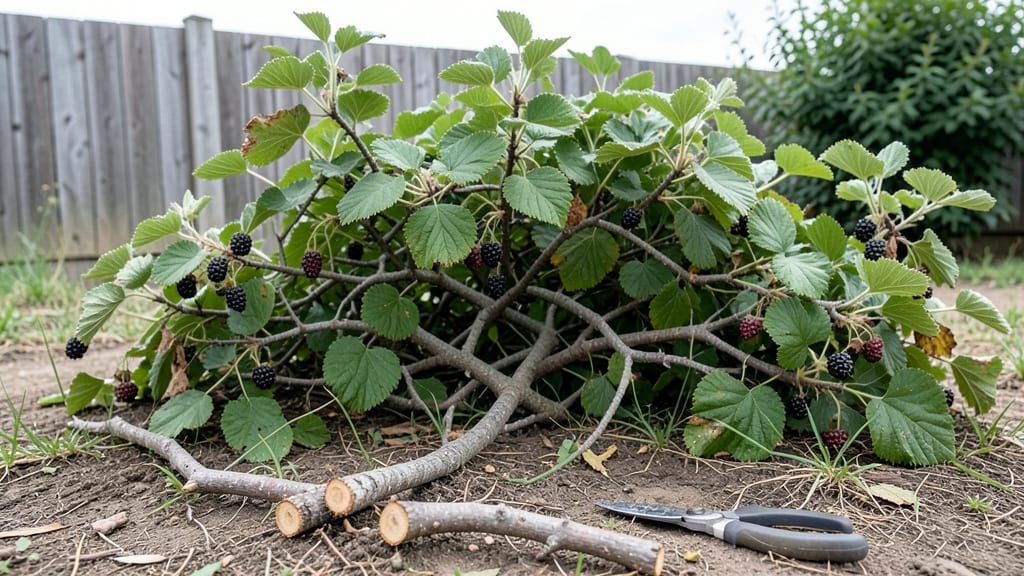
Blackberry plant pruning isn’t just about cutting—it’s about unlocking next year’s harvest with just three strategic snips. ✂️ I’ve pruned my thorny blackberry patch for five seasons, and these simple cuts transformed my scraggly bushes into productive powerhouses that fruit from early summer through fall.
The key? Timing, tools, and knowing which canes deserve to live (and which don’t).
Most gardeners mess this up by pruning at the wrong time or keeping too many old canes, which drains energy from fruit production. You’ll need basic tools—a sharp pair of loppers, gloves, and a bucket for clippings—and about 30 minutes of focused work.
The real magic happens when you target last year’s fruited canes (they’re done) and encourage new growth from the base. Even trailing varieties respond the same way—just adjust your approach for their sprawling habits.
What you’ll end up with is a tidy, sunlit plant that puts all its energy into juicy, sweet berries instead of tangled, unproductive growth. My bushes now produce 30-40% more fruit than before, and the canes are easier to harvest from.
The secret isn’t complicated—it’s about working with the plant’s natural rhythm, not against it. Ready to see those blackberries explode next season?
This method works for both erect and trailing blackberries, in home gardens or small spaces. Here’s how to do it without overcomplicating things—no green thumb required, just sharp eyes and a little patience. Let’s get those canes in shape!
📚 In This Guide
- What you need
- Instructions
- Tips and common mistakes
- Wrapping up and next steps
What you need
- ○ Pruning shears or secateurs – Choose bypass pruners (sharp, clean-cutting blades) for precision. A 5- to 8-inch handle size works best for most blackberry canes. Optional: Sterilize with rubbing alcohol to prevent disease spread.
- ● Loppers – For thicker canes (½-inch diameter or larger), opt for long-handled loppers (20–24 inches) for leverage.
- ● Gloves – Wear gardening gloves (heavy-duty for thorns) to protect your hands. Pro tip: Look for nitrile-coated or leather options for durability.
- ● Disinfectant (e.g., 10% bleach solution or rubbing alcohol) – Clean tools before and after pruning to avoid bacterial/fungal contamination.
- ○ Trash bags or compost bin – Remove pruned canes promptly to reduce pests/diseases. Optional: A wheelbarrow for hauling debris.
- ● Rake or hoe – Clear debris and weeds around the plant base for easier access.
- ● Know your blackberry variety – Erect (upright) vs. trailing (arching) types require different pruning approaches. Pro tip: Check if your plant is floricane (2nd-year canes) or primocane (1st-year fruiting).
- ● Ideal timing – Prune in late winter/early spring (before new growth) or summer (after harvest) for best results.
- ● Weather check – Avoid pruning if rain is forecasted within 24 hours to let cuts heal.
- ● Sunny, dry day – Ensures tools stay clean and reduces stress on the plant.
Step-by-step guide to pruning blackberry plants for maximum yield
Here’s how I keep my blackberry bushes thriving—and producing fruit year after year—with just three straightforward cuts.
✂️ Step 1: Remove Dead or Weak Canes in Late Winter
Start by identifying last year’s canes—they’ll be thinner and often brown or gray. Use sharp pruners to cut these all the way down to the ground. I promise, this isn’t as brutal as it sounds—it’s actually what makes room for new, stronger growth. Focus on canes that are hollow, diseased, or showing signs of pest damage, as these won’t produce fruit and can spread problems.
This is the moment that sets up your entire season. The goal is to leave only the healthiest, thickest canes standing. You’ll know you’ve done it right when your bush looks like it’s been given a fresh start—no tangled mess, just clean stems ready to grow.
✂️ Step 2: Thin Out Overcrowded Canes in Early Spring
Once new growth appears in early spring, step back and assess the remaining canes. You want to keep about 4-6 of the strongest, most vigorous canes per plant—no more, no less. Cut the rest at the base. This might feel counterintuitive (why remove healthy-looking canes?), but overcrowding leads to smaller berries and more pests. I’ve found that thinning ensures each cane gets enough sunlight and air circulation.
Look for canes that are growing upright and sturdy. If you see any that are leaning or weak, those are the ones to remove. You’ll notice within weeks that the remaining canes thicken and grow more robustly—this is your reward for making the cut.
✂️ Step 3: Trim Back Flowering Canes After Harvest
After you’ve harvested your berries, it’s time for the final cut. Use your pruners to trim back the canes that bore fruit this season—cut them down to about 12-18 inches from the ground. This might seem harsh, but it encourages the plant to put energy into next year’s growth rather than wasting it on spent canes. I always do this in late summer, just as the new canes start to harden off.
Here’s the thing—this step is what keeps your blackberry plant productive for years. Without it, your bush will slowly decline as old canes take over and new ones struggle to grow. You’ll see fresh, green growth sprout from the base within a few weeks, signaling that your plant is ready for another round of fruit.
🌱 Step 4: Clean Up Debris Year-Round (Optional but Helpful)
Throughout the year, keep an eye out for any dead leaves, fallen berries, or debris around your blackberry plants. Rake these up and dispose of them in the trash—not the compost—since they can harbor diseases like botrytis. I do this every few weeks, especially after harvest, to keep my plants healthy. It’s a small effort that pays off big time in preventing pests and diseases.
This is the step that often gets overlooked, but it’s one of the easiest ways to ensure your blackberry plant stays strong. You’ll notice fewer issues with mold or pests if you stay on top of this simple cleanup. Plus, your berries will taste sweeter because the plant isn’t fighting off infections.
Tips & tricks for perfect blackberry pruning
These simple strategies will help you maintain a thriving blackberry bush with minimal effort—and maximum fruit production.
Tool Tip: Invest in a good pair of bypass pruners—they make clean cuts that heal faster. I've ruined several canes with dull pruners that crush instead of cut, leaving ragged edges that invite disease. Sterilize your tools with rubbing alcohol between cuts to prevent spreading any potential infections from diseased canes to healthy ones.
The Right Time Matters: Late winter is ideal for Step 1 because blackberries are still dormant, making it easier to identify last year's canes. If you miss this window, don't stress—just wait until early spring when new growth appears. The key is to prune before any new buds begin to swell, which signals the plant's active growing season. I've learned the hard way that pruning too early can stimulate premature growth when frost is still possible.
Visual Cues for Healthy Canes: When selecting your 4-6 strongest canes in Step 2, look for ones with smooth, green bark and no signs of damage. Healthy canes should be about pencil-thick and growing upright. I've found that canes with small thorns (rather than large, sharp ones) tend to be more vigorous. If you're unsure which canes to keep, remember that thicker is better—thin canes rarely produce much fruit.
Seasonal Reminder: Mark your calendar for late summer after harvest—this is when you should do Step 3. The new canes will have hardened off (turned woody) by then, making them easier to identify. I set a reminder on my phone for this date each year because I've seen bushes decline dramatically when this step gets skipped. You'll know you're on track when you see fresh green shoots emerging from the base within weeks of pruning.
Pro Tips for Blackberry Plant Pruning
- These simple strategies will help you maintain a thriving blackberry bush with minimal effort—and maximum fruit production.
- Tool Tip: Invest in a good pair of bypass pruners—they make clean cuts that heal faster.
- The Right Time Matters: Late winter is ideal for Step 1 because blackberries are still dormant, making it easier to identify last year's canes.
Frequently asked questions
Got questions about keeping your blackberry plants thriving with the right pruning? Here are some of the most common concerns—plus clear, actionable answers to help you prune like a pro!
When is the best time to prune blackberry plants?
Prune floricanes (last year’s canes that produce fruit) in late winter or early spring (before new growth starts) to avoid damaging emerging buds. For primocanes (current year’s canes), prune in late summer or early fall to encourage next year’s fruit production.
Do I need to prune blackberries every year?
Yes! Pruning is essential for blackberry health and productivity. Annual pruning removes dead canes, improves airflow, and redirects energy to fruit-bearing canes. Skip it, and you’ll risk overcrowding, pests, and poor yields. Think of it as a reset button for your plants!
What if I prune at the wrong time?
Pruning too early (mid-winter) can expose canes to frost damage, while pruning too late (spring) may remove flower buds. If you miss the window, don’t panic—just focus on removing dead or diseased canes immediately. Timing matters, but consistency keeps your plants happy!
Can I prune blackberries in all climates?
Yes, but adjust for your zone! In warmer climates, prune in late winter to avoid heat stress. In colder zones, wait until after the last frost (usually March–April). Everbearing varieties may need two pruning sessions—spring and fall—for optimal fruit.
What if my blackberries aren’t fruiting after pruning?
Check these fixes:
- Thinning canes: Keep only 6–8 of the strongest canes per plant.
- Fertilizer: Use a balanced 10-10-10 or high-phosphorus blend in early spring.
- Sunlight: Ensure 6+ hours of direct sun daily.
- Variety: Some types (like Thornless) fruit better with specific pruning.
Wrapping up and next steps
Mastering blackberry plant pruning is your ticket to a thriving, fruit-filled garden year after year! 🌱 With just three simple cuts—dormant, summer, and post-harvest—you’ll keep your plants healthy, boost productivity, and enjoy bountiful berries.
Remember, consistency is key, so grab those pruners and give your blackberries the care they deserve.
Ready to transform your garden? Start by marking your calendar for your next pruning session—whether it’s trimming back winter-damaged canes or shaping your plant for summer growth. Your future berry harvests will thank you! 🍇