
Fertilization
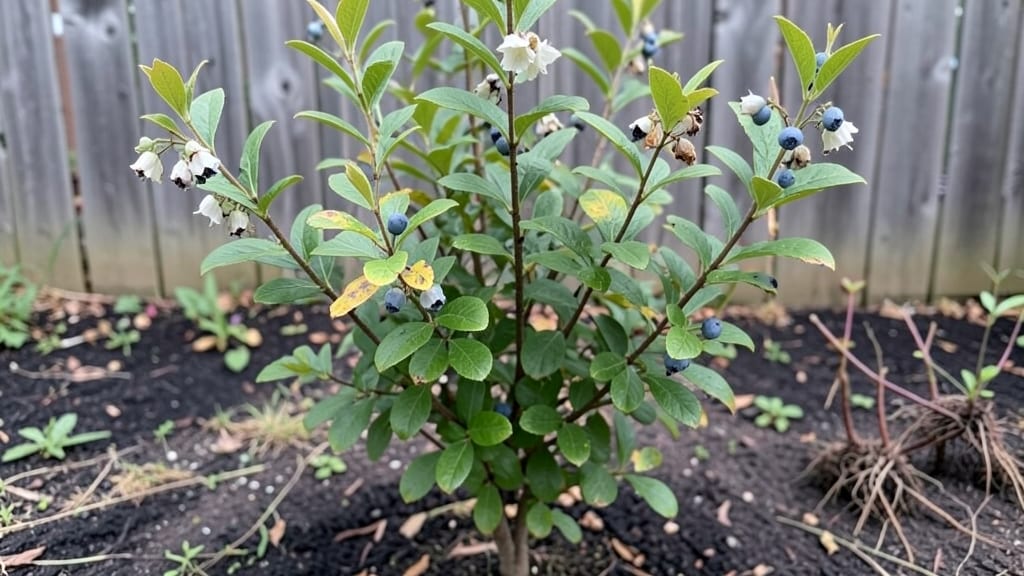
Mastering blueberry planting conditions is the difference between a bush full of tart berries and one that barely survives. 🫐
You’ve watered faithfully, but your blueberries still taste like nothing. The issue isn’t your green thumb—it’s the soil pH, sunlight, and spacing you’ve overlooked. These bushes are picky, and getting them wrong means years of disappointment instead of juicy harvests.
Here’s the truth: Blueberries thrive in acidic soil (pH 4.5–5.5), need 6–10 hours of sun daily, and demand space to breathe. Whether you’re planting in-ground or containers, these conditions are non-negotiable for healthy growth and fruit production.
Below, I’ll break down the exact soil prep, sunlight rules, and spacing tricks that turn struggling bushes into fruit-loaded powerhouses—no guesswork required.


The critical soil pH range for blueberry bushes (and how to test it)
Blueberries are famously picky about their soil—they absolutely refuse to thrive in anything but acidic conditions. The ideal soil pH range for blueberries is 4.5 to 5.5, mimicking the natural boggy, acidic environments where they evolved.
When your soil strays outside this range—especially toward alkaline (high pH)—your bushes will struggle to absorb iron and phosphorus, leading to yellow leaves, stunted growth, and zero fruit production. Even if you’re giving them perfect sunlight and water, wrong pH will sabotage everything.
Testing your soil’s pH is the first step to blueberry success, and it’s easier than you think. You can grab a home soil test kit (around $15) from garden centers or send a sample to your local cooperative extension service for professional analysis.
For quick results, use a digital pH meter—just insert the probe into moist soil, and it’ll give you a reading in seconds. If your pH is above 5.5, don’t panic: we’ll cover how to fix it in the next steps.
Here’s why pH matters so much: blueberries rely on acid-loving nutrients like iron and manganese, which become locked up in alkaline soil. A pH of 6.0 or higher means your plants can’t access these critical nutrients, even if they’re present in the soil.
This deficiency shows up as yellowing leaves between veins (a classic sign of iron chlorosis) or small, sour berries that never ripen properly. Worse, alkaline soil encourages fungal diseases that weakens roots, making your bushes more susceptible to stress.
Before diving into fixes, let’s compare your options for adjusting soil pH. The method you choose depends on whether you prefer organic or synthetic approaches, your budget, and how quickly you need results.
Below, we break down the pros and cons of each, so you can pick what works best for your garden.
| Method | How It Works | Time to Lower pH | Cost (Per 10 sq ft) | Best For |
|---|---|---|---|---|
| Elemental Sulfur | Converts to sulfuric acid in soil, slowly lowering pH over months. | 3–6 months | $5–$10 | Large gardens, long-term fixes, synthetic-friendly growers. |
| Aluminum Sulfate | Fast-acting, dissolves quickly to acidify soil within weeks. | 2–4 weeks | $8–$15 | Urgent fixes, small gardens, synthetic solutions. |
| Peat Moss | Organic matter that naturally acidifies as it breaks down; improves soil structure. | 6–12 months | $10–$20 | Organic gardens, container plants, long-term soil health. |
| Pine Needles/Finely Ground | Natural mulch that slowly acidifies soil; doubles as mulch. | 6–12 months | $5–$12 | Eco-friendly gardens, mulch lovers, low-maintenance solutions. |
| Cottonseed Meal | Organic fertilizer that acidifies soil while adding nitrogen; great for established plants. | 3–6 months | $15–$25 | Organic growers, nitrogen-loving plants, established bushes. |
If your soil test reveals a pH above 5.5, act fast—but don’t overcorrect. The goal is to lower pH gradually, aiming for 4.8–5.2 (the sweet spot for most blueberry varieties).
Start by removing any existing lime or wood ash from your garden, as these raise pH. Then, choose your amendment based on the table above. For fast results, aluminum sulfate works in weeks, while peat moss or pine needles are better for long-term, organic adjustments.
Always apply amendments in small batches—too much sulfur or aluminum sulfate can kill beneficial microbes and harm roots.
Pro tip: Mix amendments into the top 6–12 inches of soil where roots are active. Water the area thoroughly after applying, and retest pH in 3 months to avoid overshooting. If you’re planting in containers, use a pre-mixed acidic potting soil
Sunlight requirements for blueberries: how much light do they Really Need?
Blueberries are often misunderstood as adaptable to partial shade, but the truth is far simpler: these bushes crave full sun exposure to thrive. While they can tolerate 4–6 hours of light in cooler climates, anything less than 6–10 hours daily will stunt growth and slash your harvest.
Even morning sun with afternoon shade can leave your bushes struggling, especially in hotter zones where afternoon rays intensify.
I’ve seen gardeners swear by "dappled shade" for blueberries, but those same plants often produce small, tart berries or fail to fruit altogether. The key is direct sunlight, not filtered light.
Without it, your bushes will focus energy on leaf growth instead of flowering and fruiting, leaving you with a decorative shrub instead of a productive one. Let’s clear up the confusion with the hard facts.
🌱 Blueberry Sunlight Highlights
- 6–10 hours of direct sunlight = optimal growth and fruiting.
- 4–6 hours in cooler climates (Zone 3–5) may work but reduces yield.
- Less than 4 hours = poor flowering, small berries, or no fruit at all.
- Afternoon shade in hot zones (Zone 7+) can prevent leaf scorch.
- Yellow leaves or red stems = too much sun; pale leaves = too little.
Urban gardeners often face challenges with space and sunlight. If your yard only offers partial shade, consider container growing near a south-facing wall or balcony railing. A 5-gallon pot can work if placed in full sun for at least 6 hours, but avoid dark corners or north-facing spots.
Even then, supplement with a grow light for 4–6 hours daily if natural light falls short.
Watch for warning signs of sunlight stress. Yellowing leaves on new growth often signal under-exposure, while crispy edges or bleached foliage mean your bushes are overheating. In extreme cases, poor sunlight can lead to no berries at all, even if your bushes look healthy.
I’ve had to prune back overzealous shade-loving plants in my garden just to give blueberries the light they desperately need.
For maximum yield, position your blueberries where they’ll get morning sun and afternoon shade in hot climates. This mimics their native woodland edges, where they receive dappled light but still thrive.
Mulch heavily with pine needles or wood chips to retain moisture and protect roots from temperature swings. Combine this with regular pruning to open the canopy for better light penetration.
Remember, blueberries aren’t just about sunlight—they’re about balance. Pair their 6–10 hours of sun with acidic soil and consistent watering, and you’ll transform a struggling bush into a fruit-producing powerhouse. The payoff? Juicy, sweet berries that make every hour of sunlight worth it. ☀️🫐