
Diseases
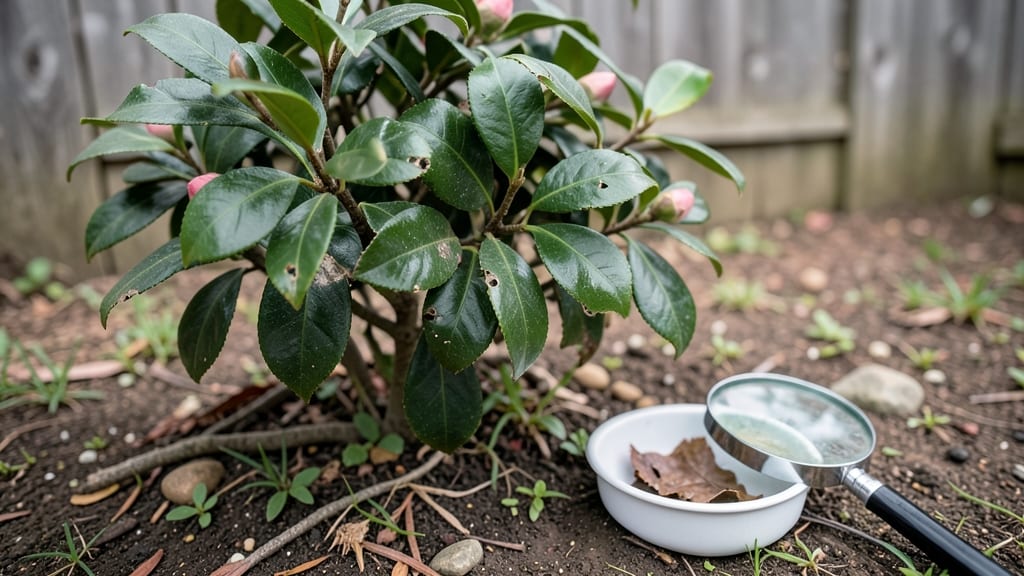
Camellia plant diseases can turn those velvety blooms into sad, spotted messes if you don’t catch them early. ✨ I’ve lost count of how many times I nearly gave up on my camellias because I didn’t recognize the warning signs—until I learned to spot the subtle changes in leaves and stems.
The good news? Most issues respond well when you act fast, and prevention is simpler than you think.
Petal blight, leaf spot, and dieback are the usual culprits, each leaving its own fingerprint on your plant. Fungal infections often start as tiny brown spots that spread like ink in water, while bacterial dieback causes stems to ooze and weaken.
The key is checking your camellias every two weeks during wet seasons—especially after rain or overhead watering. A quick wipe-down with neem oil can stop many problems before they start.
You’ll keep those glossy leaves and abundant blooms thriving with a few simple habits: proper spacing for airflow, avoiding wet foliage, and removing infected parts immediately. My own camellias now produce healthier blooms year after year because I act at the first sign of trouble.
The secret isn’t complicated—it’s consistency and knowing what to look for.
This guide covers the most common diseases, their telltale signs, and how to treat them—whether you prefer organic sprays or targeted fungicides. By the end, you’ll spot issues before they ruin your plant’s beauty, and your camellias will reward you with bold, disease-free blooms for seasons to come.
Root Causes Behind Camellia Struggles
Understanding why your camellia plants develop diseases is the first step in prevention. These stunning evergreens are susceptible to a range of issues due to their delicate balance of environmental needs, genetic vulnerabilities, and microbial interactions.
Let’s break down the key factors that create the perfect storm for camellia plant diseases.
Camellias thrive in humid, slightly acidic soil with partial shade, but deviations from these ideal conditions can trigger stress—making them prime targets for pathogens.
- Excessive Moisture or Poor Drainage Camellias dislike soggy roots, which create the perfect breeding ground for fungal diseases like Phytophthora (root rot) and Fusarium.
Waterlogged soil cuts off oxygen, weakening roots and inviting microbial invaders. 💡 Pro Tip: Amend heavy clay soil with organic matter (compost, pine bark) to improve drainage. Ensure pots have drainage holes, and avoid overwatering—especially in winter when growth slows.
- Extreme Temperature Shifts Sudden cold snaps or heatwaves stress camellias, lowering their natural defenses. Bacterial blight (Pseudomonas) and anthracnose (a fungal disease) exploit this weakened state, entering through wounds or leaf tissue. ✨ Actionable Fix: Mulch with pine needles or wood chips to insulate roots and protect against temperature swings.
Avoid late-season fertilizers that promote tender new growth before frost.
- High Humidity Without Airflow While camellias love humidity, stagnant air (like in dense foliage or greenhouses) traps moisture on leaves, promoting powdery mildew and brown blight. Fungal spores thrive in these damp conditions. 🌡️ Solution: Space plants 3–5 feet apart for airflow.
Prune to improve circulation, and avoid overhead watering—opt for drip irrigation or soaker hoses instead.
Diseases don’t just appear—they’re spread by fungi, bacteria, and viruses, often introduced through contaminated tools, infected plants, or even wildlife.
- Fungal Spores in the Air or Soil Pathogens like Colletotrichum (causing brown blight) and Guignardia (linked to anthracnose) lie dormant in soil or on old plant debris.
When conditions are right (warm, wet), they germinate and infect through stomata (leaf pores) or wounds. 🔥 Prevention: Sterilize pruners with rubbing alcohol between cuts. Remove and dispose of infected leaves (don’t compost them!). Apply copper fungicide preventatively in spring before blooms appear.
- Bacterial Hitchhikers Bacteria like Xanthomonas (causing bacterial blight) spread via rain splash, wind, or contaminated water. They enter through leaf wounds, lenticels (pores on stems), or natural openings. 👨🍳 Best Practice: Avoid wetting foliage when watering.
Use fixed copper spray as a preventive barrier, especially after storms or heavy rain.
- Viruses from Infected Plants or Vectors Viruses (e.g., camellia chlorotic dwarf virus) are often spread by aphids, whiteflies, or contaminated grafting tools.
Once infected, a plant may show mosaic patterns, stunted growth, or deformed flowers—with no cure. 🛡️ Defense Strategy: Inspect new plants for symptoms before purchasing. Quarantine new additions for 2–3 weeks. Control pest vectors with neem oil or insecticidal soap.
Even the hardiest camellias suffer when basic care rules are ignored. These oversights create entry points for diseases and weaken the plant’s resilience.
- Over-Fertilizing or Nutrient Imbalances Too much nitrogen (common in fast-release fertilizers) leads to soft, susceptible growth that attracts pests and pathogens. Magnesium or iron deficiencies (yellowing leaves) also stress plants, making them vulnerable. 📊 Fix It: Use a balanced, slow-release fertilizer (e.g., 10-10-10) in early spring.
Test soil pH—camellias prefer 5.0–6.0. Add chelated iron if leaves yellow between veins.
- Physical Damage from Pruning or Pests Ragged cuts, torn leaves, or sap-sucking insects (like scale or spider mites) create open wounds where bacteria and fungi can enter.
Poor pruning technique (cutting too close to buds) also invites decay. 🔪 Correct Technique: Prune with clean, sharp tools at a 45-degree angle just above a bud. Seal large cuts with pruning sealant if needed. Monitor for pests—horticultural oil can smother eggs and larvae.
- Ignoring Early Warning Signs Many camellia diseases start with subtle symptoms (e.g., water-soaked spots, discolored veins, or wilting).
Delaying action allows pathogens to spread systemically. 🎯 Early Detection Tips: - Inspect leaves weekly for spots, lesions, or unusual patterns. - Check undersides of leaves (a hotspot for fungal spores). - Isolate suspicious plants until diagnosed to prevent spread.
Understanding these root causes empowers you to adjust care routines, create hostile conditions for pathogens, and keep your camellias thriving. The key? Proactive monitoring and precise interventions—before diseases take hold.
Quick Fixes for Camellia Ailments
Reviving your camellia’s health starts with targeted action—whether it’s a fungal infection, pest invasion, or environmental stress. Below, we map the most common camellia plant diseases to practical fixes, plus prevention tips to keep your blooms thriving. Think of this as your emergency repair kit for camellias!
Fungal diseases thrive in damp, shady conditions, but they’re beatable with the right moves.
🔥 Treat Powdery Mildew
Cause: White, powdery patches on leaves (usually from poor airflow or overhead watering). Fix:
- Prune for airflow: 🌿 Trim dense branches to improve circulation—aim for 20–30% more space between stems.
- Fungicide spray: 🛡️ Apply neem oil (1 tbsp per quart of water) or baking soda mix (1 tsp baking soda + 1 tsp soap + 1 gallon water) every 7–10 days until gone.
- Morning watering: 💧 Switch to drip irrigation or water at soil level (never overhead) to keep leaves dry.
Prevention: ✨ Space plants 3–4 feet apart to reduce humidity buildup. ✨ Clean up debris after blooms fall—fungi love old petals!
🍳 Stop Leaf Spot in Its Tracks
Cause: Dark, crinkled spots with yellow halos (from splashing water or wet foliage). Fix:
- Remove infected leaves: 🗑️ Snip off spotted leaves (don’t compost them!) and destroy them.
- Copper fungicide: 🛡️ Spray copper-based fungicide (like Bonide Copper Fungicide) every 2 weeks for 2 months.
- Adjust watering: ⏰ Water early in the day so leaves dry by evening.
Prevention: 💡 Raise the canopy—use a trellis or stakes to lift branches and improve airflow.
👨🍳 Save Flowers from Petal Blight
Cause: Brown, mushy petals before they open (common in humid climates). Fix:
- Pre-bloom spray: 🌸 Treat with potassium bicarbonate (2 tbsp per gallon of water) before buds form.
- Thin out blooms: 🌺 Remove overcrowded buds to reduce moisture trapping.
- Post-bloom cleanup: 🧹 Rake up fallen petals immediately to prevent spore spread.
Prevention: 🌡️ Avoid late-season fertilization—too much nitrogen = softer, more susceptible petals.
Tiny invaders drain your camellia’s energy—here’s how to evict them.
🔪 Blast Scale and Mealybugs
Cause: Sticky residue (honeydew) and white/crusty bumps on stems. Fix:
- Scrape them off: 🧼 Use a soft toothbrush dipped in rubbing alcohol (70% isopropyl) to wipe colonies.
- Horticultural oil: 🛡️ Spray dormant oil (like Safer® Brand Oil Spray) in early spring or fall when pests are dormant.
- Ladybugs to the rescue: 🐞 Release beneficial insects (like ladybugs or lacewings) for natural control.
Prevention: ✨ Inspect new plants before bringing them home—quarantine for 2 weeks!
🕷️ Tame Spider Mites
Cause: Tiny webs, yellow stippling on leaves (dry conditions trigger them). Fix:
- Blast with water: 💦 Spray leaves daily with water to dislodge mites (they hate humidity!).
- Neem oil spray: 🌿 Mix 1% neem oil (1 tbsp per quart of water) and spray both sides of leaves.
- Reflect sunlight: 🔆 Place white reflective mulch around the base to deter mites.
Prevention: 🎯 Mulch with straw to retain soil moisture—mites thrive in drought.
Sometimes the problem isn’t a pathogen—it’s the weather!
🍎 Fix Bud Blast (Sudden Flower Drop)
Cause: Buds drop just before opening due to temperature swings (e.g., warm days, cold nights). Fix:
- Protect with frost cloth: ❄️ Cover plants at night if temps drop below 40°F (4°C).
- Mulch heavily: 🌿 Add 4–6 inches of mulch (pine straw or wood chips) around the base for insulation.
- Avoid late pruning: ⏰ Stop pruning 6 weeks before first frost—new growth is more vulnerable.
Prevention: 🌡️ Choose cold-hardy varieties like Camellia sasanqua for milder climates.
🔥 Heal Winter Burn
Cause: Brown, crispy edges on leaves from winter sun + wind. Fix:
- Prune damaged leaves: ✂️ Trim only dead tissue—healthy green underneath will regrow.
- Windbreaks: 🌳 Plant a hedge or fence on the windy side to shield leaves.
- Morning sun only: ☀️ If possible, relocate to partial shade during harsh winters.
Prevention: 💡 Water deeply before winter to plump up cells against freeze-thaw cycles.
- Boost immunity: 💪 Feed with balanced fertilizer (10-10-10) in early spring to strengthen growth.
- Test your soil: 📊 Use a pH test kit—camellias prefer acidic soil (pH 5.5–6.5). Amend with sulfur if needed.
- Rotate treatments: 🔄 Avoid using the same fungicide/pesticide repeatedly—pests/fungi build resistance.
Remember: Early action is key! The moment you spot powdery residue, sticky leaves, or wilting buds, act fast. With these fixes, your camellia will bounce back—and next season, it’ll bloom even more beautifully. 🌸
Frequently asked questions
What are the most common signs of fungal infections in camellias?
Look for powdery white residue (powdery mildew), dark spots with yellow halos (leaf spot), or mushy brown petals (petal blight). Fungal spores thrive in damp conditions, so check undersides of leaves and stems first. Early symptoms often appear as tiny specks before spreading like ink in water.
Can I use household items to treat bacterial blight on my camellia?
Yes! Mix 1 teaspoon baking soda + 1 teaspoon horticultural oil + 1 quart of water in a spray bottle for a mild preventive treatment. For active infections, apply copper fungicide (like Bonide) every 2 weeks. Always spray both leaf surfaces and avoid wetting flowers. This DIY spray works best when used before symptoms appear.
Why do my camellia leaves turn brown and crispy in winter?
This is likely winter burn, caused by dry winter air + wind exposure. Protect plants by adding 4-6 inches of mulch and placing a windbreak (like a hedge) on exposed sides. Water deeply before winter to help leaves retain moisture. Prune only dead tissue—healthy green underneath will regrow in spring.
How do I prevent diseases from spreading to healthy camellias?
Start by sterilizing pruners with rubbing alcohol between cuts. Remove and destroy infected leaves (don’t compost them). Space plants 3-5 feet apart for airflow, and avoid overhead watering. Quarantine new plants for 2-3 weeks before adding them to your garden. These steps break the disease cycle before it starts.
What’s the best time of year to treat camellia diseases?
Apply preventative sprays in early spring (before buds form) and late fall (after blooms drop). Fungal spores overwinter in debris, so clean up fallen petals and leaves. For bacterial issues, treat immediately after rain when spores spread most easily. Timing is everything—don’t wait until you see symptoms!