
Plants
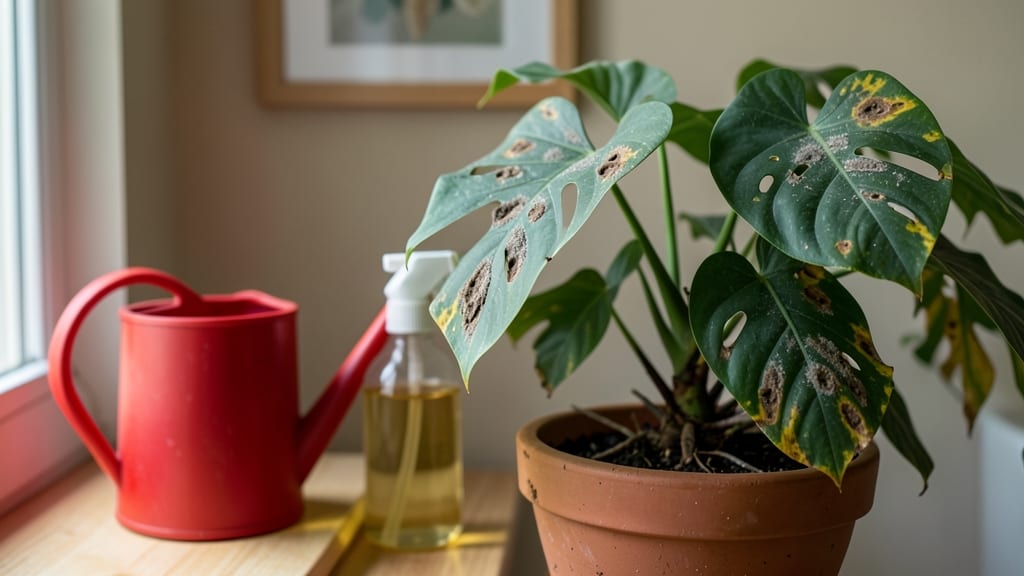
House plant fungus turns your leafy green friends into sad, droopy messes—unless you catch it early and act fast. 🌿 I’ve nursed back more plants than I’d like to admit by treating the fungus without killing the roots or soil, and the key is knowing exactly what to do (and what not to do) the moment you spot those first suspicious spots.
The culprits are usually Fusarium wilt or Botrytis blight, both thriving in damp, stagnant air or overwatered pots. The good news? You can often save your plant by pruning infected leaves, boosting airflow, and using organic fixes like neem oil or diluted hydrogen peroxide—no harsh chemicals needed.
The bad news? Waiting too long turns a quick fix into a full plant loss.
Start with a clean pair of scissors, snip away the fuzzy or discolored parts, and let the plant dry out between waterings. Within days, you’ll see fresh growth pushing through, and your plant will be back to its lush, happy self.
The secret is acting before the fungus spreads beyond the leaves.
Works for ferns, monstera, and even your finicky snake plants—just adjust the treatment based on how bad it’s gotten. Let’s get your plants back to thriving without the guilt of overkill.
Root Causes Of Plant Fungus
Fungal infections in houseplants aren’t random—they thrive when specific conditions align. Understanding the why behind these issues helps you prevent them before they spread. Below, we break down the key triggers, from environmental factors to plant stress, so you can address them effectively.
Fungi love moisture—it’s their lifeblood. When humidity levels stay consistently high (above 60%) or soil remains soggy for extended periods, fungal spores germinate and multiply. Common culprits include:
- Poor drainage: Pots without drainage holes trap excess water, creating anaerobic (oxygen-deprived) soil where fungi like Phytophthora or Pythium flourish.
- Overwatering: Watering on a schedule rather than checking soil moisture leads to waterlogged roots. Pro tip: Stick your finger 1–2 inches into the soil—if it’s damp, wait.
- Humid climates or terrariums: Closed environments (like glass containers) trap humidity, accelerating fungal growth. Solution: Use a hygrometer to monitor levels and ventilate occasionally.
💡 Actionable fix: Repot in well-draining soil (like a mix of perlite, orchid bark, and coco coir) and water only when the top inch of soil is dry.
Stagnant air creates the perfect breeding ground for fungi. Without airflow, spores settle on leaves and soil, and excess moisture lingers. Look for these red flags:
- Crowded plants: Placing plants too close together blocks airflow and increases humidity.
- Dense foliage: Bushy plants (like ferns or monstera) trap moisture in their centers.
- No fans or ventilation: Still air in corners or under shelves encourages fungal spores to thrive.
🌡️ Science note: Fungi spread via spores, which float in still air. A gentle breeze (from a fan or open window) disrupts this process.
💡 Actionable fix: Space plants 2–3 inches apart, prune overgrowth, and use a small fan on low speed near infected plants.
Plants under stress—whether from pests, transplant shock, or nutrient deficiencies—produce wounds that fungi exploit. Common stressors include:
- Physical damage: Pruning cuts, broken leaves, or insect bites create entry points for pathogens like Botrytis (gray mold).
- Nutrient deficiencies: Yellowing leaves (chlorosis) or stunted growth weaken the plant’s immune response.
- Temperature shocks: Sudden drafts (from AC or heaters) or cold windowsills stress plants, making them vulnerable.
✨ Pro tip: Healthy plants resist fungi better. Fertilize lightly with a balanced formula (like 10-10-10) and avoid overfeeding, which burns roots.
Fungal spores are everywhere—on old soil, gardening tools, or even potting mixes. If you’ve reused containers or tools without sterilizing them, you’ve likely introduced pathogens. Watch for:
- Reused potting soil: Old soil may harbor dormant fungal spores that reactivate when rewetted.
- Unclean pruners or trowels: Tools carry fungi from infected plants to healthy ones.
- Infested compost or mulch: Homemade compost that’s too wet can breed fungi like Rhizoctonia.
🔥 Actionable fix: Sterilize tools with rubbing alcohol, and repot in fresh, sterile soil. For compost, ensure it’s well-aerated and turned regularly.
By tackling these root causes, you’ll disrupt the conditions fungi need to thrive. Next, we’ll cover how to safely remove fungus without harming your plant’s roots or soil.
Quick Fixes for Fungal Issues
Fungal infections in houseplants can feel like a silent enemy—until it’s too late. But don’t panic! With the right approach, you can save your plants without sacrificing their roots or soil.
Below, we break down the most common causes of fungal growth and offer practical, step-by-step solutions to restore your greenery to its healthy glow.
Cause: Soggy soil creates the perfect breeding ground for fungus, leading to root rot, powdery mildew, or black spots.
How to Fix It: 🔥 Step 1: Assess the Damage
- Gently remove the plant from its pot and inspect the roots. Healthy roots are firm and white; mushy, brown, or black roots are infected.
- If the roots smell foul, fungus is likely the culprit.
🍳 Step 2: Trim the Affected Areas
- Use sterilized scissors or pruners (wipe with rubbing alcohol) to snip away all blackened or soft roots.
- For foliage, cut off yellowed or spotted leaves—don’t leave them behind, as they can reinfect the plant.
👨🍳 Step 3: Refresh the Soil & Pot
- Rinse the roots under lukewarm water to remove old soil and fungal spores.
- Repot in fresh, well-draining soil (mix in perlite or sand for aeration) and use a clean pot (sterilize with boiling water if reused).
🥘 Step 4: Adjust Your Watering Habits
- Let the top 1–2 inches of soil dry out before watering again.
- Water at the base (not overhead) to prevent fungal spores from splashing onto leaves.
- Ensure pots have drainage holes—no exceptions!
💡 Prevention Tip:
- Use a moisture meter to track soil dampness.
- Consider self-watering pots with saucers to prevent overwatering.
Cause: Fungal spores thrive in damp, still air, leading to powdery mildew (white, powdery patches) or leaf spot fungus (dark, crusty lesions).
How to Fix It: 🌡️ Step 1: Increase Airflow
- Move the plant to a brighter spot with indirect light (but avoid harsh sun).
- Use a small fan (on low) near the plant to improve circulation—just 1–2 hours daily helps.
🎯 Step 2: Treat the Fungus - Neem oil spray (1 tsp neem oil + 1 tsp mild soap + 1 quart water) – Spray both sides of leaves and stems.
Reapply every 5–7 days until cleared. - Baking soda solution (1 tsp baking soda + 1 quart water + a drop of dish soap) – Spray lightly (test on one leaf first).
🔥 Step 3: Isolate & Quarantine
- Keep infected plants away from healthy ones until fully recovered.
- Wipe down nearby surfaces (shelves, tables) with 70% isopropyl alcohol to kill spores.
✨ Prevention Tip:
- Wipe leaves with a damp cloth weekly to remove dust and reduce humidity buildup.
- Group plants together but space them out (3–6 inches apart) for better airflow.
Cause: Infestations like aphids, mealybugs, or thrips damage plant tissue, creating entry points for fungal infections.
How to Fix It: 🔪 Step 1: Remove Pests Manually
- Use a cotton swab dipped in rubbing alcohol to wipe off visible bugs.
- For stubborn pests, spray with insecticidal soap (follow package instructions).
👨🍳 Step 2: Treat the Fungal Infection
- After pest control, apply a fungicide (like copper fungicide or hydrogen peroxide spray—3% solution, spray lightly).
- Avoid over-spraying—focus on affected areas.
⏰ Step 3: Monitor & Repeat
- Check for pests daily for 2 weeks.
- If fungus returns, rotate treatments (e.g., neem oil one week, copper fungicide the next).
💡 Prevention Tip:
- Inspect new plants for pests before bringing them home.
- Quarantine new additions for 2–4 weeks in a separate room.
If your plant is past saving, act fast to prevent spread:
- Dispose of the plant (don’t compost—bag it and trash it).
- Sterilize the pot (boil for 10 minutes or soak in bleach solution).
- Repot nearby plants in fresh soil as a precaution.
Final Thought: Fungal issues are manageable—the key is early action and consistent care. With these fixes, your houseplants can bounce back healthier than ever! 🌿✨
Frequently asked questions about houseplant fungal issues
What are the first signs my houseplant has fungus?
Look for fuzzy white or gray patches (powdery mildew), dark spots with yellow halos (leaf spot fungus), or mushy, discolored roots (root rot). Early detection is key—catching these within 3-5 days gives you the best chance to save the plant.
Can I save a plant with root rot caused by fungus?
Yes, but act fast! Remove the plant, trim all black/mushy roots with sterilized scissors, and repot in fresh, well-draining soil. The secret is using a mix with perlite or orchid bark (30% of the mix) to prevent recurrence.
Is neem oil safe for all houseplants?
Neem oil is generally safe but should be diluted (1 tsp per quart of water) and tested on a small leaf first. Avoid using it on succulents or cacti, as their waxy leaves can react poorly to oils.
How do I prevent fungus from spreading to other plants?
Isolate infected plants immediately, sterilize tools with rubbing alcohol, and avoid overhead watering. Wipe down nearby surfaces with 70% isopropyl alcohol to kill airborne spores.
What's the fastest way to dry out soggy soil without harming roots?
Move the plant to a warm, dry spot with good airflow and let it air-dry for 24-48 hours. Avoid direct sun—it can stress the plant. For severe cases, gently lift the plant and let excess soil dry between waterings.